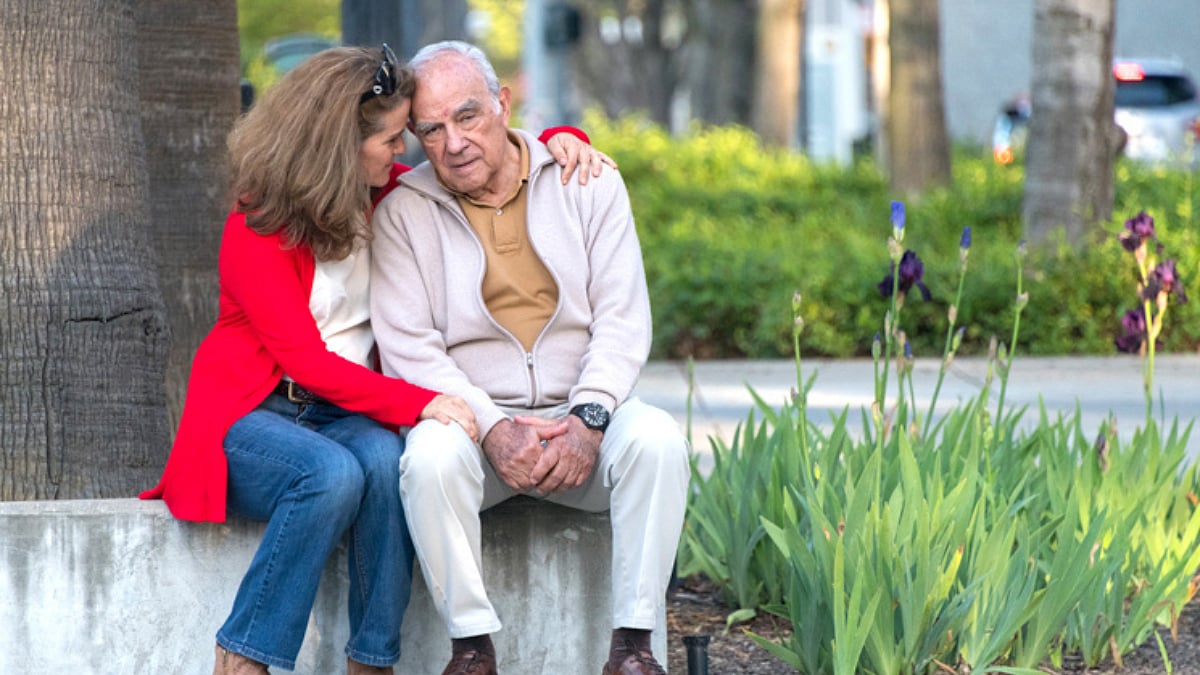
In today's fast-paced world, where advances in technology and changing familial structures have disrupted conventional societal dynamics, the well-being of older persons is frequently a pressing concern. In recent years, there has been a greater focus on mental and physical stress in the elderly.
Furthermore, the subject of elder abuse has surfaced as a sad reality. It is critical to recognise the importance of interactions between generations and to address the different forms of abuse that seniors face, including the often-overlooked issue of neglect. We can tackle the issues that our senior citizens encounter and create a more inclusive society by fostering intergenerational communities.
Understanding Mental and Physical Stress
As individuals age, they are more susceptible to experiencing mental and physical stress. Loneliness, social isolation, declining health, and limited mobility can significantly impact the well-being of senior citizens. The loss of loved ones, changes in living arrangements, and reduced involvement in social activities can lead to feelings of depression, anxiety, and overall decline in mental health. Additionally, physical ailments, chronic pain, and decreased independence can contribute to a decline in overall physical well-being.



The Epidemic of Abuse Against Senior Citizens
Abuse against senior citizens is an unfortunate and alarming reality in our society. It encompasses various forms such as physical, emotional, sexual, and financial abuse, as well as neglect. While physical and emotional abuse often receive more attention, neglect, including acts of omission, can be equally damaging. Neglect occurs when seniors are denied proper care, attention, and support, leading to physical and psychological harm.
The Impact of Neglect: Single Ignoring as Abuse
Neglect, or the act of ignoring seniors' needs, is a form of abuse that is often overlooked. Many seniors experience neglect when their family members or caregivers fail to provide adequate care, support, and companionship. Neglect can manifest in various ways, including not addressing medical needs, inadequate nutrition, lack of personal hygiene assistance, and insufficient social interaction. This type of abuse can lead to deteriorating physical health, mental distress, and a decline in overall quality of life for senior citizens.
Alternatively, Intergenerational housing is an innovative concept that aims to bring people of different ages together, fostering a sense of community and mutual support. While in the past, intergenerational living often occurred within extended families or close-knit communities, the modern approach involves unrelated individuals living independently while actively participating in each other's lives.
The Importance of Intergenerational Connections
Intergenerational connections play a vital role in alleviating mental and physical stress among senior citizens. These connections involve fostering relationships between people of different age groups, providing opportunities for mutual support, understanding, and learning. By bridging the generation gap, intergenerational communities can promote empathy, combat social isolation, and enhance the overall well-being of seniors.
Benefits of Intergenerational Communities
Emotional Support: Interactions with younger generations can combat feelings of loneliness and isolation, providing seniors with a renewed sense of purpose and belonging.
Enhanced Mental Stimulation: Engaging in conversations and activities with younger individuals helps keep seniors mentally active, preventing cognitive decline and promoting lifelong learning.
Sharing Wisdom and Experience: Seniors have a wealth of knowledge and experience to share with younger generations, fostering intergenerational learning and mutual growth.
Physical Well-being: Active engagement with younger individuals encourages seniors to maintain physical activity, leading to improved mobility, balance, and overall health.
Empathy and Respect: Intergenerational connections help break down stereotypes and foster understanding and respect between different age groups, creating a more inclusive society.
Creating an Integrational Community
To establish and promote intergenerational communities, various initiatives can be undertaken:
Intergenerational Programs: Implementing programs that facilitate interactions between different age groups in educational institutions, community centers, and residential care facilities.
Volunteer Opportunities: Encouraging seniors to participate in volunteer activities can provide them with opportunities to engage with younger individuals and contribute to the community.
Family Engagement: Encouraging families to involve their elderly members in regular family activities, celebrations, and decision-making processes.
Support Services: Establishing support services that provide guidance, counseling, and resources for seniors, caregivers, and families to address the challenges faced by senior citizens.
The mental and physical stress experienced by senior citizens is a critical issue in our society. Abuse against seniors, including neglect, has become increasingly prevalent. Recognizing the importance of intergenerational connections and addressing the challenges faced by seniors is crucial. By fostering intergenerational communities, we can combat mental and physical stress, promote empathy, and create a more inclusive society where senior citizens receive the care, respect, and support they deserve.
By Mr. Anand Naiknavare, Head Business Process, Naiknavare Developers