New Delhi: The Congress on Friday claimed that the government's excise cuts will not change prices for dealers and consumers, and that the relief exists only in the narrative, not in reality.
The government has slashed excise duty on petrol to Rs 3 per litre and exempted diesel fully from the duty.
The Congress said the government should focus on delivering actual relief to consumers, instead of "manufacturing headlines and fooling people."
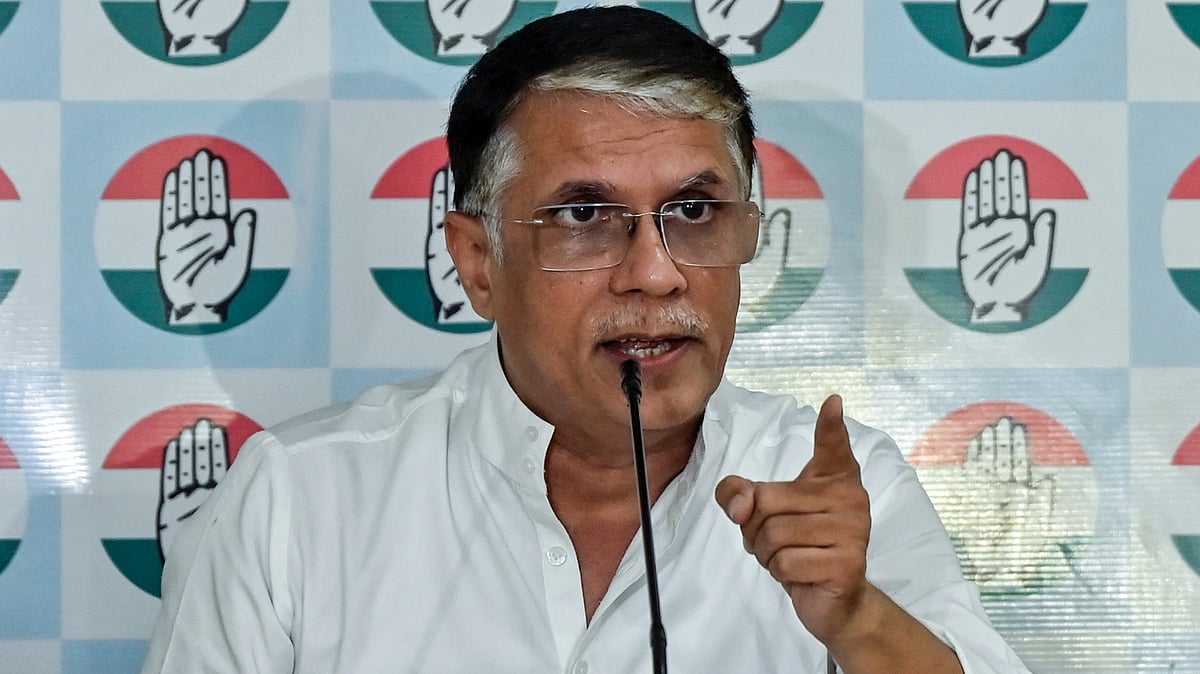
The party's media and publicity department head, Pawan Khera, said, "If you saw the headlines about petrol and diesel prices 'coming down' and thought the government had offered relief to your pocket, you'd be mistaken."
As of now, prices remain the same for dealers and for consumers, he claimed.
"What has actually been reduced is the 'special additional excise duty', a levy paid by Oil Marketing Companies to the government. The words 'special' and 'additional' reveal how unnecessary this tax is," Khera said on X.
He pointed out that these companies had been absorbing losses since the outbreak of the conflict in West Asia.
"The government has now merely agreed to share a small part of that burden but reducing the 'special additional' levy - that too almost a month later," the Congress leader said.
"Relief exists but only in the narrative -- not in reality. Instead of manufacturing headlines and fooling people, the government should focus on delivering actual relief to consumers," he said.
In another post, Khera pointed out the rise in fuel prices, irrespective of crude prices over the years.

"Modi's Masterstroke: Cheaper crude. Costlier fuel. In May 2014, crude oil was at $106.94 per barrel. Petrol cost Rs 71.71 per litre, and diesel Rs 56.71. Fast forward to just before the West Asia conflict — crude oil had fallen to around USD 70 per barrel. But petrol was selling at Rs 94.72 per litre, and diesel at Rs 87.62 in Delhi," he said.
India also bought crude oil from Russia at a discounted rate, but the benefit did not translate into relief for consumers, he said.
"It only made the Ambanis richer," Khera said.
He added, "Because between 2014 and 2026, the government revised the excise duty a total of 21 times, increasing it 12 times. So much for Achche Din!"
Global crude prices have risen by almost 50 per cent since the United States and Israel launched military strikes against Iran on February 28, triggering sweeping retaliation from Tehran.

In a notification issued on March 26, the Finance ministry cut excise duty to Rs 3 a litre, from Rs 13 a litre earlier, while the levy on diesel was slashed to nil from Rs 10 earlier.
The duty cuts are effective immediately, the ministry said.
Despite the spike in international prices, retail pump rates have not been changed, putting a strain on the finances of oil companies.
The government cuts stand to give some relief to oil companies.
Tracking the excise duty cut notification, shares of fuel retailers IOC, BPCL and HPCL opened higher on BSE.
International oil prices touched USD 119 per barrel earlier this month, before pulling back to around USD 100 per barrel.
India imports 88 per cent of its crude oil and roughly half of its natural gas. These mostly come via the Strait of Hormuz.
(Except for the headline, this article has not been edited by FPJ's editorial team and auto-generated from an agency feed.)
