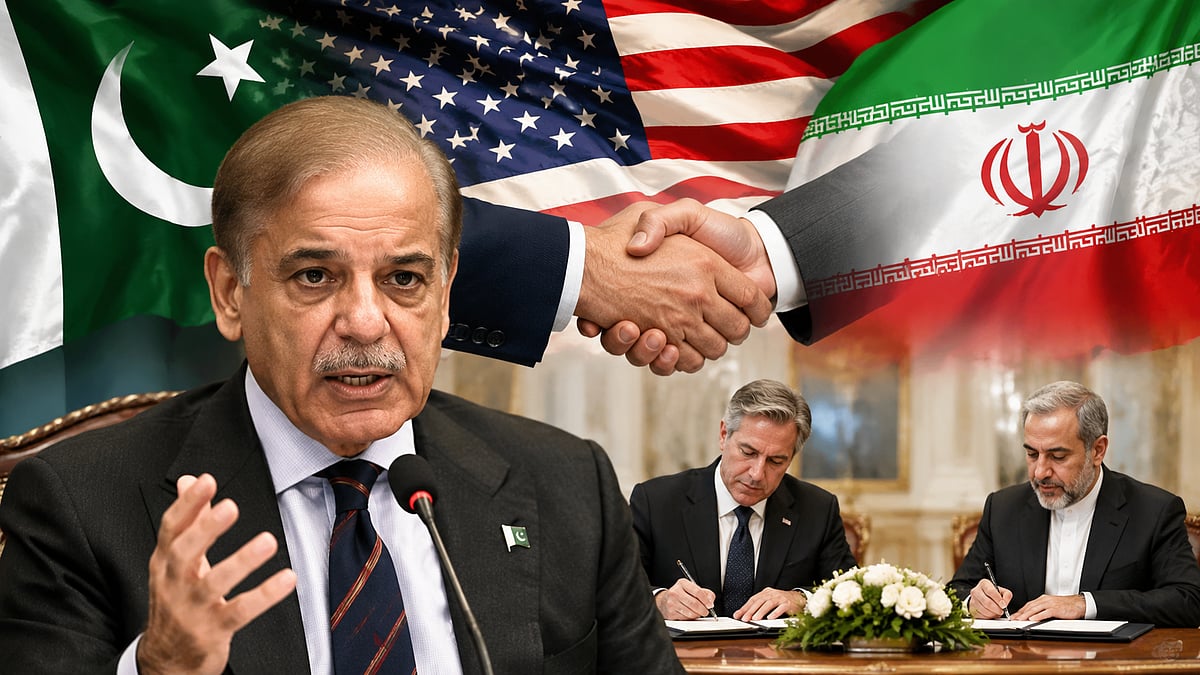
New Delhi: The Islamabad MoU is significant less because it settles the conflict than because it creates a structured pause after a very dangerous escalation. It is, at this stage, an armistice framework rather than a peace settlement.
Whether it holds will depend on verification, sequencing, and political will. The 60- day window for a final deal is short, and the gap between military de-escalation, sanctions relief, nuclear assurances, maritime security, and regional commitments is still very wide. That both sides have accepted a written framework, with reference to IAEA oversight and safe Hormuz passage, suggests neither Washington nor Tehran wants open-ended war.

The phrase on the “immediate and permanent termination of military operations on all fronts, including in Lebanon” is perhaps the most ambitious and vulnerable part of the MoU. In practical terms, it would require Iran to exercise real restraint over Hezbollah, while Israel would have to refrain from further military escalation in Lebanon.
That is easier to write than to implement. Israeli PM Benjamin Netanyahu’s domestic compulsions, his dependence on hardline coalition partners, and his own instinct to retain military freedom of action make this clause fragile. It could hold only if Washington is prepared to apply pressure on Israel as well, not merely on Iran.
Israel will see the agreement with deep suspicion. For Netanyahu, the danger is that the MoU restores Iran’s diplomatic legitimacy while leaving parts of its nuclear and regional infrastructure intact. He could still spoil or strain the process through military action, particularly if he argues that Israel’s security has not been adequately protected.
The Gulf states, by contrast, are likely to view the deal more pragmatically. They fear Iran, but they also fear regional war, disruption in Hormuz, oil shocks, and the economic consequences of prolonged instability. If the MoU holds, it could open space for a more inclusive Gulf security conversation, involving Iran, the GCC states, and external powers. That would not be a grand bargain, but it could mark the beginning of a more realistic security architecture based on coexistence, maritime stability, and restraint.
The key question is whether the deal can survive American politics. The president will face criticism from both hawks and pro-Israel constituencies. Congress will be difficult. A final agreement that includes sanctions relief, reconstruction funds, or recognition of Iran’s retained nuclear capabilities will face serious resistance. Much will depend on whether the administration presents the deal as a victory that ended a costly war, reopened Hormuz and placed Iran under tighter international scrutiny. If it is seen as concession or capitulation, it will be vulnerable.
The MoU is not peace, but it is a necessary interruption of war. Its success will depend on whether all sides treat it as a bridge to a wider settlement, rather than as a pause before the next round of conflict.
