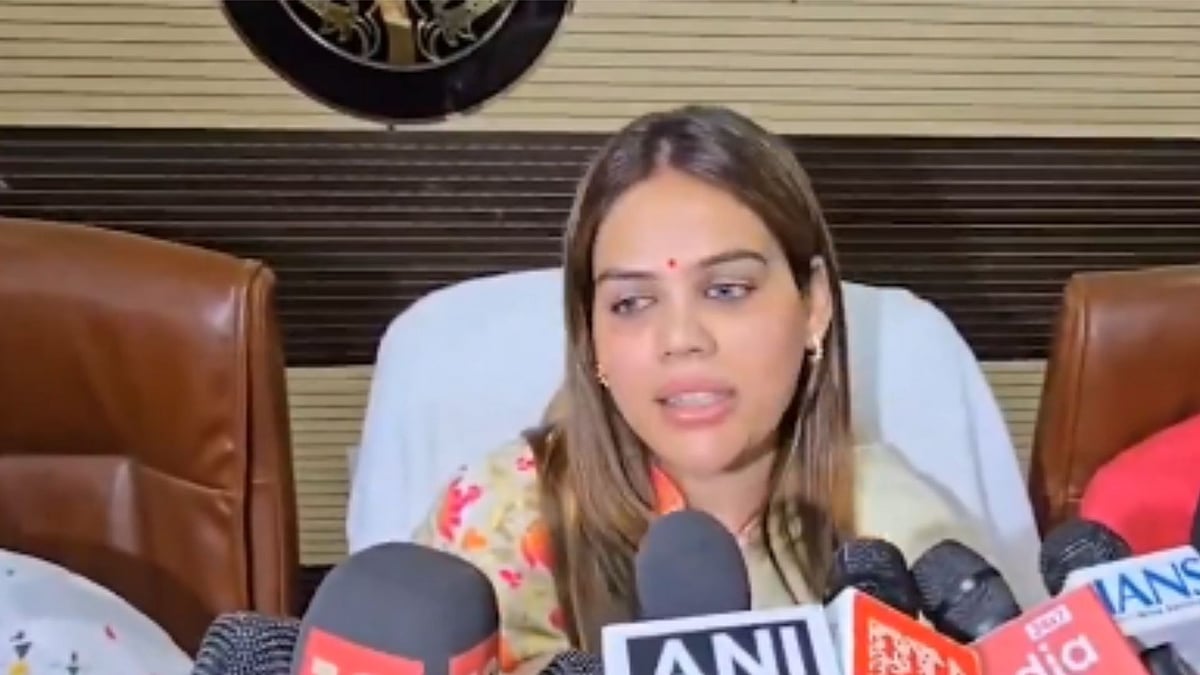
New Delhi: The Supreme Court on Wednesday (July 15) dismissed a writ petition seeking directions to prevent the circulation of objectionable remarks allegedly made by influencer Nazia Elahi Khan against Prophet Muhammad.
The apex court observed that the plea appeared to be an attempt to “politicise” the issue instead of pursuing remedies available under the law, according to a Hindustan Times report.
A bench comprising Justices PS Narasimha and Alok Aradhe questioned the maintainability of the petition under Article 32 of the Constitution, saying the petitioner ought to first invoke the remedies available under the criminal law and the Information Technology framework.
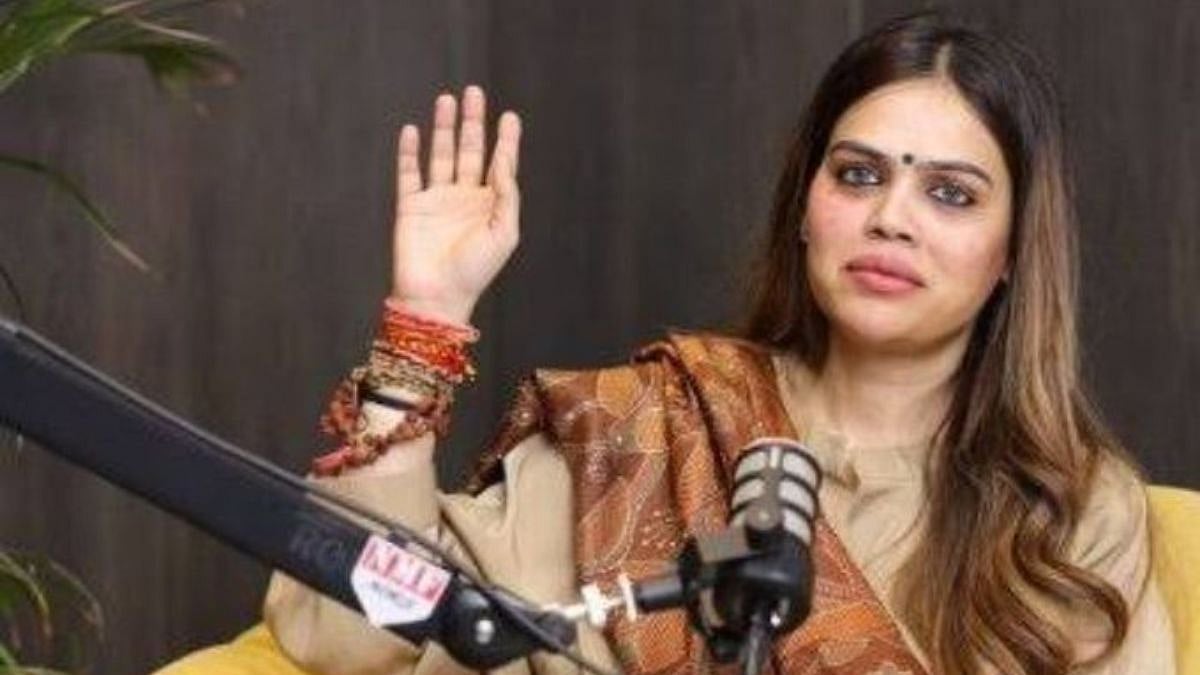
Reportedly, Khan made alleged derogatory remarks against Prophet Muhammad and his family during a podcast in June, clips of which went viral on social media. The incident was followed by multiple FIRs being registered against the influencer.
“Why have you filed the petition under Article 32? You take such actions as permissible in law. Why Article 32 petition? Obviously, it means something else...you want to politicise it,” remarked the bench, refusing to admit the petition filed by advocate Md Anas Chaudhary.
Existing legal remedies highlighted
The top court further pointed out that statutory mechanisms already exist to deal with such grievances.
“Are the rules not there? The 2009 Rules (Information Technology (Procedure and Safeguards for Blocking for Access of Information by Public) Rules, 2009)...why don’t you take recourse available? We understand this petition is intended to serve some other purpose,” the bench observed.
After the apex court indicated that it was not inclined to entertain the matter, the petitioner’s counsel sought permission to withdraw the plea. The court dismissed the petition as withdrawn.
Petition sought criminal action
The petition had sought directions for the registration of criminal proceedings against Khan for allegedly making blasphemous and inflammatory statements against Prophet Muhammad and for the removal of the impugned content from social media platforms, including YouTube, Facebook and X.
Khan has, however, maintained in some public statements that the viral videos were AI-generated and not authentic.

