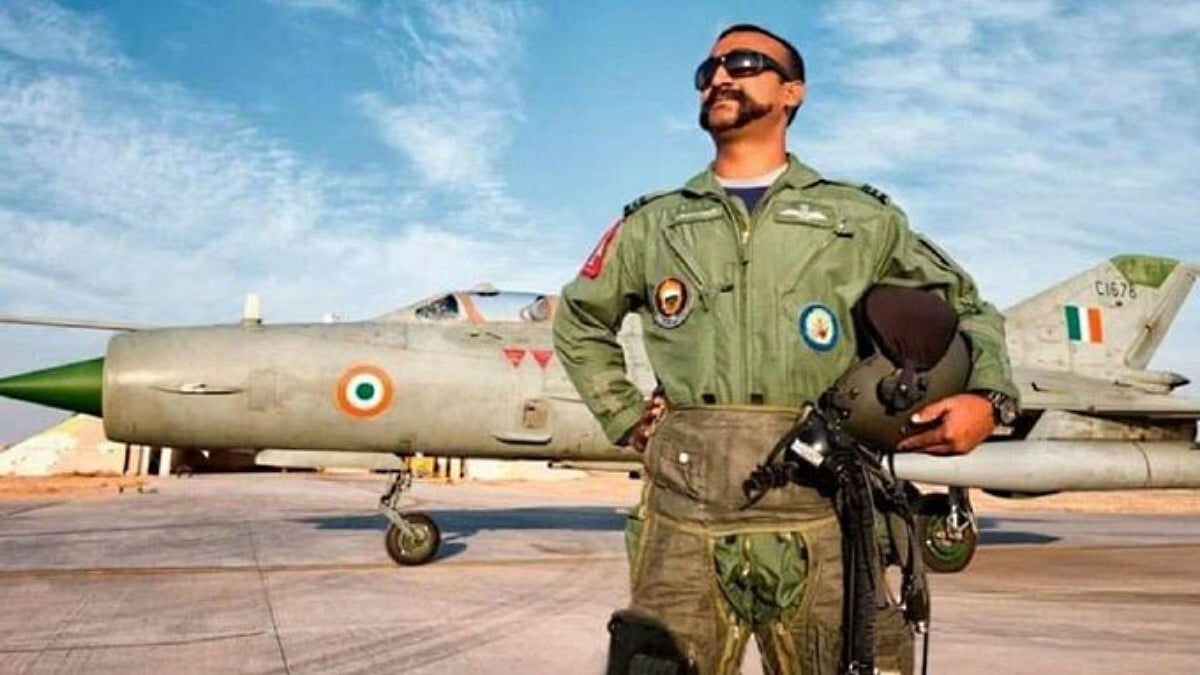
New Delhi: Long before he traded his fighter helmet for the calm cockpit of a regional commercial airliner, Group Captain Abhinandan Varthaman was the man who turned an ordinary morning into an absolute diplomatic nightmare for Islamabad.
As the decorated war hero steps into civilian aviation with Goa-based FLY91, a throwback to late February 2019 serves as a stark reminder of how a cornered Pakistan scrambled to release him, terrified of the catastrophic consequences of keeping him.
How Abhinandan Ended Up In Pakistan?
The crisis began on February 26, 2019, when IAF Mirage 2000 fighter jets carried out an airstrike on a Jaish-e-Mohammed terror facility in Balakot, days after the Pulwama terror attack. India said the operation targeted a terror training camp.
The following morning, Pakistani fighter aircraft attempted a retaliatory strike against Indian military targets, leading to an aerial engagement along the Line of Control.
Varthaman, then a Wing Commander, was flying a MiG-21 Bison when he engaged Pakistani aircraft. During the encounter, his MiG-21 was hit and he was forced to eject over Pakistan-occupied Kashmir. He was later captured by Pakistani forces.
His capture immediately became a major flashpoint between the two nuclear-armed neighbours. India demanded his safe and immediate return, while concerns grew that the confrontation could escalate into a wider military conflict.
Pakistan initially presented Varthaman’s release as a 'peace gesture'. However, accounts that emerged later suggested that Islamabad was under intense pressure amid fears of further Indian military action.
In October 2020, Pakistan Muslim League-Nawaz leader Ayaz Sadiq made explosive claims in the National Assembly about the circumstances surrounding Varthaman’s release. Sadiq alleged that then-Foreign Minister Shah Mahmood Qureshi had warned during a high-level meeting that India could attack Pakistan that night if the captured pilot was not released.
Sadiq also claimed that then-Army Chief General Qamar Javed Bajwa was visibly anxious during the meeting. These remarks became a major political controversy in Pakistan, although several details surrounding the crisis have been disputed and differently reported.
India's Alleged Military Preparedness To 'Bring Back' Abhinandan
Other accounts have pointed to the scale of India’s military preparedness during the standoff. According to an India Today report, India had positioned nine missiles targeting locations in Pakistan and was prepared for further military action if the situation escalated.
The Indian Navy also adopted an aggressive posture in the Arabian Sea during the crisis, deploying warships as part of its preparations and demonstrating its ability to exert pressure beyond the immediate air confrontation. The naval mobilisation added another dimension to the military pressure being exerted on Pakistan.
India also reportedly chose not to rely on international intermediaries to negotiate Varthaman’s release. Instead, New Delhi maintained that the captured pilot had to be returned safely and without conditions.
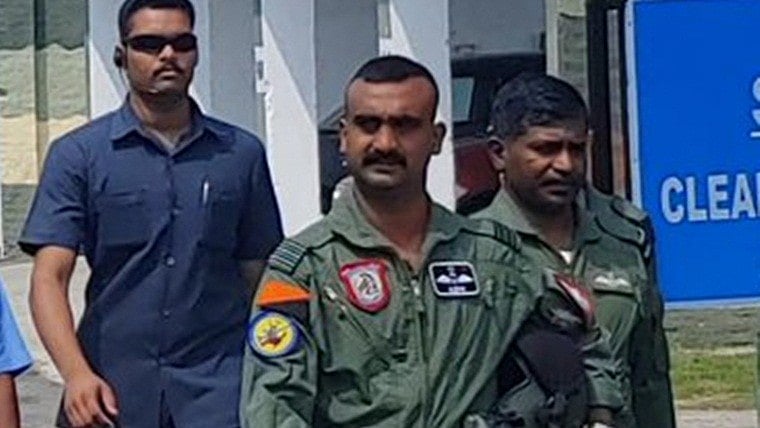
Amid the mounting tensions, Pakistan announced on February 28 that Varthaman would be released. He was returned to India through the Attari-Wagah border crossing on the night of March 1, 2019, after spending nearly three days in Pakistani custody.
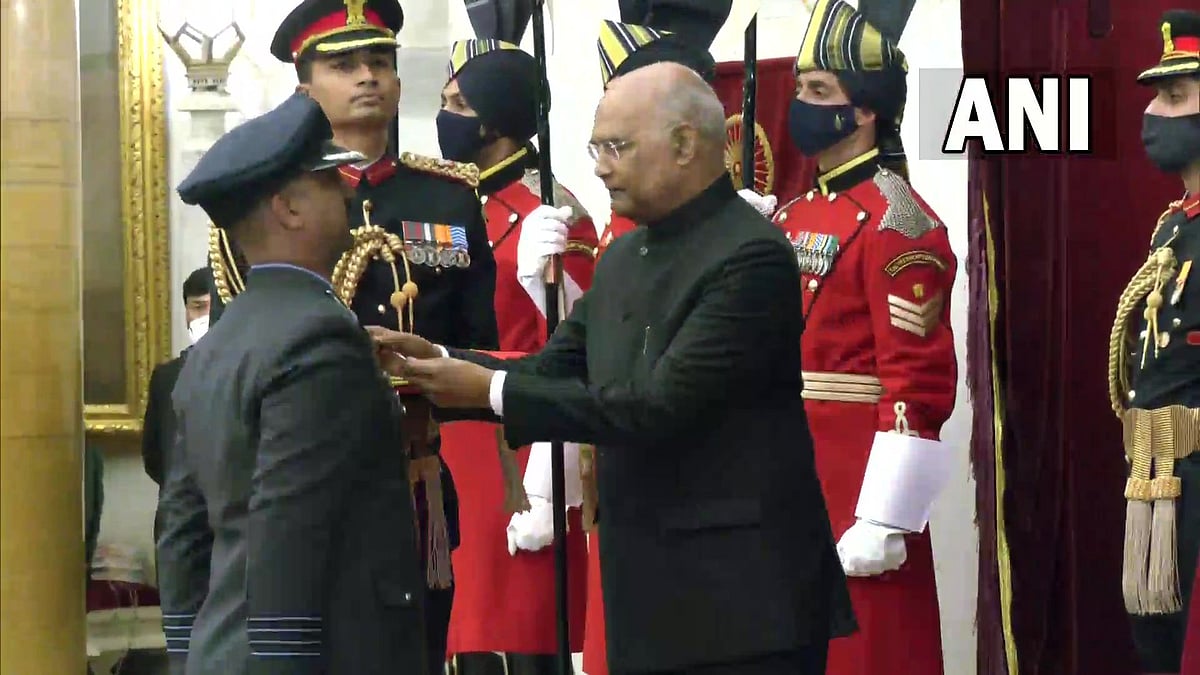
Images of Varthaman walking across the border with his trademark handlebar moustache and composed demeanour quickly became iconic. His return was widely celebrated in India and turned him into a national symbol of courage and resilience. Varthaman was later awarded the Vir Chakra, India’s third-highest wartime gallantry award, for his actions during the February 27 aerial engagement.
Years later, his career has taken a dramatically different direction. After taking premature retirement from the IAF, Varthaman has reportedly joined Goa-based regional airline FLY91 as a commercial pilot.
The move marks a striking transition from flying a MiG-21 fighter in a high-stakes aerial confrontation to operating commercial turboprop aircraft. Yet his name remains closely associated with the tense February-March 2019 confrontation, when the capture of one Indian pilot became the centre of a rapidly escalating military and diplomatic crisis between India and Pakistan.

