
Tamil-Malayalam actress Gouri Kishan, best known for playing the younger version of Trisha Krishnan’s character Jaanu in '96, opened up about facing gender discrimination in the film industry. Speaking about patriarchy, Gouri recalled being “brushed aside” as a woman in the industry when she spoke up.
Speaking at the India Today Roundtable Keralam, Gouri said, “Kerala is one of the most progressive states, but I don't think we can forget the patriarchy that's still evident. It doesn't change overnight.” She added that patriarchy is deeply ingrained in people’s conditioning and said she does not believe it is limited to the older generation.
Reflecting on misogyny in the film industry, Gouri said, “In my industry, I've seen it (misogyny) still exist.” She also highlighted the lack of women behind the camera and the limited agency women often have within the industry.
Recalling a recent experience of gender discrimination, Gouri said, “Very recently, I was in a similar situation. My co-actor came to me and asked if I noticed how everyone looked down on the floor when I spoke out.” She recalled responding, “Do you think I didn't see that?” Gouri added, “As women, we're used to just being brushed aside. But, I think we need to fight that.”
Gouri also acknowledged that she is “privileged” to have grown up in a city and received a good education. However, she said that despite these privileges, she has encountered men who still believe that “women don't have a brain.”
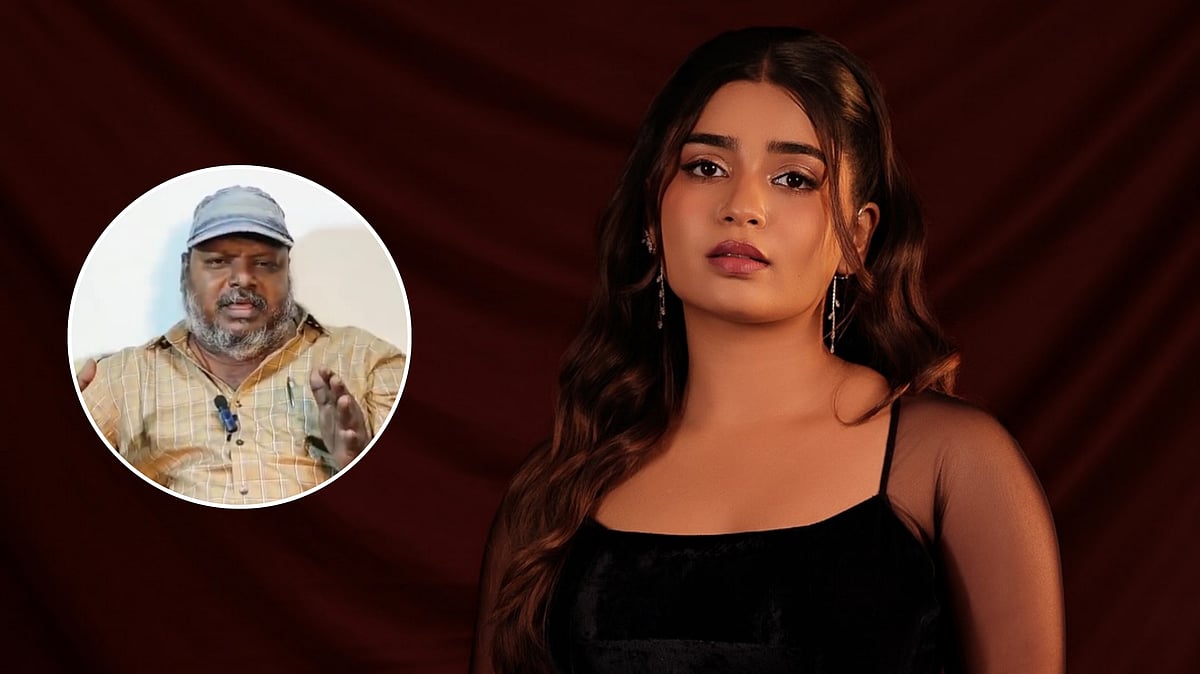
Sharing another experience from one of her recent films, Gouri recalled working alongside a woman behind the camera. She said the woman felt “relieved” to see another woman on the film set. However, Gouri claimed that some older male crew members later criticised the woman for being “too arrogant”, despite her “just doing her job.” Gouri said being a woman technician in the industry can be even more challenging, adding that the woman was fortunately supported by a "progressive 70-year-old man" who stood up for her.
Citing these experiences, Gouri stressed that the issue should not be viewed as a “man vs woman” debate. Instead, she said it is about having “access to equal opportunity and not letting my gender be a prerequisite to box me.”

