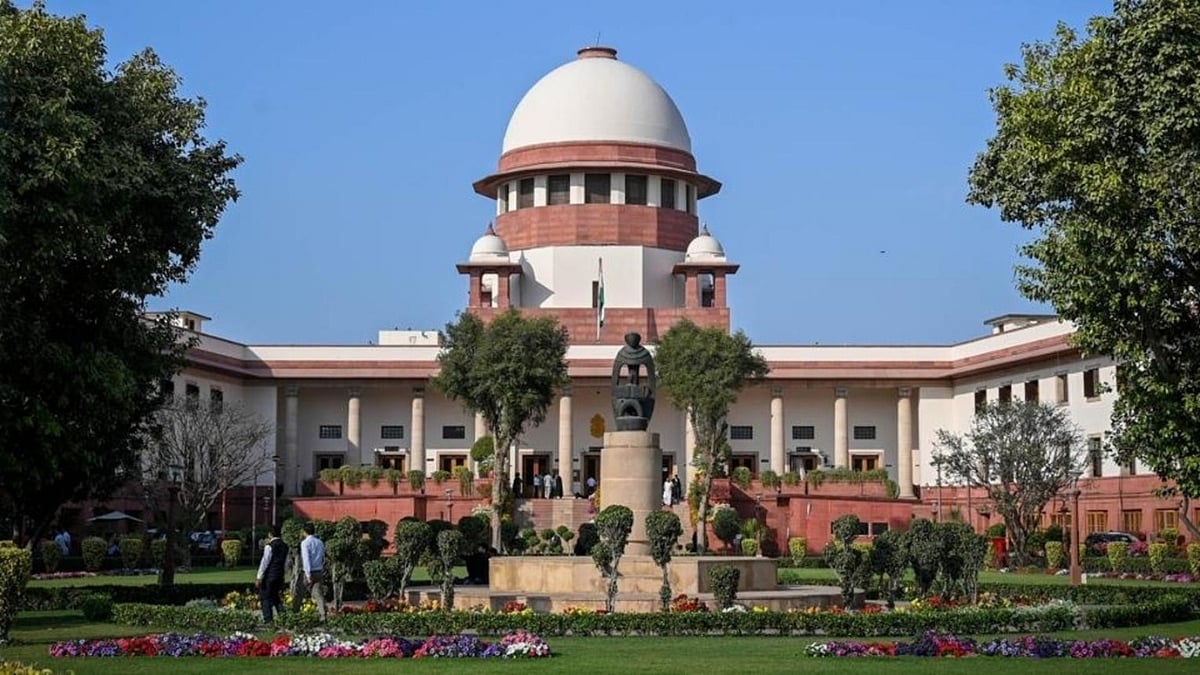
Mumbai: The Supreme Court has declined to interfere with the Bombay High Court's dismissal of a PIL challenging Mumbai University's decision to halve the sanctioned intake at several affiliated law colleges, putting the spotlight on faculty shortages and academic standards in legal education.
The university had decided to reduce intake by 50% in three-year and five-year LLB programmes at around 45 affiliated colleges for the 2026-27 academic year after identifying deficiencies, including inadequate faculty.
The Lawyers' Foundation challenged the decision, arguing that reducing seats would adversely affect law aspirants. In July, the Bombay High Court dismissed the PIL and imposed costs of Rs 1 lakh on the petitioner. The Supreme Court has now upheld the dismissal by refusing to intervene.
The decision comes during an admission season in which law colleges have faced issues related to faculty requirements, affiliation and Bar Council of India approvals.
A principal of a Mumbai University-affiliated law college, requesting anonymity, said institutions were struggling to recruit eligible full-time teachers. "There is a genuine shortage of qualified faculty, and appointments cannot always be completed immediately. Reducing seats ultimately affects students. Colleges should instead be given a strict deadline to fill vacancies," the principal said.
Meanwhile, in separate petitions filed by affected colleges, the Bombay High Court subsequently provided institutions an opportunity to retain their sanctioned intake if they completed appointments of qualified principals and assistant professors within the prescribed schedule.
A law aspirant from Mumbai said the uncertainty surrounding seats and approvals had complicated the admission process. When the number of available seats keeps changing during CAP rounds, students find it difficult to decide which colleges to prioritise," said Anisha Shah, a law aspirant.
With the Supreme Court refusing to intervene, the focus will now shift to whether the affected colleges fulfil the staffing requirements and retain their sanctioned intake for the current academic year.

