Mumbai: Many people believe that reopening the Strait of Hormuz will immediately ease the global oil crisis. However, this is not entirely true. Even if the route opens fully, it will take weeks for oil and gas to reach global buyers due to shipping delays.
Why Supply Takes Time to Recover
The global energy supply chain does not restart instantly. Oil tankers stuck in the Gulf must first move out, while empty ships need to return and reload cargo. Only after this can normal exports resume. This delay is unavoidable and slows down the impact on supply and prices.

Why Companies Are Still Cautious?
Reopening the Strait alone is not enough to restore confidence. Shipping and insurance companies are still assessing risks due to mixed signals from countries like Iran and United States.
Energy companies are also being careful. Restarting oil and gas production is expensive and complex. Companies will only resume operations when they are confident that the situation is stable.
Why Prices May Remain High?
Markets react quickly to positive news, but real supply changes take time. Oil futures prices may fall fast, but actual physical oil prices can stay high for longer because supply is still limited. This gap between expectations and reality is important.
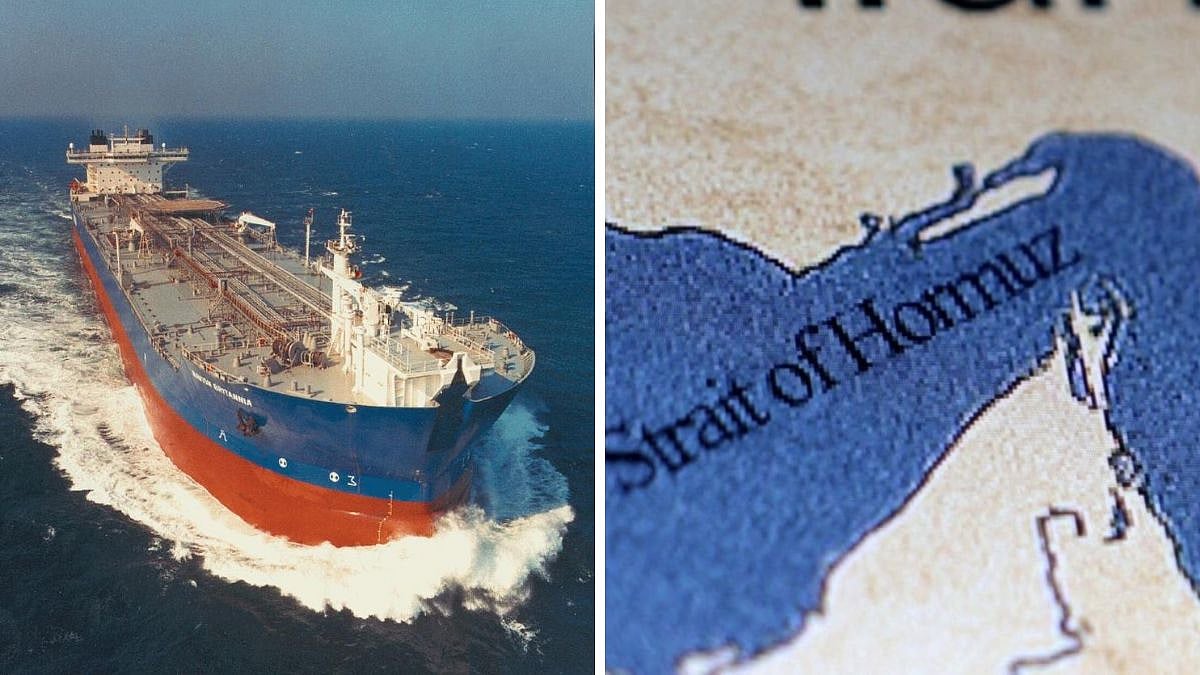
Structural Damage to the System
The disruption has caused deeper damage to the global energy system. A large portion of oil production has been halted, and several energy facilities in the region have been seriously damaged.
Experts believe it may take months, or even up to two years, for production to fully recover. This means the impact of the crisis will continue even after the Strait reopens.
Strait of Hormuz Is Only One Part
The Strait of Hormuz plays a key role in global energy supply, but it is only one part of a much larger system. Reopening it can restart flow, but it does not fix supply chains, production, or market confidence immediately.
What Lies Ahead?
The real issue is not just whether the Strait reopens, but whether companies trust that stability will continue. Until confidence returns, shipping, production, and prices will remain uncertain. Visible improvements may come quickly, but the deeper impact will take much longer to fade.
