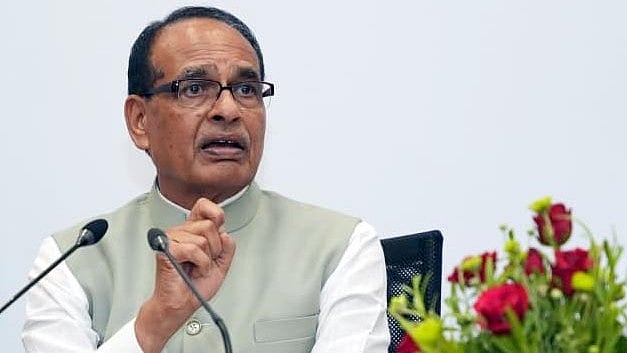
The government has identified 111 districts as the most vulnerable to crop damage as an El Niño-driven monsoon deficit of around 43 per cent threatens kharif sowing, agriculture minister Shivraj Singh Chouhan said on Tuesday.
He noted that weak rainfall conditions are expected to persist until at least July 2, leaving a narrow window for farmers to complete sowing activities.
Chouhan said that as of June 22, kharif sowing had covered less than 10 per cent of the total sown area.
While this is only slightly different from last year’s figures of around 11.99 million hectares compared to 11.79 million hectares, the sowing trend remains uneven, with most crops progressing but soybean lagging behind.
He warned that the prevailing rainfall deficit could significantly impact crop output if conditions do not improve soon.
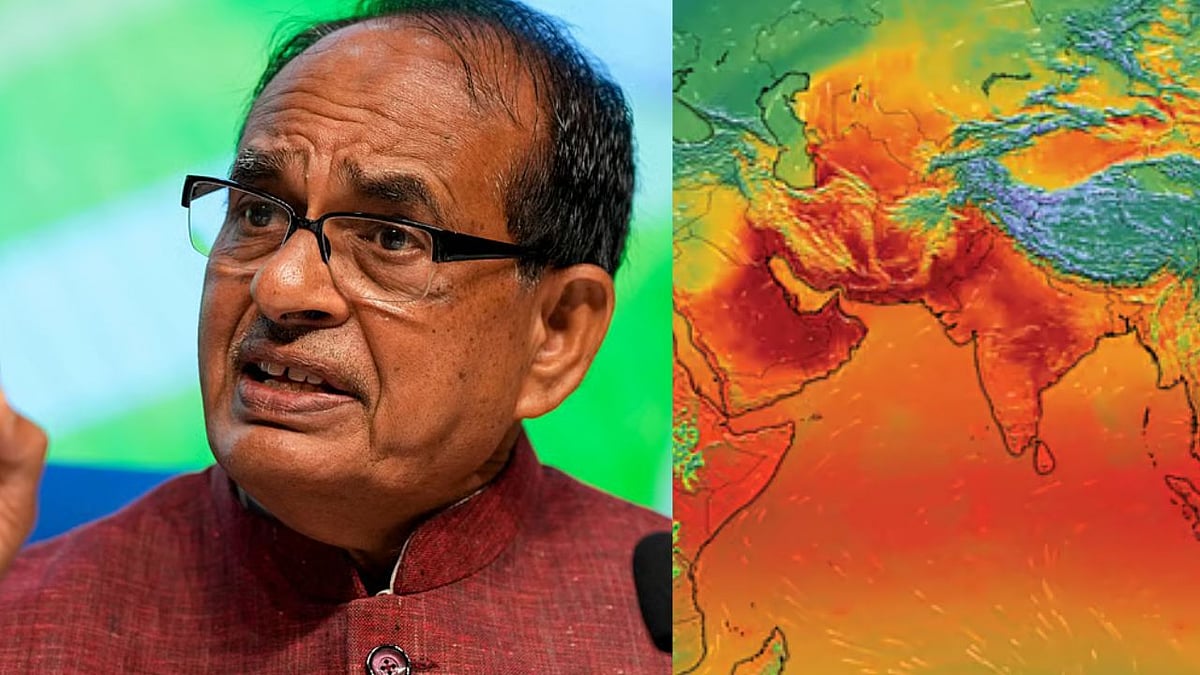
According to the ministry, a total of 315 districts across states including Madhya Pradesh, Maharashtra, Tamil Nadu, Gujarat, Uttar Pradesh, Rajasthan, Karnataka, Bihar, Jharkhand, Telangana, Andhra Pradesh, and Odisha are likely to receive below-normal rainfall.
Among these, 111 districts—20 of them in Maharashtra—have been categorised as “most vulnerable” due to irrigation coverage of less than 25 per cent. Another 76 districts fall under the medium vulnerability category, while 128 districts with stronger irrigation systems are considered least vulnerable.
To mitigate risks, the government has prepared state-wise contingency plans encouraging farmers to shift towards pulses, oilseeds, and coarse cereals that require less water.
Officials have also been advised to promote short-duration and climate-resilient crop varieties to reduce dependency on water-intensive farming.
The minister stressed that fields should not remain fallow despite rainfall gaps and assured that seed and fertiliser availability is sufficient.
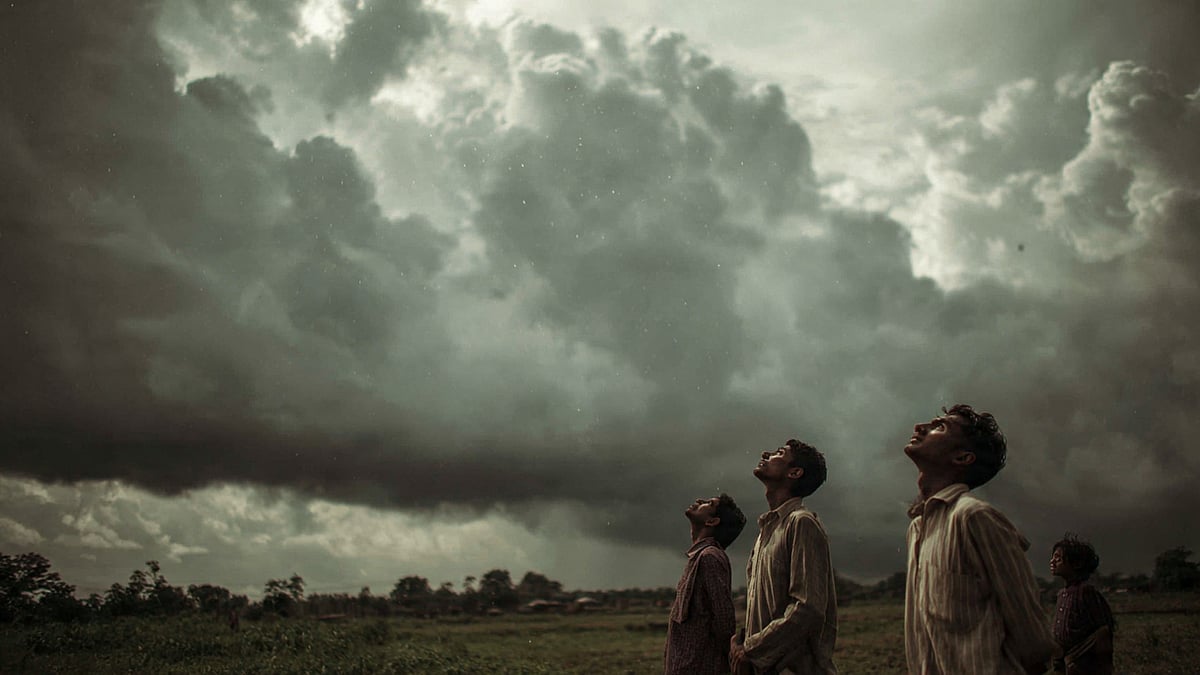
While reservoir levels are currently better than last year, they are gradually declining, prompting states to use water resources judiciously.
Authorities have also been directed to clean ponds, streams, and farm water structures under the VB-GRAM G programme to ensure water availability during shortages.
The ministry has also emphasised expanding enrolment in crop insurance schemes and Kisan Credit Cards in affected regions.
Outreach through 731 Krishi Vigyan Kendras will be strengthened, with advisories being shared via SMS, WhatsApp, and call centres.
Chouhan said production estimates assume normal conditions but added, “We will ensure production does not fall,” while a dedicated El Niño monitoring system has been activated for real-time tracking and response.

