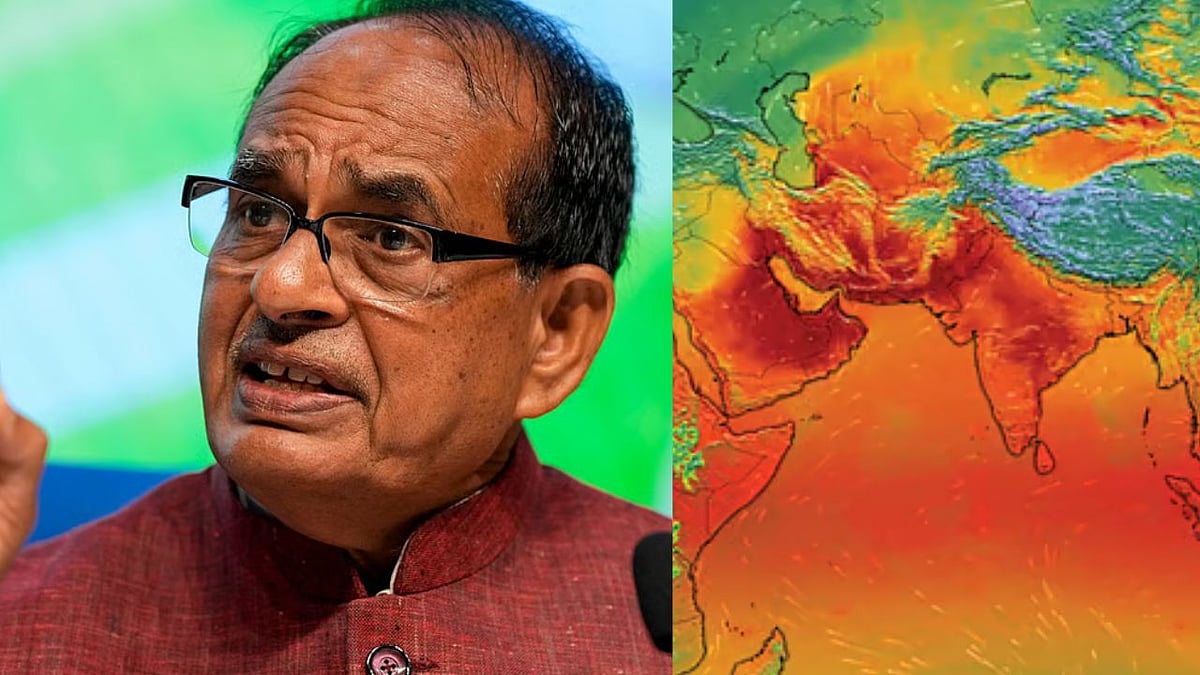
With forecasts indicating that El Niño could significantly affect rainfall patterns during the Kharif 2026 season, Agriculture Minister Shivraj Singh Chouhan has directed states to intensify preparedness measures and formulate district-specific contingency plans to protect farmers from potential weather-related disruptions.
Chairing a high-level review meeting on Kharif preparations, Chouhan stressed the need for proactive planning in 9-10 states expected to face relatively severe El Niño impacts.
District-Wise Contingency Plans to Be Prepared
The minister instructed state governments to identify vulnerable districts and develop crop-specific contingency strategies well in advance. The objective is to ensure that farmers receive timely guidance, alternative cropping options, and necessary support if rainfall deficiencies affect sowing operations.
According to Chouhan, each vulnerable district should have a tailored strategy focusing on water conservation, moisture management, intercropping practices, and alternative crop patterns suited to local conditions.
Focus on Scientific Farming Practices
Emphasising resilience and productivity, Chouhan called for wider adoption of scientific agricultural techniques across states. He encouraged the use of improved crop varieties, mulching, intercropping systems, and moisture-retention methods to help farmers maintain yields despite climatic uncertainties.
The minister also urged authorities to communicate scientifically backed information to farmers, avoiding panic-inducing messages and instead providing practical, solution-oriented advice.
Push to Expand Cotton and Pulses Cultivation
Boosting domestic production of key crops emerged as a major focus during the review meeting. Chouhan called for increased acreage under cotton cultivation while simultaneously accelerating efforts under the Pulses Self-Sufficiency Mission.
The government is working with states to expand cultivation of pigeon pea, black gram, and green gram through improved seed availability, crop rotation practices, technical guidance, and area expansion initiatives. The move is aimed at reducing India's dependence on pulse imports and strengthening food security.
Fertiliser Supply and Water Availability Reviewed
Officials also reviewed fertiliser stocks, market prices, reservoir levels, and water storage conditions across states.
Chouhan assured that fertiliser availability remains adequate nationwide and directed officials to streamline supplies to states and districts as monsoon activities progress. He also instructed authorities to ensure advance stocking in regions that could face localised shortages during the season.
Stronger Coordination Among Agricultural Institutions
Highlighting the importance of last-mile delivery of agricultural knowledge, the minister called for closer coordination between agricultural universities, ICAR institutions, Krishi Vigyan Kendras (KVKs), and state agriculture departments.
He stressed that research and technical expertise are valuable only when they reach farmers on time and urged continuous field-level feedback, regular reviews, and active engagement with farming communities throughout the Kharif season.
Govt Aims for Resilient Kharif 2026
As weather uncertainties continue to dominate agricultural planning, the Centre is focusing on preparedness, scientific interventions, and institutional coordination to minimise risks and safeguard farm incomes. The emphasis on district-level planning reflects the government's strategy of responding to climate challenges with targeted, localised solutions rather than broad, one-size-fits-all measures.

