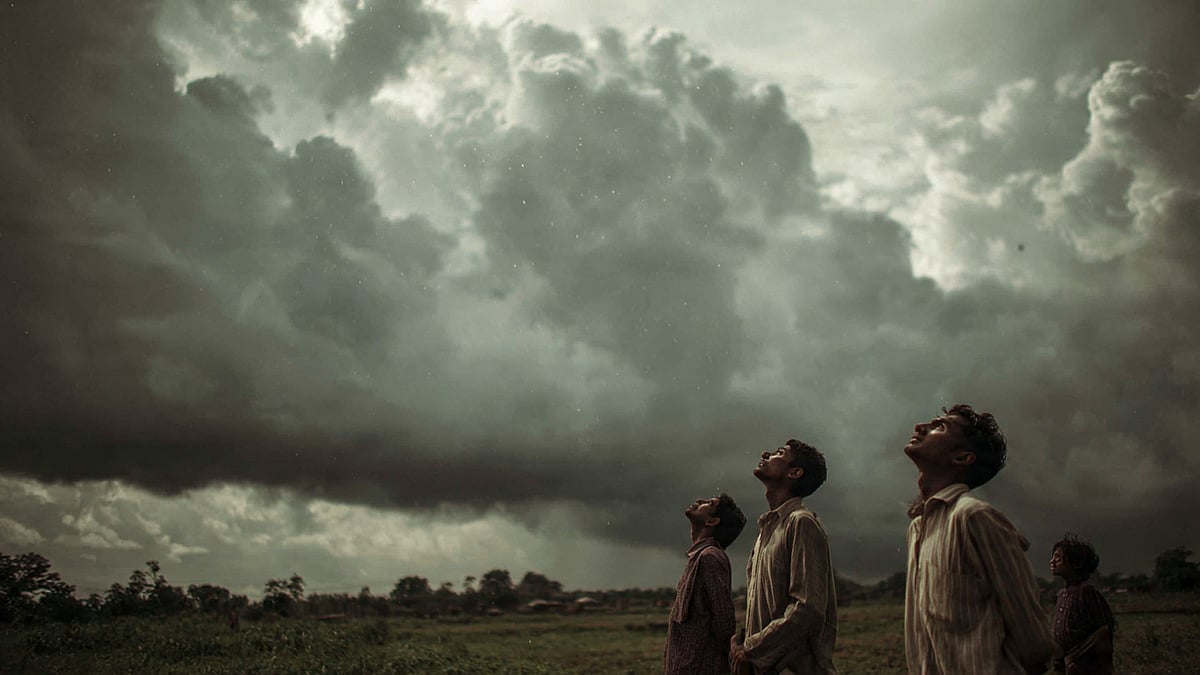
The agriculture and farmer welfare ministry, in coordination with state governments, is preparing contingency strategies for districts expected to receive low rainfall during the upcoming kharif season.
The move comes amid concerns that El Niño conditions and a below-normal monsoon could affect agricultural output across key regions.
According to a report by Moneycontrol, the ministry is focusing on measures such as water conservation, inter-cropping, and shifting to alternative crop patterns to reduce risks for farmers during the June–October kharif cycle.
According to the report, internal meetings are being held on a weekly basis to continuously assess the potential impact of the anticipated weak monsoon on crop production.

El Niño refers to the abnormal warming of surface waters in the central and eastern tropical Pacific Ocean, which disrupts global weather patterns and is often linked with deficient monsoon rainfall in India.
Agriculture Minister Shivraj Singh Chouhan has directed officials to hold regular coordination meetings with district magistrates, agriculture departments, Krishi Vigyan Kendras (KVKs), and other extension agencies in nearly nine to ten states expected to be highly affected.
The India Meteorological Department (IMD) has already forecast below-normal rainfall for the June–September period, raising concerns that India may experience its weakest monsoon in three years.
Officials warned that reduced rainfall could lower reservoir levels, which in turn may affect irrigation availability, rabi crop sowing, hydropower generation, and drinking water supply.

As of June 11, reservoir storage stood at 28% of total capacity, with 166 monitored reservoirs holding 51.92 billion cubic metres of water against a total capacity of 183.56 billion cubic metres.
Although this is 15.8% above the normal level, it remains significantly lower than the 30% level recorded last year.
Rainfall data also indicates a sharp deficit, with India receiving 46.2 mm rainfall in the first 17 days of June against a normal of 74.3 mm, a shortfall of 38%.
Several states, including Maharashtra, Goa, and Gujarat, have recorded significant deficits and delayed monsoon progress, raising concerns over agricultural productivity and sowing operations.
Experts emphasised that improved irrigation systems may help mitigate crop losses compared to past severe El Niño years.

