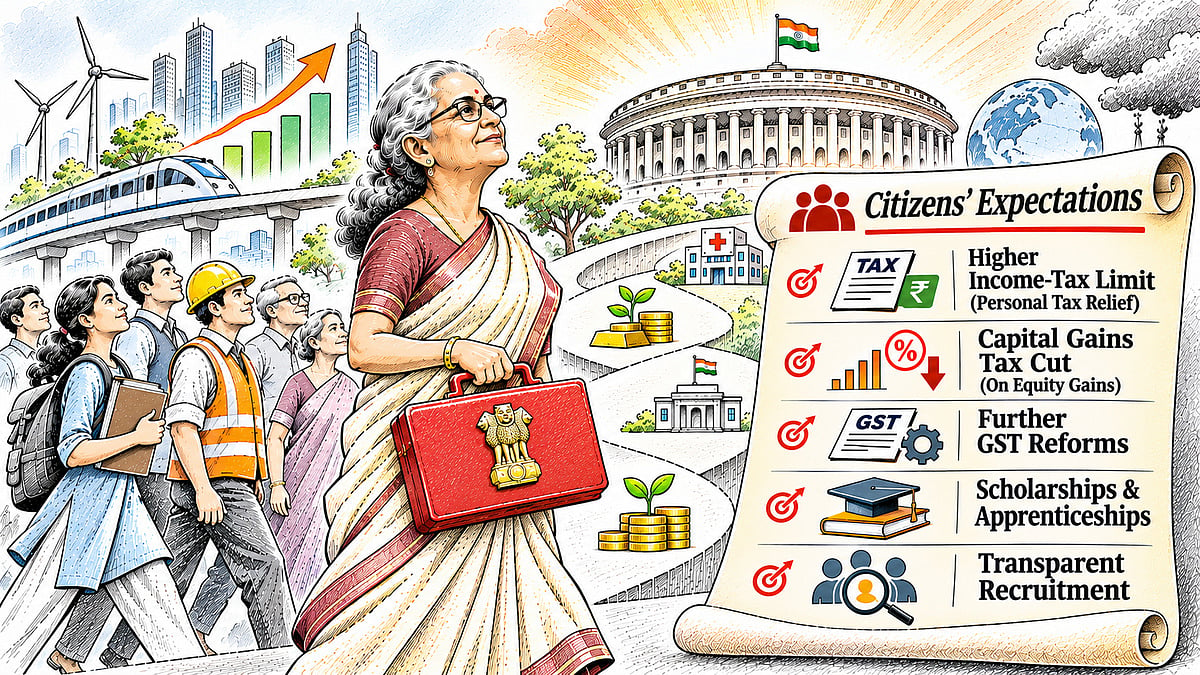
Mumbai: An examination rank is not an appointment letter. Across states, qualified women pass public-service tests, enter merit lists and wait while vacancies remain unfilled. Some protest; others abandon careers. At home, families ration choices, while professionals past 60 discover that experience need not guarantee security. Seventy days before the Union Budget on 1 February 2027, India faces a question larger than its growth rate: who gets to share the gains?
STRENGTHS SHINE
India's foundations include democratic institutions, a vast market, entrepreneurs, digital infrastructure, services and expanding transport networks. Real GDP grew 7.8% in April–June; the RBI forecasts 7.1% for 2026–27. October core-industry output rose 10.9%, and GST collections reached ₹2.31 lakh crore. Services exports and $705.34 billion in foreign-exchange reserves provide buffers against global turbulence. Public-sector banks and efficient state enterprises can help turn investment into jobs, not merely impressive announcements.
WEAKNESSES BITE
Yet a rising GDP does not automatically fill a shopping basket. October consumer inflation reached 6.09%, including 8.94% for food; the repo rate stands at 5.50%. An unemployment rate of 4.9% misses underemployment and insecure wages. Bank credit outpacing deposit growth puts pressure on funding.
The Centre's 2026–27 Budget estimates ₹53.47 lakh crore in expenditure and ₹36.52 lakh crore in non-debt receipts. Gross taxes of ₹44.04 lakh crore must partly be shared with states. The ₹16.96 lakh crore gap is the fiscal deficit, financed principally through borrowing. Of planned expenditure, ₹12.22 lakh crore is capital investment; ₹14.04 lakh crore is interest on debt. By September, receipts totalled ₹18.35 lakh crore, spending ₹25.50 lakh crore and the deficit ₹7.14 lakh crore. The annual deficit target is 4.3% of GDP. Borrowing for enduring assets differs from borrowing to perpetuate waste.
OPPORTUNITIES BECKON
Will the ₹12 lakh income-tax rebate threshold rise? Could listed-equity capital-gains taxes—20% for qualifying short-term gains and 12.5% for long-term gains above ₹1.25 lakh—be eased without undermining revenue? Further GST reform requires Council decisions, not budgetary rhetoric. Students need scholarships and apprenticeships. Recruitment agencies owe applicants transparent exams, prompt appointments and selection lists that do not become monuments to delay.
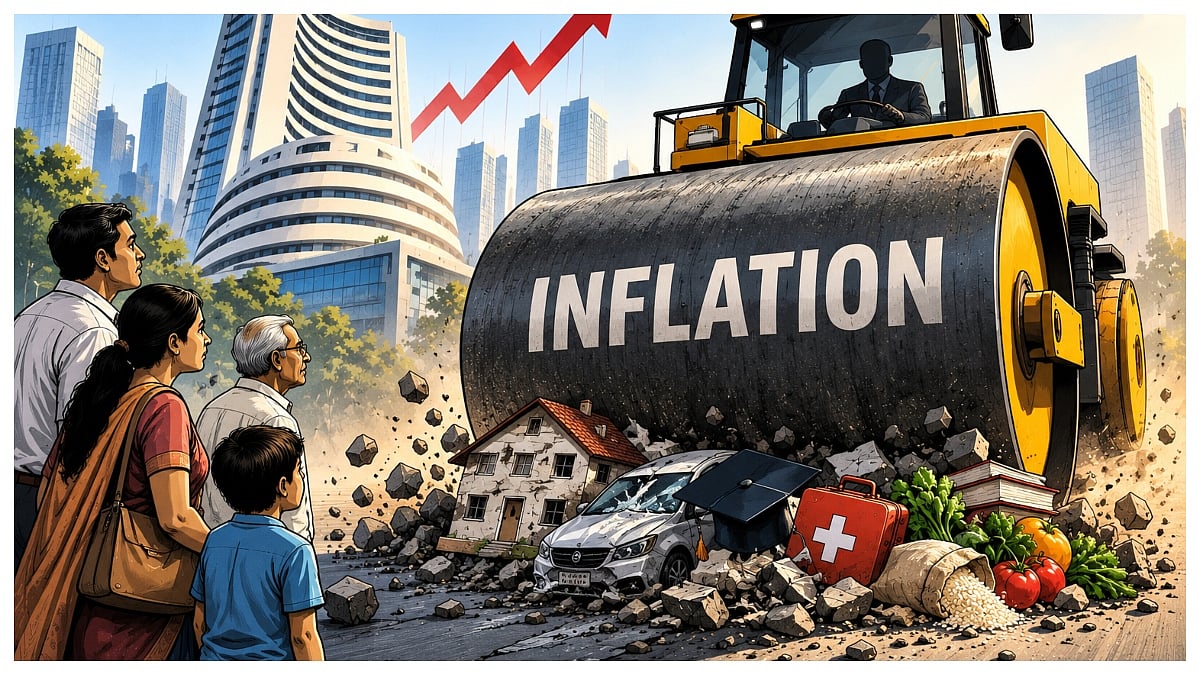
Women seeking work after 55 deserve retraining; professionals past 60 need fair contracts, healthcare and clarity about provident fund, gratuity and bonuses. Calling employees “consultants” cannot lawfully erase applicable rights; genuinely independent contractors face different rules.
Because states administer much of education, healthcare and recruitment, federal transfers must be predictable, outcomes independently evaluated and responsibility clearly assigned.
Sovereign Gold Bonds embody both reward and risk. A 2018 tranche issued at ₹3,183 per gram redeemed this November at ₹14,024, excluding interest. But Friday's crash cut Delhi gold by ₹5,200 per 10 grams and silver by ₹4,000 per kilogram. Previous holders crystallised gains; today's buyers confront volatility, while the sovereign bears the bond's repayment obligation.
THREATS GATHER
October's $39.88 billion merchandise deficit reflects import dependence. Oil shocks, tariffs, geopolitical conflict and dollar strength can unsettle inflation and the rupee. Copper's decline may reduce costs while signalling weaker industrial appetite.
India needs no complacency. Its Budget must make prosperity broader, borrowing wiser and democratic accountability harder to evade.

