
Mumbai: The moment Long Term Capital Gains tax, or LTCG, is mentioned, the stock market turns nervous. Investors, traders, and fund managers know this tax can change the real profit they make from shares. That is why every Budget brings fear and hope around this one word.
Is India Really That Expensive for Investors?
Many people feel India’s LTCG tax is very high. But when we compare it with the rest of the world, the picture looks different. India is not the toughest country when it comes to taxing long-term stock market gains.

Countries Where LTCG Is Zero
In countries like the UAE and Switzerland, investors pay no long-term capital gains tax on shares. This makes them global investment hubs, as investors can plan long-term without worrying about taxes.
Low-Tax and Mid-Tax Countries
Bulgaria charges only 10 percent LTCG tax, even lower than India. India’s rate stands at 12.5 percent. This puts India in the middle zone—not too cheap, not too costly-for long-term investors.
Developed Markets Charge Much More
In the US, LTCG tax goes up to 20 percent. Japan charges around 20.3 percent. The UK taxes gains up to 24 percent, while Germany’s rate is about 26.4 percent. These are far higher than India’s rate.

The Highest Taxing Nations
Some European countries are even stricter. France charges up to 34 percent LTCG tax. Norway tops the list with nearly 38 percent. In these countries, a large part of stock market profit goes directly to the government.
What Global Comparison Tells Us?
This global comparison shows that India’s LTCG tax is balanced. The government earns revenue, but investors are not overburdened. That is why India remains attractive despite frequent tax fears.
Budget 2018: When LTCG Returned
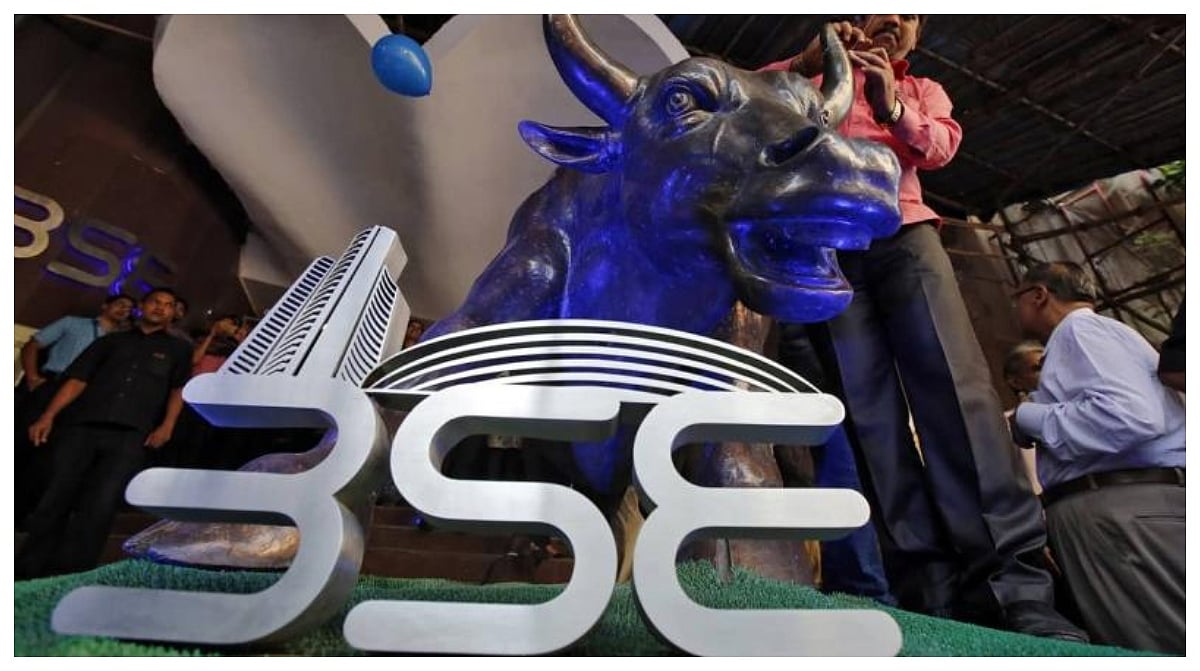
In February 2018, the government brought back LTCG tax on equities after years. Profits above Rs 1 lakh were taxed at 10 percent. The market reacted sharply, with Sensex falling hundreds of points during the Budget speech itself.
Budget 2024: Another Shock
In July 2024, LTCG was raised from 10 percent to 12.5 percent, and short-term capital gains tax also went up. The market fell sharply during the day, reminding investors of the 2018 shock, though some recovery came later.
Why Pre-Budget Rumours Matter?
Even rumours about LTCG changes create fear, uncertainty, and doubt. Before Budget 2025, such talks returned, but no changes were announced. The market took this as relief and avoided a tax-led fall.

