Tata Motors is aiming to achieve annual commercial vehicle sales of more than one million units in the coming years as it prepares to integrate Italy-based Iveco Group, chairman N Chandrasekaran said on Monday.
The acquisition is expected to significantly expand the company’s global scale and capabilities.
Once the integration is completed, the combined business is projected to start with annual volumes of around 600,000 vehicles, positioning Tata Motors among the world’s top four commercial vehicle manufacturers.
Chandrasekaran said this scale would further expand to over one million units over time.
Speaking at the company’s second annual general meeting after the demerger and listing of its commercial vehicle business, he said the Iveco acquisition would accelerate Tata Motors’ global ambitions.
The deal is currently awaiting final regulatory approvals and is expected to close by the second quarter of the financial year.
Chandrasekaran highlighted that the acquisition will provide access to advanced powertrain technologies, strengthen product development capabilities, and broaden the company’s global manufacturing footprint.
He added that the integration would help Tata Motors “optimise, scale and grow” into one of the top four global commercial vehicle players.
The commercial vehicle division delivered its strongest financial performance since becoming an independent listed entity after the demerger in November 2025.
In FY26, Tata Motors retained its leadership in India’s commercial vehicle market, selling over 435,000 units, a 13% year-on-year increase.
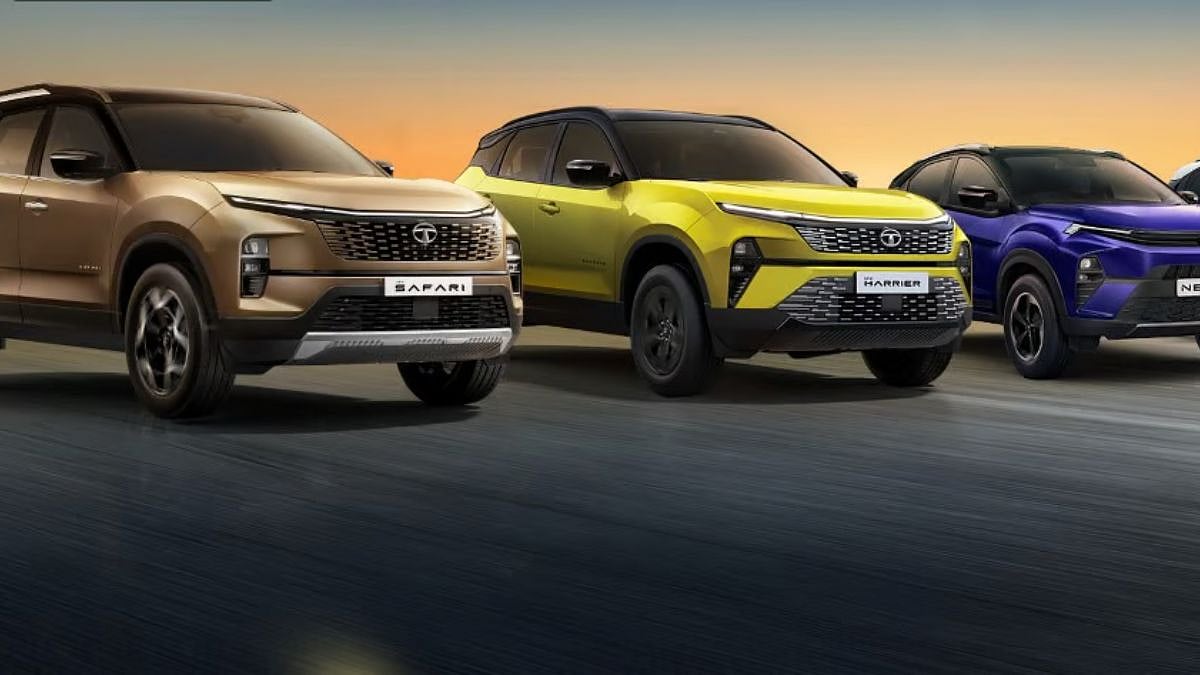
Revenue rose 9.8% to a record ₹83,855 crore, while EBITDA margin improved to 12.3%.
The return on capital employed stood at 72.3%, which the chairman noted is among the highest globally in the commercial vehicle industry. The board has also recommended a final dividend of ₹4 per share.
The company is actively diversifying away from cyclical truck demand by expanding higher-margin businesses such as spares and services, which grew 18.2% during the year.
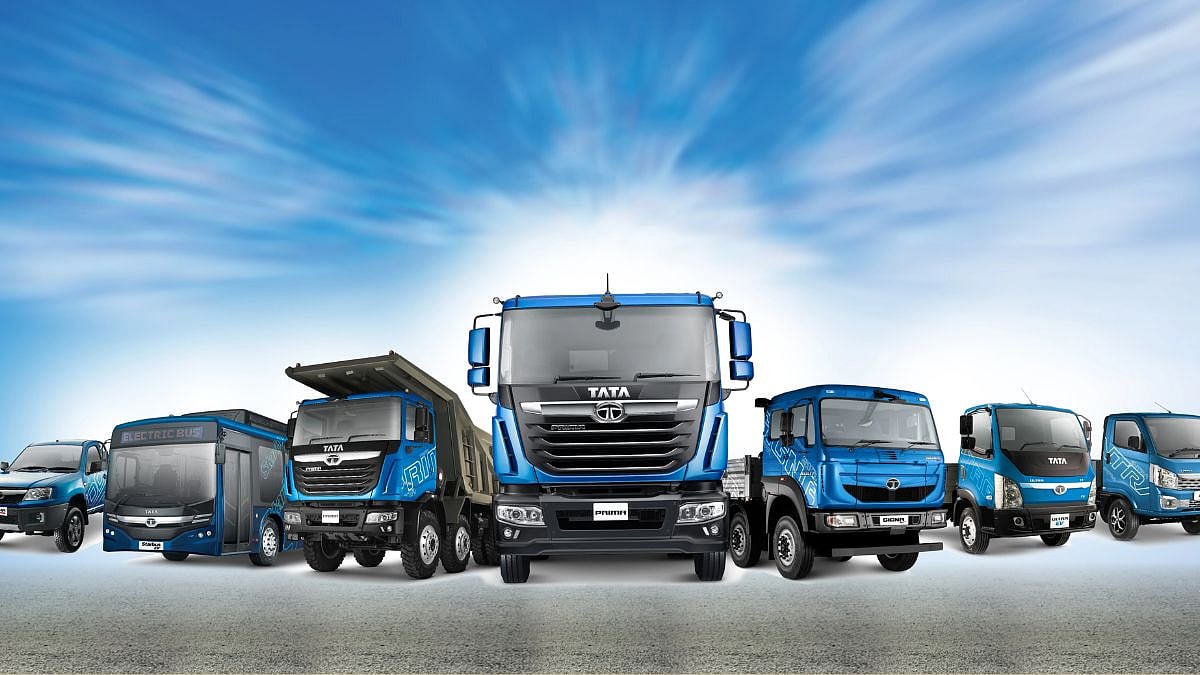
Its electric mobility segment also expanded, with over 3,800 electric buses deployed across 10 cities, covering more than 500 million kilometres with over 95% uptime.
Digital and connected vehicle platforms continued to scale, with Fleet Edge crossing one million connected vehicles and Fleet Verse showing strong growth.
International operations surged 53.9%, driven by stronger market penetration and large global orders ahead of the Iveco integration.

