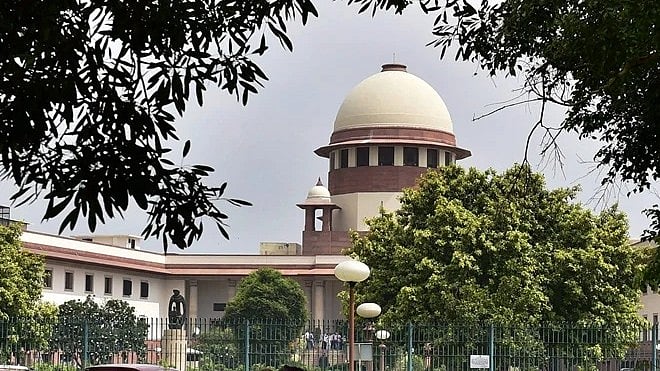
New Delhi: The Supreme Court on Tuesday granted bail to Arvind Dham, former promoter and director of Amtek Group, who is accused in a massive Rs 25,000 crore bank fraud case. The decision came after Dham challenged the Delhi High Court’s August 19, 2025, order, which had rejected his bail plea.
The high court had refused bail, noting that economic offences of such 'exceptional magnitude' damage public trust and the country’s economic governance, and cannot be taken lightly.
Background of the Case
Amtek Group had defaulted on loans exceeding Rs 25,000 crore from more than 15 banks. Several companies under the group, including ARG Limited, ACIL Limited, Amtek Auto Limited, Metallic Forging Limited, and Castex Technologies Limited, went through insolvency. The resolution process resulted in a massive haircut of over 80% for the banks, causing significant losses to the financial system.
The Enforcement Directorate (ED) case against Dham is based on extensive documentary evidence and forensic audits. Authorities allege that Dham’s proposed resolution plan, which offered repayment of only Rs 35 crore against huge dues, reflects a near-total loss for creditors.

High Court Observations
The Delhi High Court had stressed that releasing Dham prematurely could undermine both the trial and public confidence in the justice system. It noted that economic offences such as money laundering, increasingly facilitated by technology and AI, pose serious threats to India’s financial system and require thorough investigation.

The court emphasised that a detailed and careful investigation is necessary to ensure that innocent people are not wrongly implicated, while actual offenders are held accountable. It highlighted that Dham’s actions had caused irreparable financial loss, making continued custody necessary at the time.
Supreme Court Decision
While the high court had denied bail citing the seriousness of the charges, the Supreme Court has now allowed Dham temporary relief, signaling a legal development in one of India’s largest alleged banking fraud cases.
