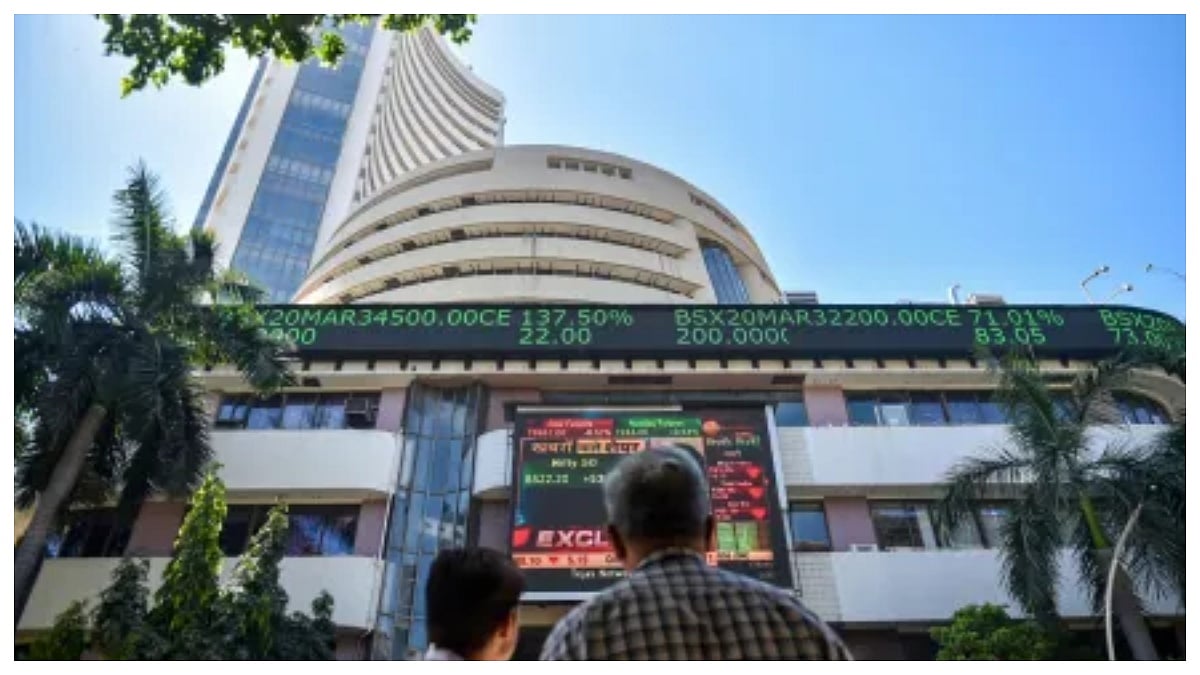
Mumbai: The Union Budget 2026 will be presented on Sunday, February 1, by Finance Minister Nirmala Sitharaman. Since Sunday is normally a market holiday, many investors were unsure whether trading would take place.
To remove all doubts, both the National Stock Exchange (NSE) and the Bombay Stock Exchange (BSE) have confirmed that they will remain open on Sunday. This decision allows investors to react immediately to major budget announcements and policy changes.
Normal trading, but settlement holiday
Although trading will happen, Sunday will be treated as a settlement holiday. This means that while investors can buy and sell shares, the final settlement of trades will take place on the next working day, which is Monday, February 2, 2026.
The market regulator has also clarified that shares bought on Friday, January 30, cannot be sold on Sunday. This is due to settlement cycle rules, which require time for earlier trades to be completed.
Market timings on Budget day
On Budget day, the stock market will follow normal trading hours. The equity market will open at 9:30 am and close at 3:30 pm. All major segments, including equity and derivatives, will operate like a regular market day.

This special trading session ensures that investors, traders and institutions can respond in real time to the Union Budget announcements.
Why Budget day matters for markets?
The Union Budget has a strong impact on the stock market because it shows how the government plans to spend money and raise income in the coming financial year. It also includes important decisions on taxes, subsidies, and sector-specific policies.
Markets usually remain highly volatile on Budget day. Share prices often move sharply as investors react to changes in tax rules, government spending plans, and policy reforms.
The Finance Minister may announce changes in GST, customs duty, excise and other taxes. These changes directly affect sectors like manufacturing, electronics, oil and gas, FMCG and infrastructure.
If taxes are reduced or new incentives are announced, company profits may improve, pushing stock prices higher. On the other hand, higher taxes or tighter rules can hurt earnings and pull stocks lower.
What investors should do?
Since Budget day trading is usually unpredictable, experts advise investors to stay cautious. Long-term investors should focus on quality stocks and avoid panic decisions based on short-term market moves. Traders should expect high volatility and manage risks carefully.

