New Delhi: A hacker group operating under the name ‘Siriusim’ has claimed to have accessed sensitive customer information allegedly linked to the State Bank of India (SBI), raising concerns about a possible data breach involving the country's largest public sector lender.
The alleged exposure reportedly involves nearly 3.8 lakh data entries and thousands of documents containing personal and financial information. However, the claims remain unverified, and there is no independent confirmation of a breach of SBI's systems.
What Is The SBI Data Leak Claim?
Cybersecurity monitoring account CyberPulse56 highlighted the alleged breach in a post on social media platform X.
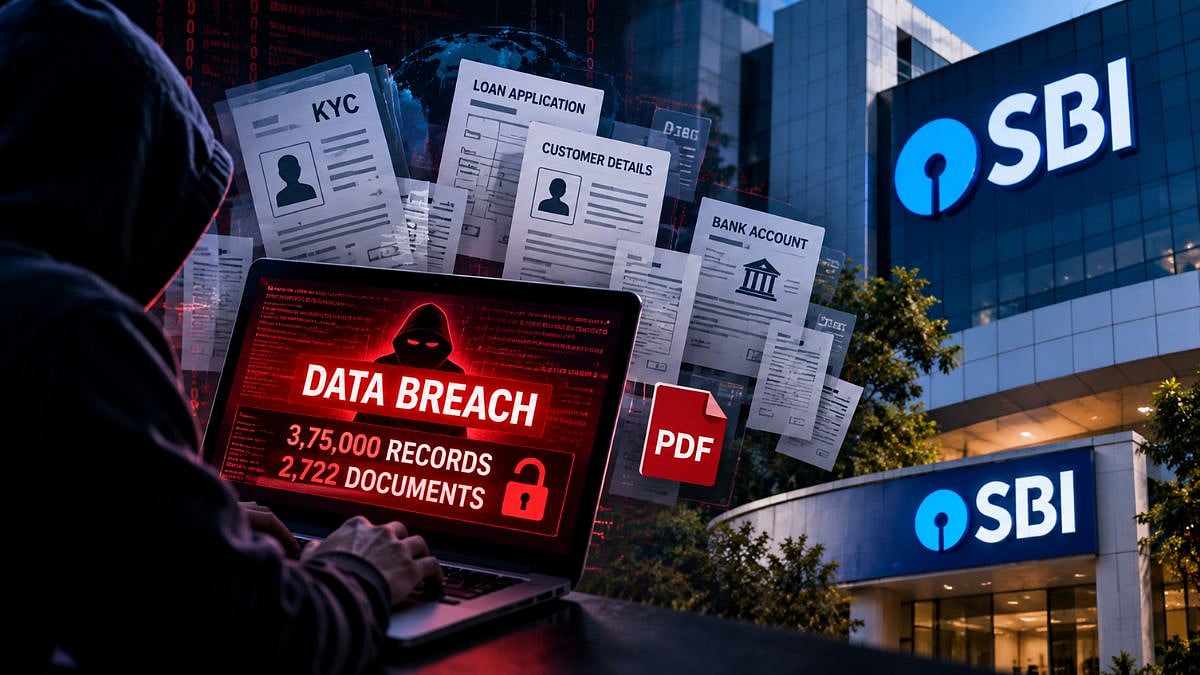
According to the account, Siriusim claims to possess approximately 3.8 lakh records in CSV format and 2,722 PDF documents purportedly associated with SBI.
CyberPulse56 first reported the allegations on October 16, stating that the hacker group had presented the material as its first disclosure of the dataset.
What Customer Information Is Allegedly Exposed?
The purported dataset reportedly contains sensitive information, including customers' personal details, residential addresses, loan applications, account-opening documents and supporting financial records.
Such information, if authentic, could expose individuals to financial fraud and identity-related risks.
However, the reported number of records does not necessarily represent the number of affected customers. Multiple entries could belong to the same individual.
Has SBI Confirmed The Alleged Breach?
The authenticity, source and extent of the alleged data exposure have not been independently established.
There is currently no verified evidence confirming that hackers directly accessed SBI's internal systems or that the documents originated from the bank.
The allegations should therefore not be treated as confirmation that 3.75 lakh SBI customers have suffered a data breach.
What Are The Potential Risks For Customers?
CyberPulse56 warned that genuine exposure of such information could create opportunities for identity theft, targeted phishing attacks, fraudulent loan applications and other financial scams.
Cybercriminals could potentially misuse personal information to impersonate customers or send convincing fraudulent communications.
Customers should avoid sharing OTPs, passwords, PINs or banking credentials and remain cautious about suspicious calls, messages and links.
RBI Tightens Focus On Banking Cybersecurity
The allegations come amid growing concerns over cybersecurity threats targeting India's financial institutions.
The Reserve Bank of India (RBI) has strengthened its focus on cybersecurity requirements and operational resilience across the banking sector.
For now, the reported SBI data leak remains an unverified allegation, with the actual scale and potential impact yet to be established.

