
Mumbai: The rupee slumped 20 paise to close at a fresh record low of 92.45 (provisional) against the US dollar on Friday as crude oil prices crossed USD 101/barrel amid the raging West Asia conflict.
A stronger greenback, heavy foreign fund outflows and sustained selling in the domestic equity markets further weighed on the rupee, according to forex traders.
At the interbank foreign exchange, the local unit opened at 92.33 and kept losing ground to hit a fresh intra-day low of 92.47 against the US dollar. It eventually settled at its lifetime low of 92.45 (provisional), down 20 paise from its previous close.
In the preceding session, the rupee lost 24 paise to settle at 92.25 against the US dollar, its lowest-ever closing level until Thursday.

"The rupee hit a new record low on Friday on weak domestic markets and a strong dollar. Rising crude oil prices and continued FII outflows also pressured the rupee," Anuj Choudhary, Research Analyst, Mirae Asset ShareKhan, said.
"We expect the rupee to trade with a negative bias on risk aversion in global markets amid the ongoing US-Israel and Iran war. Rising crude oil prices and worries over inflation may further pressurise the rupee. A strong dollar and rising US treasury yields may too weigh on the domestic unit," he said.
Rupee is expected to trade in the range of Rs 92.10-92.80, Choudhary added.
The dollar index, which gauges the greenback's strength against a basket of six currencies, was trading 0.43 per cent higher at 100.17.
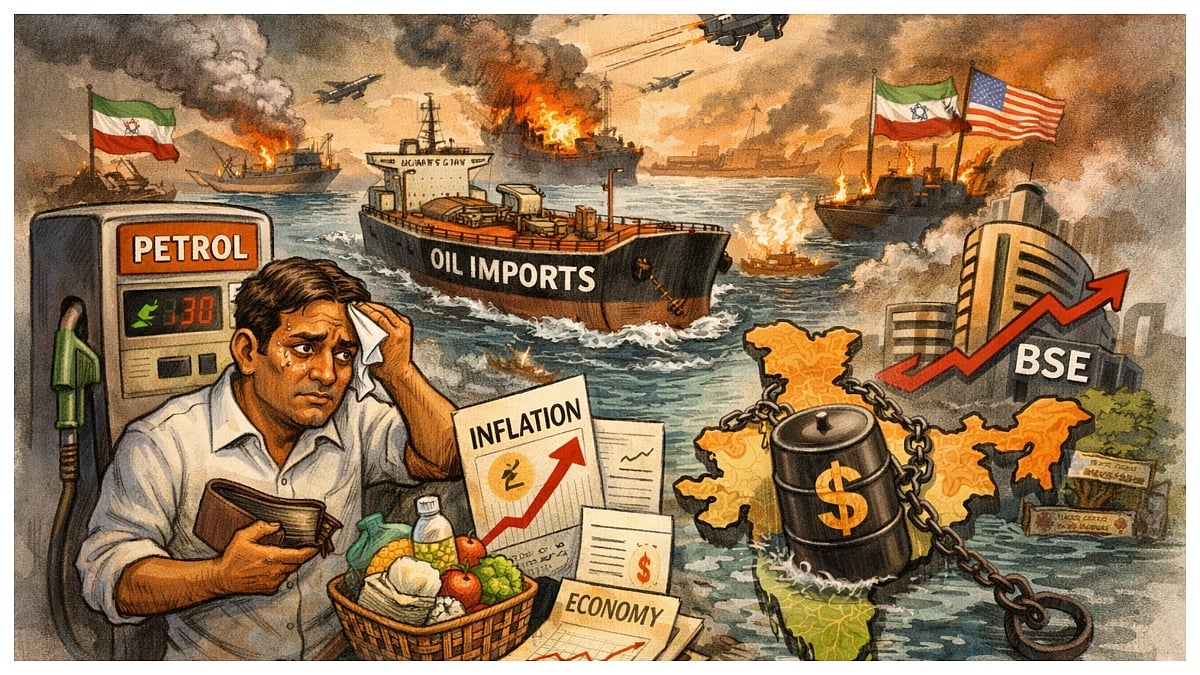
Brent crude, the global oil benchmark, was trading higher by 1.41 per cent at USD 101.9 per barrel in futures trade.
On the domestic equity market front, the 30-share BSE Sensex crashed 1,470.50 points, or 1.93 per cent, to 74,563.92, while the Nifty plummeted to 23,151.10, down 488.05 points, or 2.06 per cent.
Foreign institutional investors sold equities worth Rs 7,049.87 crore on a net basis on Thursday, according to exchange data.
Meanwhile, retail inflation moved up to 3.21 per cent in February compared to 2.74 per cent in the preceding month, driven mainly by higher food prices, government data released on Thursday showed.
(Except for the headline, this article has not been edited by FPJ's editorial team and auto-generated from an agency feed.)

