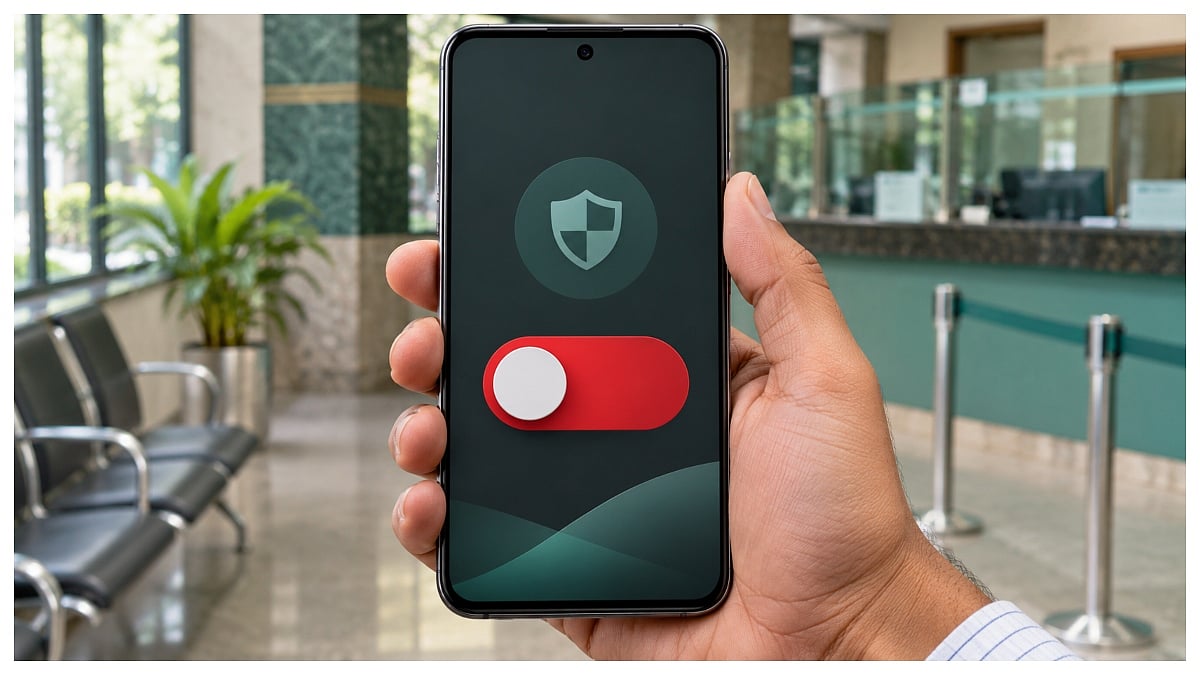
Mumbai: The Reserve Bank of India (RBI) has proposed giving bank customers greater control over digital payments. Its draft guidelines would let customers switch payment channels on or off, set their own transfer limits and use a ‘stop switch’ if they suspect fraud. Most measures are proposed to take effect on 1 July 2027.
How Would Payment Controls Work?
Customers could disable channels such as internet or mobile banking, including for specified periods, and reactivate them after verification. Digital payment channels on new accounts would start disabled and require the customer’s explicit consent and verification before activation. Banks would set a transfer limit for the first 24 hours after activation.

New debit, credit and prepaid cards would initially work at domestic ATMs and shop terminals. Online, contactless and overseas use would start disabled, with an exception for foreign-currency prepaid cards.
Customers could set limits per transaction, per recipient per day, per channel per day or across all digital channels. A customer who sets a ₹20,000 daily limit for a recipient could send no more to that person that day, even if the bank’s standard limit is higher.
What Would The Stop Switch Block?
The switch would block covered outgoing payments initiated by the customer, prevent new payment mandates and stop the account from being registered for UPI on a new app. Customers would have to verify their identity with the bank to restore access.

Incoming credits would continue. Existing mandates and standing instructions, bank charges and loan instalments could still go through. Banks could also continue placing holds on funds.
Who Could Approve Large Transfers?
Customers could opt to nominate an adult they trust to approve certain transfers above a threshold they choose. Both parties would have to consent. The trusted person would receive the amount and recipient details and have one hour to approve or reject the transfer. Without approval, the payment would lapse.
The trusted person would have no access to the account balance or authority to operate the account. A 24-hour cooling-off period would apply to activation or changes. UPI, merchant payments and existing recurring payments would be exempt.
When Could Banks Be Held Responsible?
The draft would broaden the definition of bank negligence in unauthorised transactions. It would cover failures to offer or enforce payment controls, verify customers, send alerts or act promptly on fraud reports. Security failures and staff or contractor collusion could also qualify. Any refund would depend on the circumstances of the case.
Some provisions on verification, alerts and fraud reporting are proposed to take effect on 1 January 2027. The draft covers public and private sector banks, with exemptions for small finance banks, payments banks, regional rural banks and local area banks.
Level up your brain the fun way. Play daily games and quizzes on FPJ Smart!

