
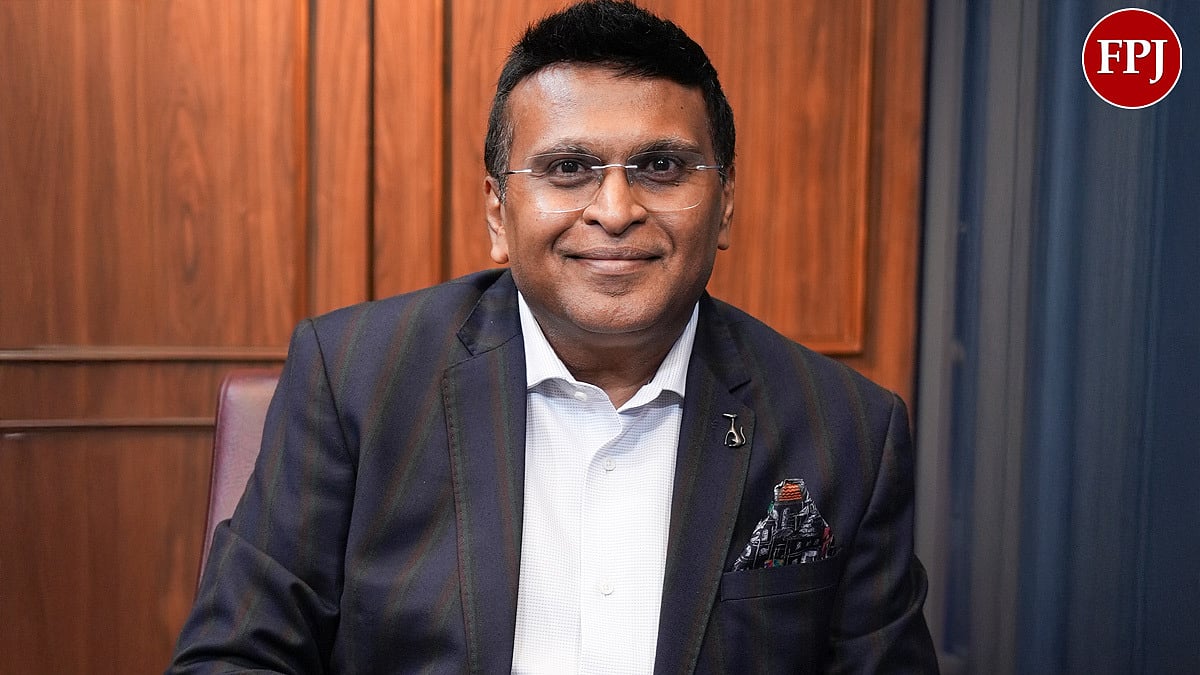
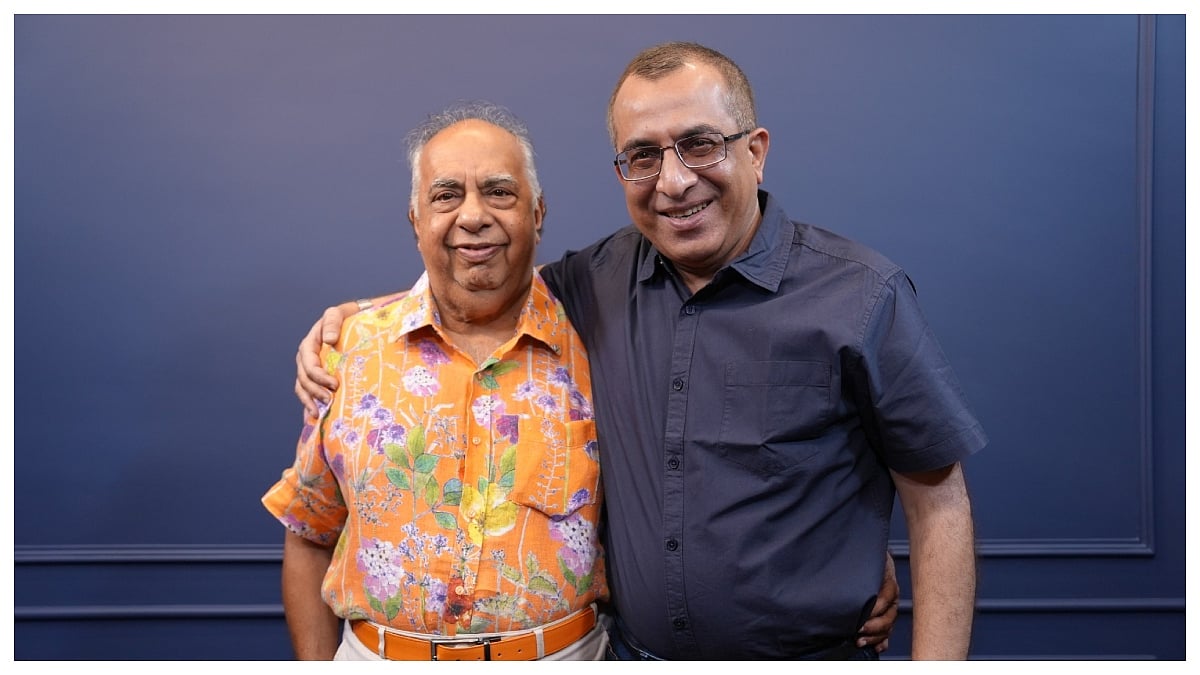
In a conversation with Vivek Law, Co-founder and Editor-in-Chief, on Simple Hai!, Prashant Jain, Chief Investment Officer at 3P Investment Managers, reflected on the transformation of India's equity markets, the changing behaviour of investors and why long-term wealth creation continues to depend on patience rather than prediction. Having managed some of India's largest equity portfolios over several decades, Jain offered a measured perspective on market cycles, foreign investor flows, sectoral opportunities and India's long-term economic trajectory, while also sharing the personal principles that have shaped his investment philosophy.
From Foreign-Dominated Markets to Domestic Strength
Law began by recalling a time when foreign institutional investors largely dictated the direction of Indian markets and retail participation remained limited. Jain said the landscape has changed dramatically over the past three decades. In the early 1990s, investor awareness around equities was minimal, and much of the effort involved explaining the basics of stock market investing rather than discussing investment strategies.
Today, domestic institutions and retail investors have become the primary drivers of Indian equities. Large mutual funds, insurance companies and other domestic institutions now deploy significant amounts of capital into the market, reducing dependence on foreign portfolio flows.
He observed that while foreign investors continue to influence short-term sentiment, their ability to dictate long-term market direction has diminished considerably as domestic participation has grown.
Why Time Matters More Than Timing?
The conversation then shifted to one of Jain's most recognised themes, long-term investing. When Law referred to investors who had stayed invested for more than two decades and generated exceptional returns, Jain acknowledged that such examples remain rare. He explained that sustainable wealth creation depends on two variables: the rate of return and the time an investor remains invested. While markets may occasionally reward investors quickly, enduring success usually requires patience across multiple market cycles.
Although many investors continue to switch funds or portfolios, Jain noted that overall allocations towards equities have steadily increased as millions of new investors continue entering the market through systematic investment plans and mutual funds. According to him, the encouraging trend is not that every individual investor has become long-term oriented, but that equity as an asset class is increasingly being viewed through a long-term lens.
Understanding Foreign Selling
Law asked about the sustained foreign selling witnessed over the past two years and whether investors should remain concerned.
Jain attributed the trend to three key factors. The first was valuation. Indian equities had become significantly more expensive than most emerging markets, making profit booking by foreign investors a logical decision.
The second factor was the depreciation of the rupee, which reduced returns for overseas investors despite positive market performance in local currency.
The third was the changing global investment landscape, including rising interest in artificial intelligence-related opportunities in developed markets and geopolitical uncertainties that affected emerging market allocations.
He believes much of this adjustment has now taken place. Valuations have moderated, crude oil prices have eased and the intensity of foreign selling is likely to reduce going forward.
While avoiding short-term market predictions, Jain said India's earnings growth combined with improving valuations could support healthy equity returns over the next few years.
AI, Technology and Sectoral Opportunities
On the impact of artificial intelligence, Jain adopted a balanced view.
Rather than seeing AI as an overnight disruption, he described it as a productivity-enhancing technology capable of automating repetitive tasks and improving operational efficiency across industries.
He expects software companies supporting AI adoption and system integration to benefit, although the long-term winners within the technology sector are still evolving.
Law also asked about sectoral opportunities across the market.
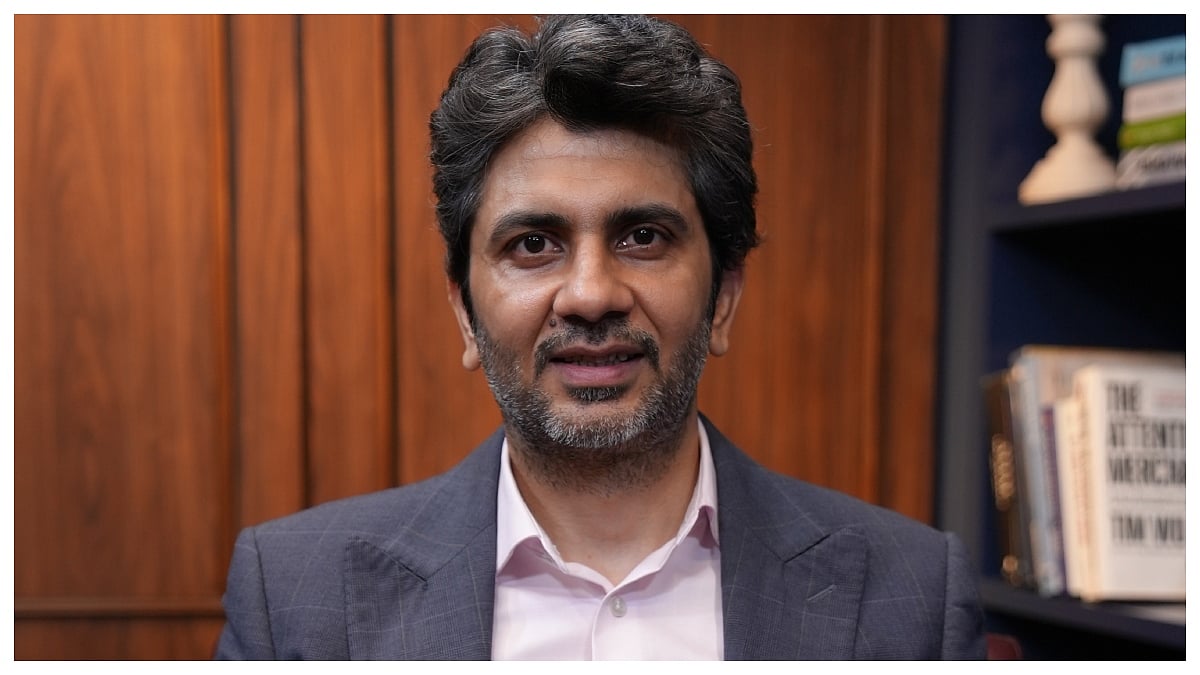
Jain believes banks remain among the more attractive sectors given their valuations and the long-term expansion of India's economy. Despite absorbing considerable foreign selling in recent years, he said the sector's fundamentals remain healthy.
He also expressed optimism towards pharmaceuticals while noting that consumer businesses are currently witnessing slower growth, even though valuations have become more reasonable.
Drawing a distinction between emerging and mature industries, Jain observed that well-managed market leaders often grow faster than smaller companies operating within the same sector, although young industries naturally create opportunities for smaller businesses during their early stages.
India's Structural Growth Story
Throughout the discussion, Jain remained optimistic about India's long-term economic prospects. He pointed to the country's favourable demographics, expanding working-age population, improving infrastructure and continued policy reforms as key structural advantages.
India's progress in roads, ports, airports, banking infrastructure and digital payments, along with initiatives such as production-linked incentive schemes, have strengthened the country's manufacturing and investment ecosystem.
Law asked whether India could sustain strong economic growth over the coming decades. Jain believes the country's nominal GDP growth is likely to remain robust, supported by rising household incomes and relatively low penetration across several consumption categories, including automobiles and consumer durables.
Rather than expecting extraordinary growth every year, he suggested investors should focus on India's ability to deliver steady and sustainable expansion over long periods.
Wealth, Humility and Personal Values
Towards the end of the conversation, Law shifted the discussion from markets to personal philosophy, asking Jain how he has remained grounded despite decades of success.
Jain credited his upbringing and the principles of Jain philosophy for shaping his outlook.
He believes prosperity and happiness are not always directly connected and that managing one's expectations is often more important than pursuing unlimited wealth.
He also expressed caution about excessive dependence on social media, suggesting that while access to information has increased significantly, genuine knowledge and thoughtful decision-making remain far more valuable.
Reflecting on India's broader social transformation, Jain noted that rising incomes among blue-collar workers are improving quality of life and creating more balanced economic opportunities across the country.
A Long-Term Perspective
The conversation consistently returned to one central message: successful investing is less about predicting the next market move and more about remaining disciplined through market cycles.
For Jain, India's markets have matured alongside its investors. Domestic participation has strengthened market resilience, structural economic drivers remain intact and long-term wealth creation continues to favour those willing to stay invested with patience rather than react to short-term volatility.
As India's financial markets continue to deepen, Jain believes disciplined asset allocation, realistic expectations and faith in the country's long-term growth story will remain the foundations of successful investing.

