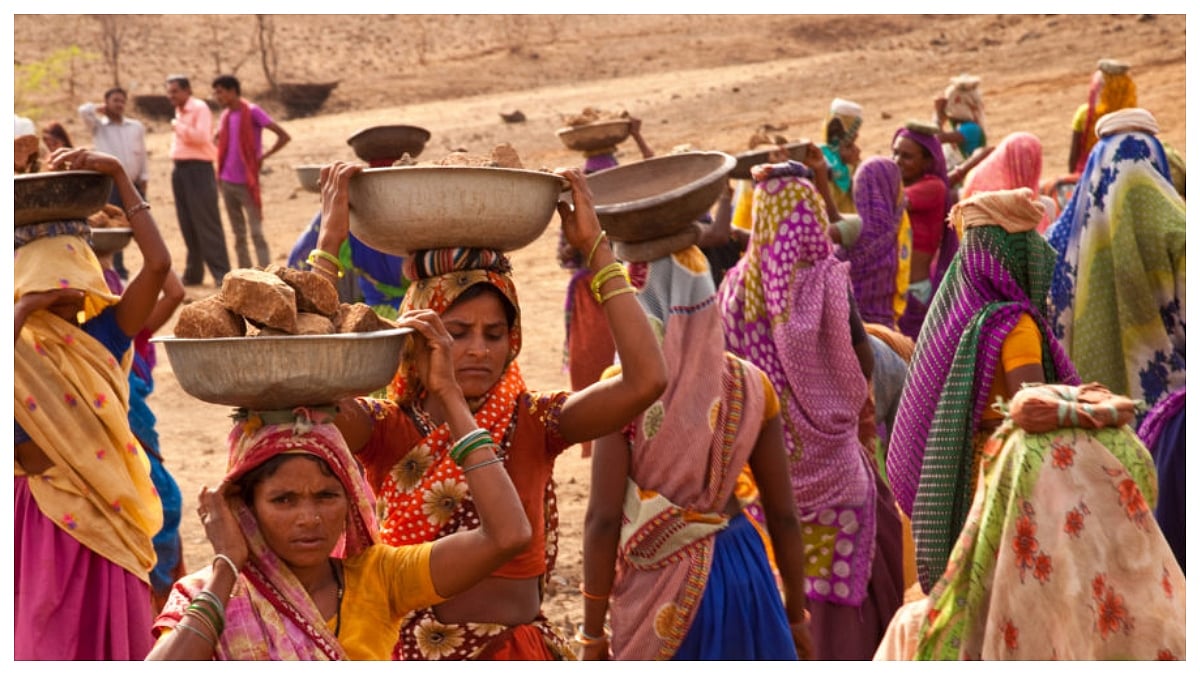
New Delhi: In a major policy decision on December 12, the central government approved the renaming of MGNREGA to Pujya Bapu Gramin Rozgar Yojana. Along with this name change, the government increased the number of guaranteed employment days from 100 to 125 per year for rural households.
The minimum daily wage under the scheme has also been revised upward to Rs 240. This is expected to benefit crores of rural workers who depend on the scheme for livelihood support, especially during lean agricultural periods.
Background: How the Scheme Evolved
The scheme was originally launched in 2005 as the National Rural Employment Guarantee Act (NREGA). Later, it was renamed the Mahatma Gandhi National Rural Employment Guarantee Act (MGNREGA).
It remains one of India’s most important social security programmes, designed to legally guarantee the right to work for rural citizens. The primary objective is to ensure income security in villages and reduce unemployment by providing paid work close to home.

What the Scheme Offers
Under the programme, every adult member of a rural household willing to do unskilled manual labour is entitled to a minimum number of days of work each year-now increased to 125.
The work provided is largely labour-intensive. Typical projects include building rural roads, digging ponds, water conservation activities, creating irrigation channels, horticulture projects, and other community development tasks.
The scheme has played a crucial role in supporting rural families, reducing migration to cities, increasing women’s participation in the workforce, and strengthening village infrastructure.
Impact on Rural Economy
By raising wages and expanding job days, the government aims to boost income levels in villages. This move is expected to support rural demand, stabilise household earnings and create more durable community assets, ultimately contributing to stronger and more resilient rural development.

