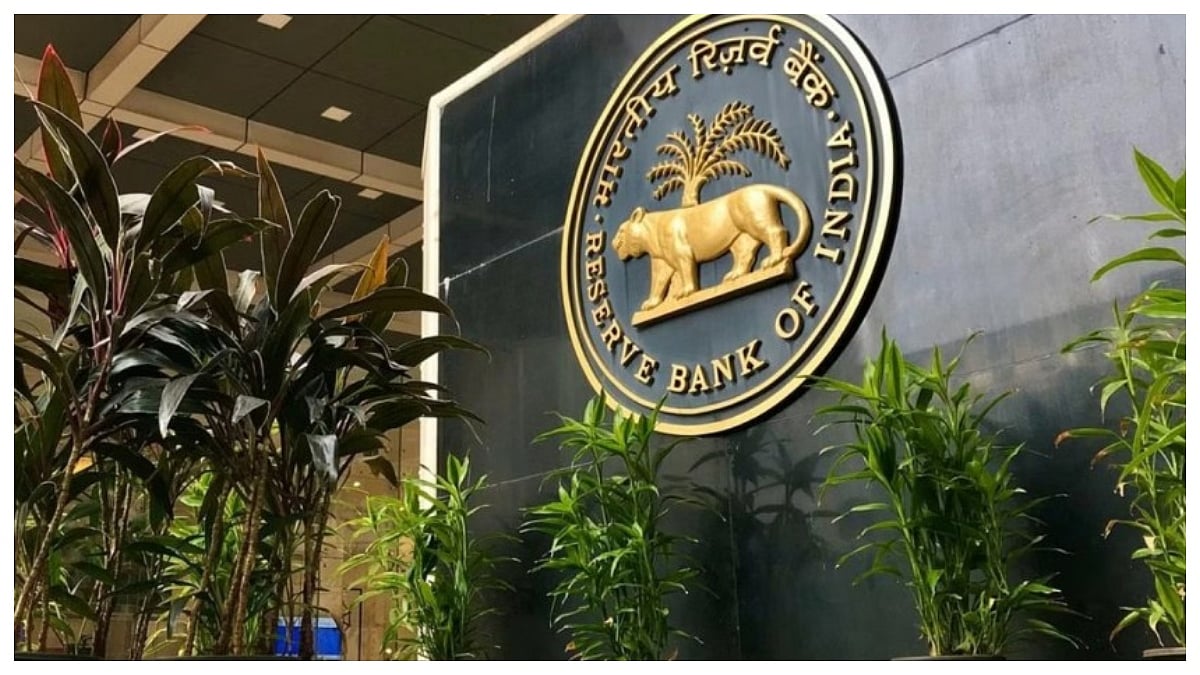
Mumbai: The Reserve Bank of India (RBI) has flagged concerns over declining demand for long-term government securities (G-Secs) from banks, insurance companies and pension funds, highlighting potential challenges for government borrowing amid changing institutional investment preferences.
Speaking at the Primary Dealers Association of India (PDAI) Seminar 2026 in Mumbai on Monday, RBI Deputy Governor Rohit Jain said increasing equity exposure among institutional investors has structurally weakened demand for long-term sovereign debt.

Institutional Investment Shifts
Insurance companies and pension funds are gradually increasing their exposure to equities, resulting in marginally lower demand for long-term government bonds. Banks remained the largest investors in government securities, accounting for nearly 35% of total holdings at the end of March 2026, followed by insurance companies and provident funds.
The changing investment landscape could affect the domestic bond market's ability to absorb additional government debt, particularly as borrowing requirements increase.
Borrowing Cost Concerns
Jain cautioned that rising government bond yields could increase the financial burden on the exchequer. "Even a small increase in yields can have a meaningful impact on the Government’s interest burden," he said.
India's government securities market remains heavily dependent on domestic institutional investors. Reduced demand from these participants could create challenges in managing the growing supply of sovereign debt. The Deputy Governor also highlighted geopolitical uncertainties and their potential implications for government borrowing costs and financial stability.

RBI Pushes Market Liquidity
The central bank is encouraging primary dealers to strengthen their market-making activities and provide two-way quotes for less frequently traded government securities.
These measures aim to improve secondary-market liquidity, facilitate efficient price discovery and encourage wider investor participation across different bond maturities.
Broader Investor Participation
Jain emphasised the importance of a coordinated approach to building a resilient government bond market.
He stressed the need for credible fiscal policies, effective debt management, predictable government bond auctions and greater participation from long-term institutional investors to support sustainable government borrowing and maintain financial market stability.
Level up your brain the fun way. Play daily games and quizzes on FPJ Smart!

