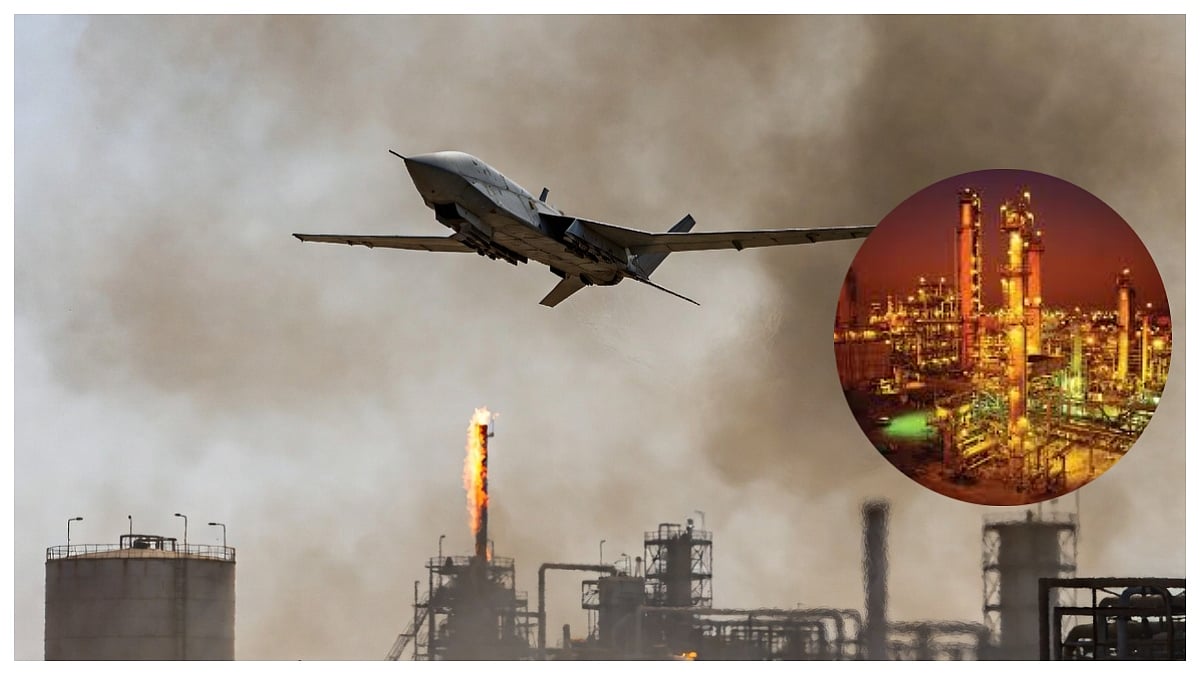
The conflict in West Asia has taken a serious turn after Iran carried out a drone attack on Kuwait’s Mina Al-Ahmadi Refinery. The strike caused a fire at the site, and emergency teams are working to control the situation. This is one of Kuwait’s most important oil facilities.
Major Oil Facility Hit Again
The Mina Al-Ahmadi Refinery can process around 730,000 barrels of crude oil per day. It is one of Kuwait’s three main refineries. Reports suggest that the facility was already damaged a day earlier, making the latest attack even more serious and raising concerns about oil supply.
Conflict Enters Third Week
The war between Israel and Iran has now entered its third week. Tensions increased after Israel attacked the South Pars Gas Field, which is the world’s largest natural gas field shared by Iran and Qatar. In response, Iran has stepped up attacks on energy infrastructure across the Gulf region.
Rising Tensions Across Gulf Nations
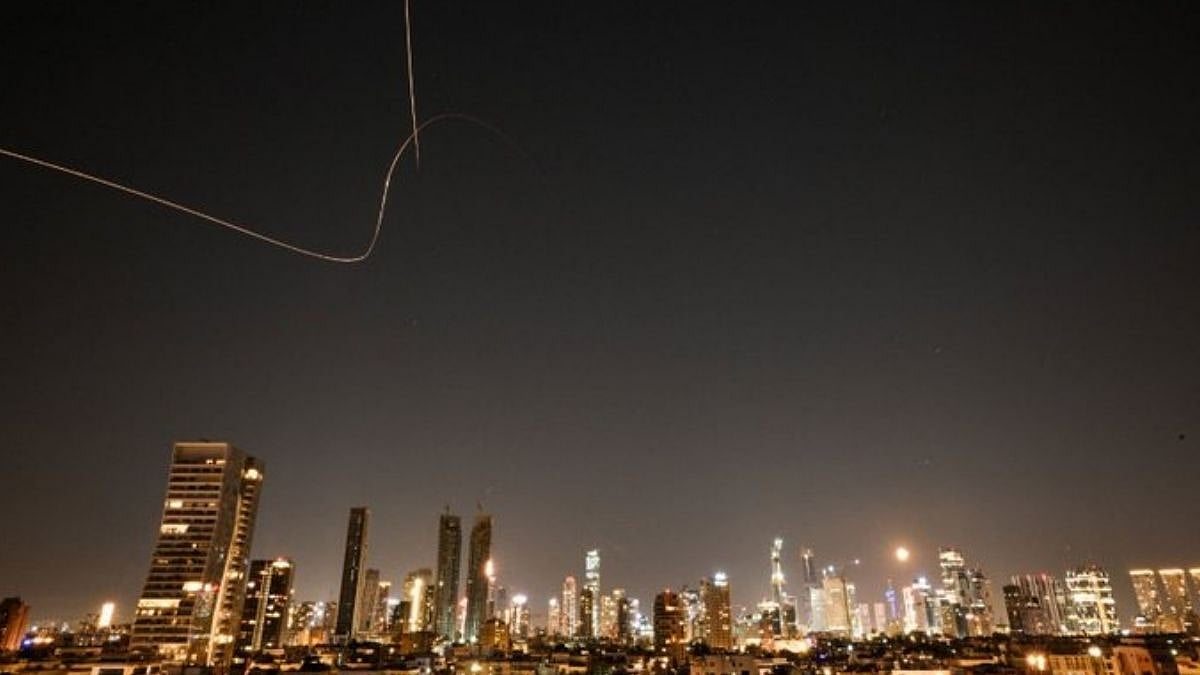
The impact of the conflict is spreading across several Gulf countries. Explosions were heard in Dubai, where air defence systems stopped incoming attacks. In Bahrain, falling debris caused a fire in a warehouse. Saudi Arabia said it intercepted multiple drones targeting its eastern oil region. Iran has also launched missiles towards Israel, triggering sirens in Jerusalem and nearby areas.
Global Oil Market Faces Volatility
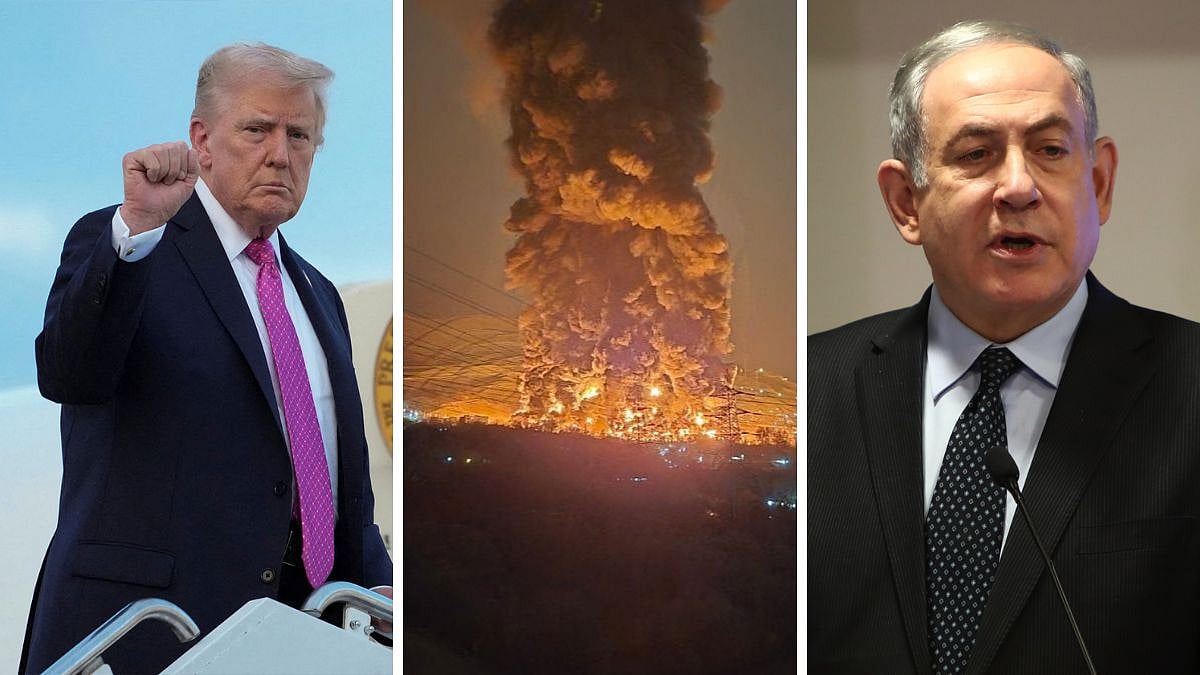
The conflict has created strong uncertainty in global energy markets. There are growing fears about the Strait of Hormuz, a key route through which nearly 20% of the world’s oil passes. Brent crude prices crossed USD 119 per barrel before easing slightly to around USD 107, showing high volatility.
Rising Humanitarian Crisis
The war is also causing heavy human losses. More than 1,300 people have died in Iran, while missile attacks in Israel have killed at least 15 people. In Lebanon, over one million people have been displaced due to attacks linked to Hezbollah, worsening the humanitarian situation.

