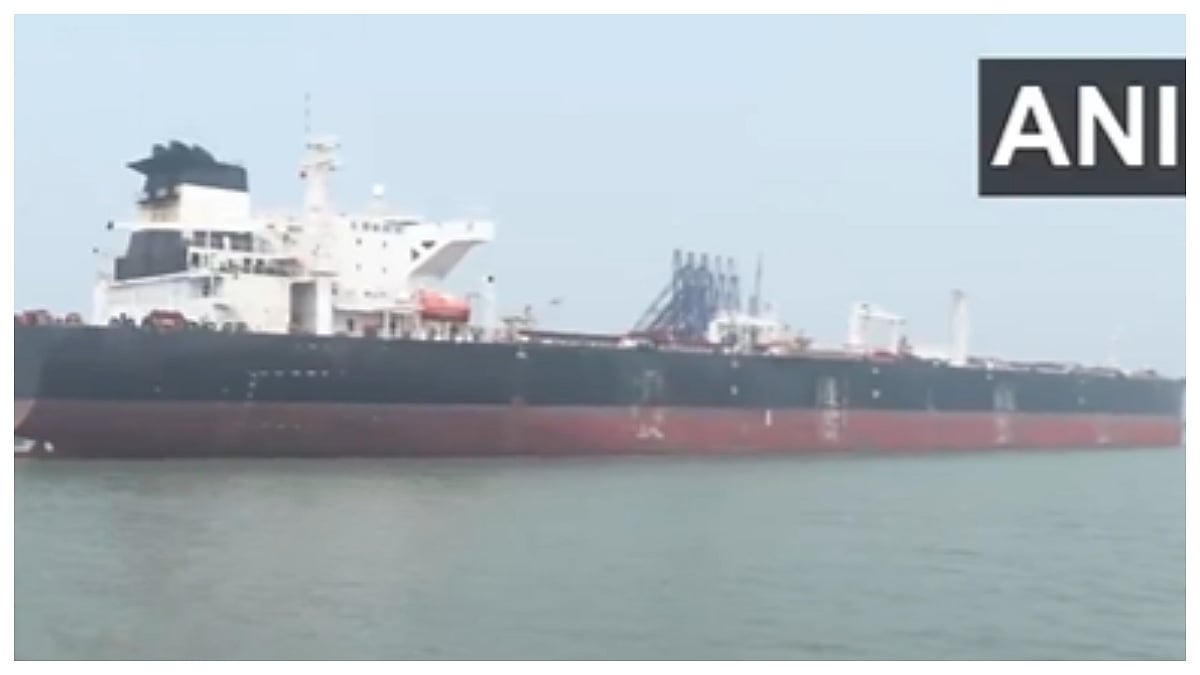
Mumbai: Amid rising tensions and attacks on ships near the Strait of Hormuz, two oil tankers carrying nearly 3 million barrels of crude oil have safely reached India. Their arrival has surprised many in the shipping and energy sectors because the region has become highly risky for vessels.
For now, there is no official explanation about how these ships managed to travel safely through the conflict zone. The government has not clarified whether their safe passage was the result of diplomatic talks between India and Iran or the decision of the ship captains to take a major risk.
However, industry experts say the journey of these ships has become a major talking point in the global oil shipping market.
Ships Turn Off Tracking Systems
According to ship tracking data and industry sources, both tankers switched off their Automatic Identification System (AIS) and transponders while crossing the Strait of Hormuz.
AIS is normally used to track ships and monitor their movement at sea. Turning it off allows vessels to avoid detection but also increases the risk of accidents or security threats.
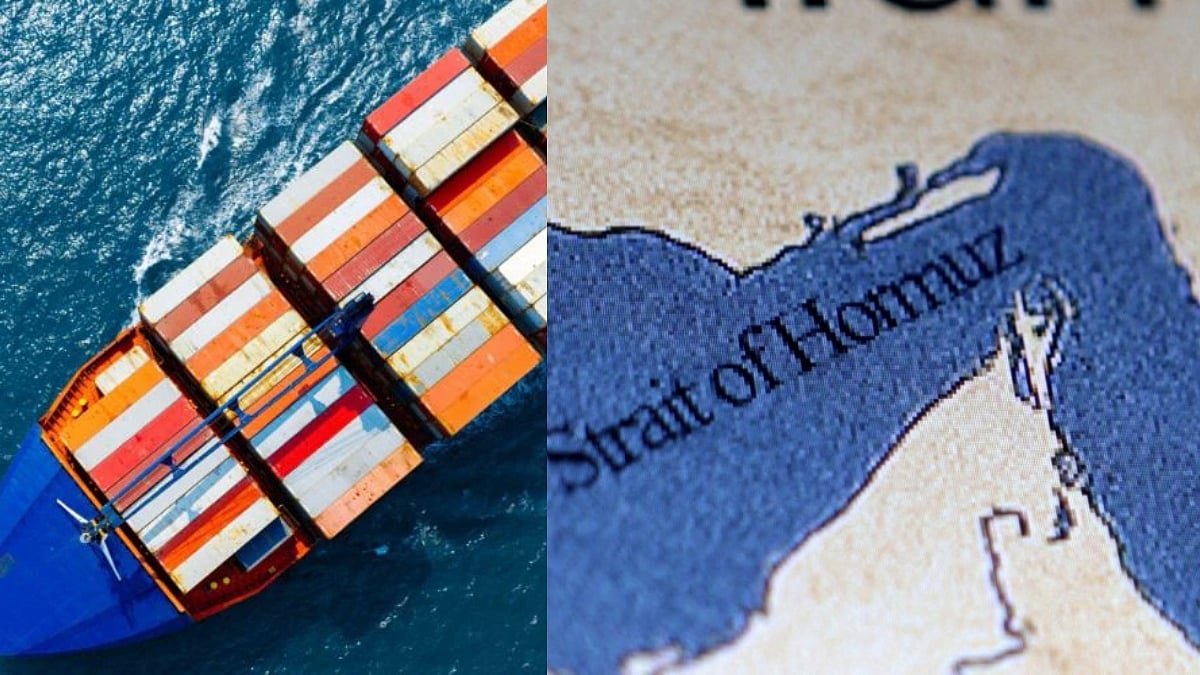
Experts say ships sometimes take this step in high-risk zones or during sensitive trade situations. By temporarily disappearing from tracking systems, ships try to reduce the chances of being targeted.
However, doing this in a conflict-prone area can be extremely dangerous.
Details of the First Tanker
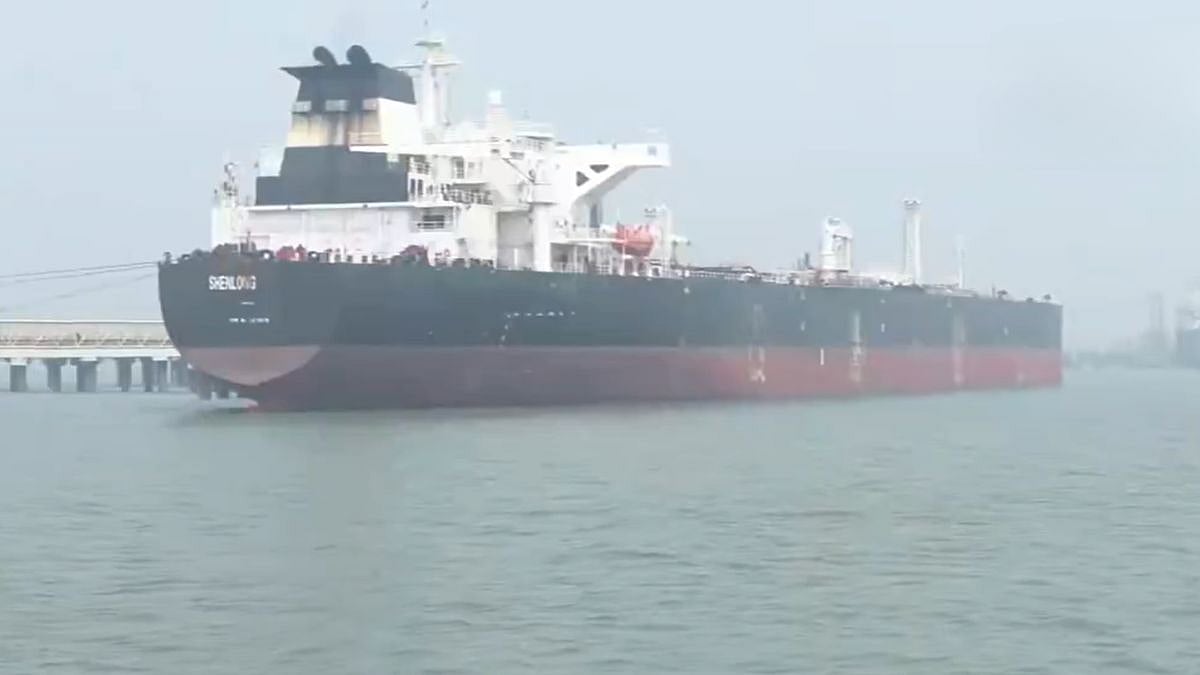
The first tanker, named Shenlong, left Ras Tanura in Saudi Arabia on March 1. Ras Tanura is one of the largest oil export terminals in the world.
The ship reached Mumbai on March 10 carrying around 2 million barrels of crude oil. Industry sources say most of the crude was loaded from Iraq.
According to data from S&P, the ship’s draft increased from 9.3 metres at Ras Tanura to 15.8 metres when it arrived in Mumbai. This indicates that the vessel had fully loaded oil cargo.
Shenlong is owned by Shenlong Shipping Ltd. and managed by Greece-based Dynacom Tankers Management Ltd.
Second Tanker Also Reaches Safely
The second tanker involved in the journey sails under the Liberian flag. It loaded around 1 million barrels of crude oil from Saudi Arabia.
Sources said both ships disappeared from tracking systems on March 1 and were detected again only after crossing the risky waters of the Strait of Hormuz between March 6 and March 9.
Rising Attacks in the Strait of Hormuz
The situation in the Strait of Hormuz remains tense due to ongoing conflict involving Iran and other global powers.
Recently, a Thailand-flagged bulk carrier heading toward India was attacked while crossing the strait. The vessel caught fire and emergency rescue operations had to be launched.
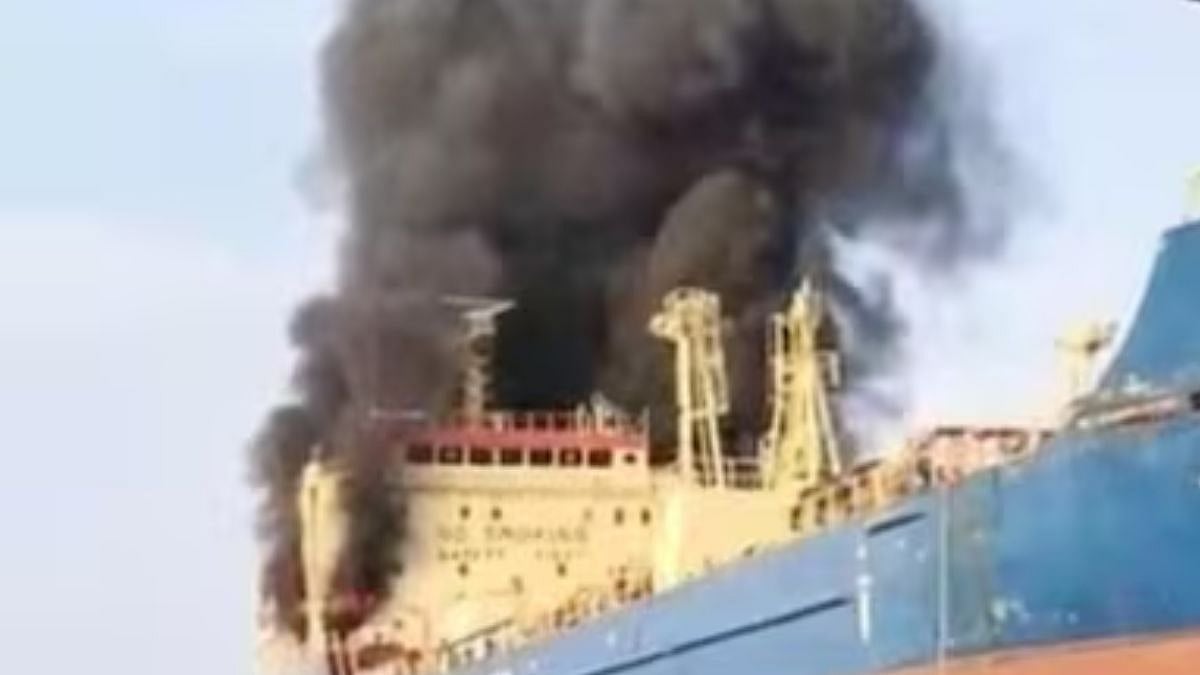
Such incidents highlight the growing risks for ships traveling through one of the world’s most important oil shipping routes.
Experts believe that confidence among shipping companies may have improved slightly due to steps taken by the Indian government in the region, which may have encouraged them to continue operations despite the risks.
