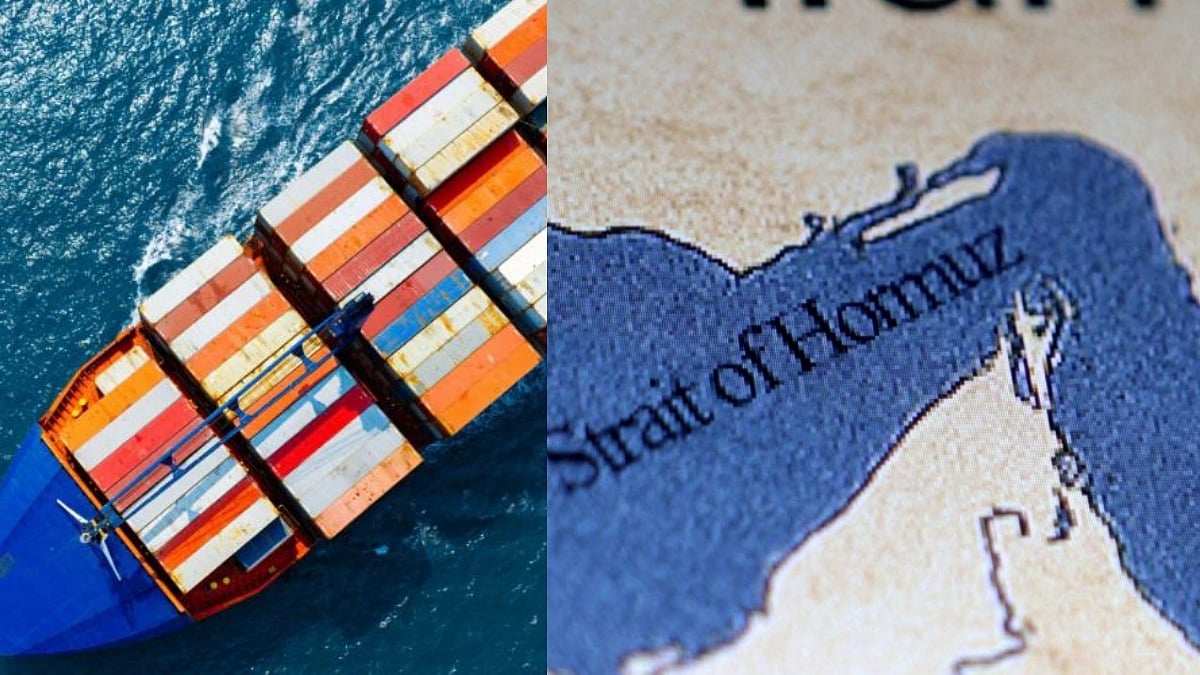
The first oil tanker carrying non-Iranian crude has exited the Strait of Hormuz, according to a report by Moneycontrol citing data from S&P Global Commodities at Sea.
On March 1, the tanker named ‘Shenlong’ was loaded with oil at Saudi Arabia’s largest oil export terminal Ras Tanura. The tanker arrived in Mumbai, India, on March 10, the report added.
“Its draught (how deep the ship is in the water) at Mumbai was 15.8 meters, up from 9.3 meters at Ras Tanura, indicating it had loaded,” S&P was quoted as saying.

However, the ship’s destination was unknown, it added. According to S&P, the tanker was owned by Shenlong Shipping Limited and managed by Greece’s Dynacom Tankers Management Limited.
The development has come amid the Iran war raging in the region and oil supplies coming to a halt from the Gulf. Ras Tanura oil refinery of Saudi Aramco had come under Iranian drone attacks on March 2.
Before the war, the Strait of Hormuz, a narrow but crucial trade route, would register about 20 percent of the world’s daily crude shipment.
The route has been blocked since the war began on February 28, sending crude prices to almost a four-year high of around $120 per barrel.
According to the report, tanker traffic through the Strait has not resumed significantly, with only 2-3 transits per day compared to the usual 60.
Washington on Tuesday said that the US Navy had not escorted any vessel through the Strait of Hormuz.
The clarification came after Energy Secretary Chris Wright tweeted that “the US Navy successfully escorted an oil tanker through the Strait of Hormuz to ensure oil remains flowing to global markets.” The tweet was later deleted.
In anticipation of getting attacked in the Strait, oil companies are resorting to alternate routes. These include Saudi Aramco’s and ADNOC’s oil pipelines built to bypass the Strait.
However, these routes are insufficient to fully compensate for the loss of shipments through Hormuz. The energy crisis has so far affected oil companies, gas distributors, restaurants and hotels, and fertiliser producers in India.

