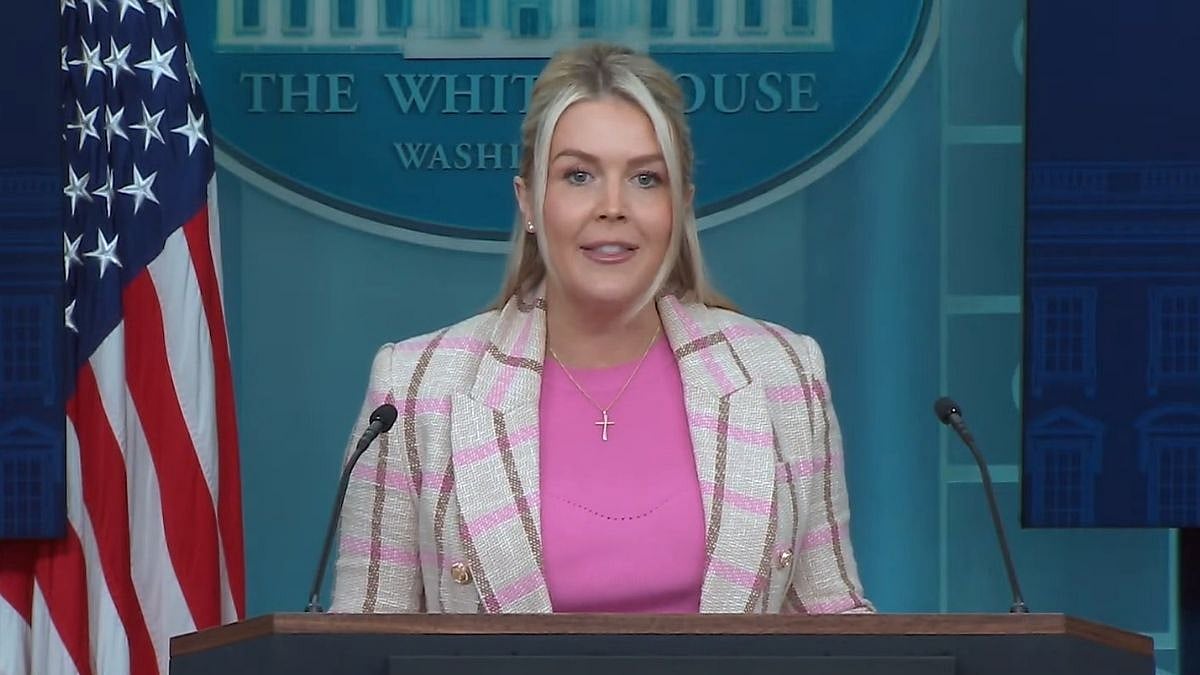
Washington DC [US], March 11: White House Press Secretary Karoline Leavitt on Tuesday (local time) said that the United States has not escorted any vessels or tankers via the Strait of Hormuz amid the developing security situation in West Asia and the Gulf.
White House clarifies tanker escort claim
She made the remarks during the press briefing while taking questions from the media.
When asked about a now-deleted post by the US Energy Secretary which claimed that the US Navy had escorted an oil tanker through the Strait of Hormuz, Leavitt said that while she was aware of the post, she confirmed that the US Navy did not escort any tanker or vessel through the Strait of Hormuz. However, the option remains ready to be utilised if and when necessary.
Leavitt told the media, "I was made aware of this post. I haven't had a chance to talk to the Energy Secretary about it directly. I can confirm that the US Navy has not escorted a tanker or vessel at this time, though of course that's an option the President has said he will absolutely utilise if and when necessary at the appropriate time."
Meanwhile, in a post on X, Press TV had shared the now-deleted post by Secretary Chris Wright.
Risk insurance offered to tankers
Leavitt further highlighted that the Trump administration has offered political risk insurance to the tankers operating in the Gulf, with the commander-in-chief offering the support of the US Navy to escort tankers when necessary.
"As for the oil, President Trump fully expected the rogue Iranian regime to try to disrupt the global oil markets. That is why President Trump and his energy team have been planning for this long before the strike and have moved quickly to address these temporary disruptions. Thus far, the Trump administration has offered political risk insurance to tankers operating in the Gulf. The Treasury temporarily waived certain oil-related sanctions. And the commander-in-chief has offered the U.S. Navy to escort tankers when necessary. The President and his energy team are closely watching the markets, speaking with industry leaders, and the U.S. military is drawing up additional options following the President's directive to continue keeping the Strait of Hormuz open," Leavitt told the media.
Strategic importance of Strait of Hormuz
The Strait of Hormuz, a narrow maritime passage connecting the Persian Gulf with the Gulf of Oman, is one of the world's most critical energy chokepoints, with a significant portion of global oil and liquefied natural gas shipments passing through it.
Previously, amid growing concerns over disruptions to global oil supplies, President Donald Trump announced that the United States would take "immediate steps to safeguard maritime trade" in the Gulf region, including offering political risk insurance and potentially deploying naval escorts through the Strait of Hormuz.
In a post on Truth Social, Trump said he had directed the United States Development Finance Corporation (DFC) to provide political risk insurance and guarantees to ensure the financial security of all maritime trade, particularly energy shipments transiting through the Gulf.
White House says fuel prices may drop
Amid the recent increase in oil and gas prices in the wake of the conflict in West Asia and the Gulf, Leavitt told the media that oil and gas prices would soon come down, potentially even lower than what they were before the start of 'Operation Epic Fury'.
She said, "Rest assured to the American people, the recent increase in oil and gas prices is temporary and this operation will result in lower gas prices in the long term. Once the national security objectives of Operation Epic Fury are fully achieved, Americans will see oil and gas prices drop rapidly, potentially even lower than they were prior to the start of the operation. We will live in a world where Iran can no longer threaten the United States or our allies with a nuclear bomb."
Trump reiterates warning to Iran
In her remarks, the White House Secretary reiterated the sentiment of the US President who warned Iran against taking actions to restrict the flow of oil or goods via the Strait of Hormuz.
Leavitt said, "Last night, President Trump reiterated his commitment toward keeping oil flowing through the Strait of Hormuz so the United States and all of our allies can meet their energy needs. President Trump will not allow rogue Iranian terrorists to stop the freedom of navigation and the free flow of energy... As the President made unequivocally clear to the remaining elements of this terrorist regime in his statement yesterday, if they do anything to stop the flow of oil or goods within the Strait of Hormuz, they will be hit by the world's most powerful military 20 times harder than they have been hit thus far."
Conflict escalates across Gulf region
The remarks come amid an escalating security situation in West Asia, which has resulted in the conflict expanding beyond Iran, with Iranian retaliatory strikes—using missiles and drones—targeting US military bases, embassies, and civilian and energy infrastructure in neighbouring Gulf nations, including the UAE, Saudi Arabia, Qatar, Kuwait, Bahrain and Jordan.
Also Watch:
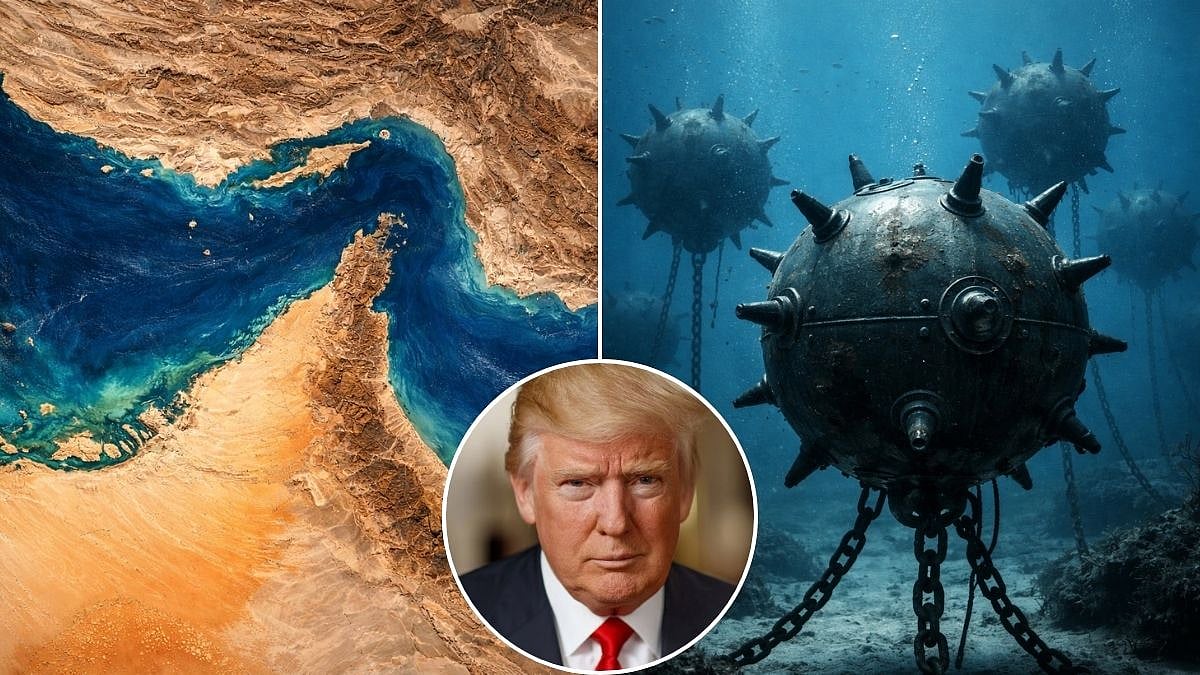
The conflict has caused significant disruptions to global energy supplies, particularly around the Strait of Hormuz, where approximately 20% of the world's oil transits.
(Disclaimer: Except for the headline, this article has not been edited by FPJ's editorial team and is auto-generated from an agency feed.)

