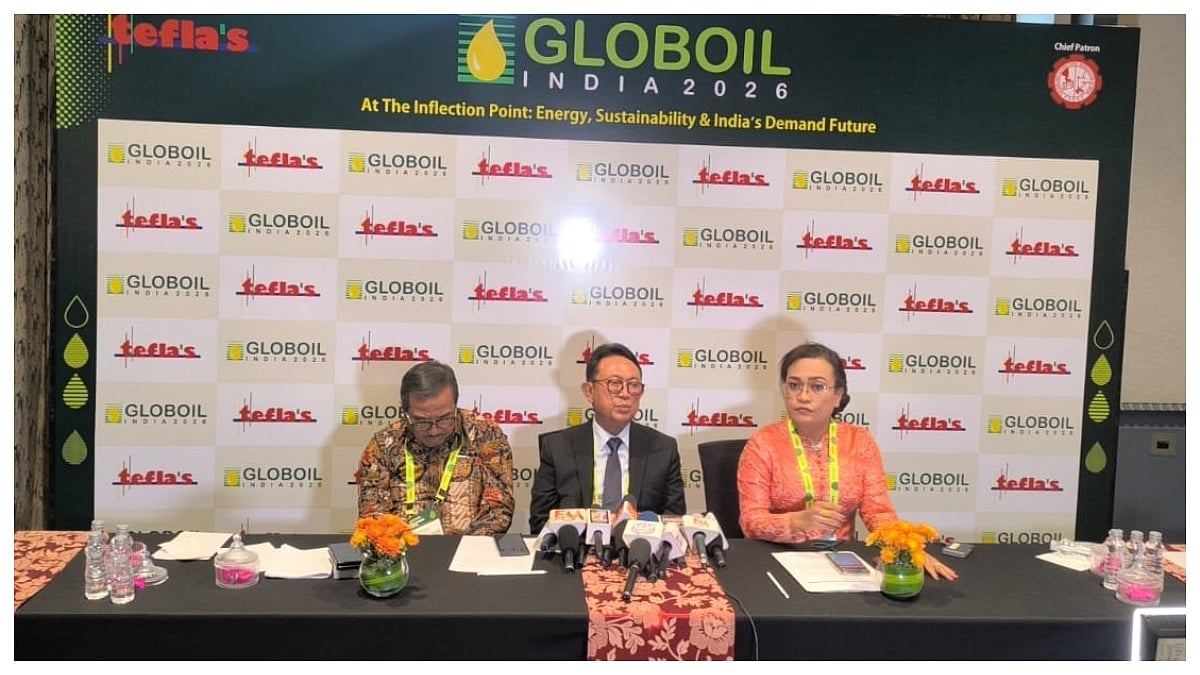
Mumbai: Indonesia’s palm oil industry is preparing for major policy changes in 2027 that could tighten export supplies and put upward pressure on global prices, the Indonesian Palm Oil Association (GAPKI) said at GLOBOIL India 2026.
Dr Mohamad Fadhil Hasan, GAPKI’s Head of Foreign Affairs, outlined the changes during the Palm Oil Session at the conference in Mumbai on September 30.
The briefing sought to give international buyers greater clarity about Indonesia’s changing regulatory framework and its possible impact on palm oil availability.
Indonesia’s Global Role
Indonesia remains the world’s biggest palm oil producer, accounting for about 57.5 per cent of global supply. Changes in its domestic and export policies can therefore have significant implications for international markets.
Hasan highlighted three major reforms covering export governance, commodity pricing and domestic biodiesel consumption.
Single-Gate Export System
Under the proposed export framework, strategic natural resources, including crude palm oil, will be channelled through state-owned PT Danantara Sumberdaya Indonesia.
During the transition period from June 1 to December 31, 2026, exporters can continue dealing directly with overseas buyers but must report transactions to the state entity.
From January 1, 2027, DSI is expected to become the exporter of record, handling contracts, permits, levies and foreign-exchange receipts for strategic commodity shipments.
New Indonesian Price Benchmark
Another major change is the proposed Strategic Minerals and Commodities Exchange, or BMKS, which is targeted for launch on January 1, 2027.
The exchange is expected to establish an independent Indonesia Reference Price for commodities including palm oil, reducing dependence on overseas benchmark exchanges.

GAPKI has supported the move while stressing the need for transparency, strong liquidity, traceability, efficient data sharing and freedom from conflicts of interest.
B50 Could Reduce Exports
Indonesia is also moving towards full implementation of its B50 biodiesel mandate in 2027.
Under B50, biodiesel will account for 50 per cent of the fuel blend. GAPKI said existing domestic biofuel production capacity should be sufficient to support the programme.
However, higher domestic consumption of palm oil for biodiesel could leave less crude palm oil available for international markets.
Global Prices Could Rise
GAPKI expects the combined impact of these reforms to reshape palm oil supply and pricing in 2027.
Higher domestic demand under B50 could tighten export availability, while the single-gate system would centralise oversight of shipments and foreign-exchange flows.
At the same time, the new commodities exchange could give Indonesia greater influence over global palm oil price formation.
With Indonesia dominating global production, tighter exports could put upward pressure on international palm oil prices. GAPKI stressed that effective implementation and sound governance will be critical to maintaining supply certainty for international buyers.

