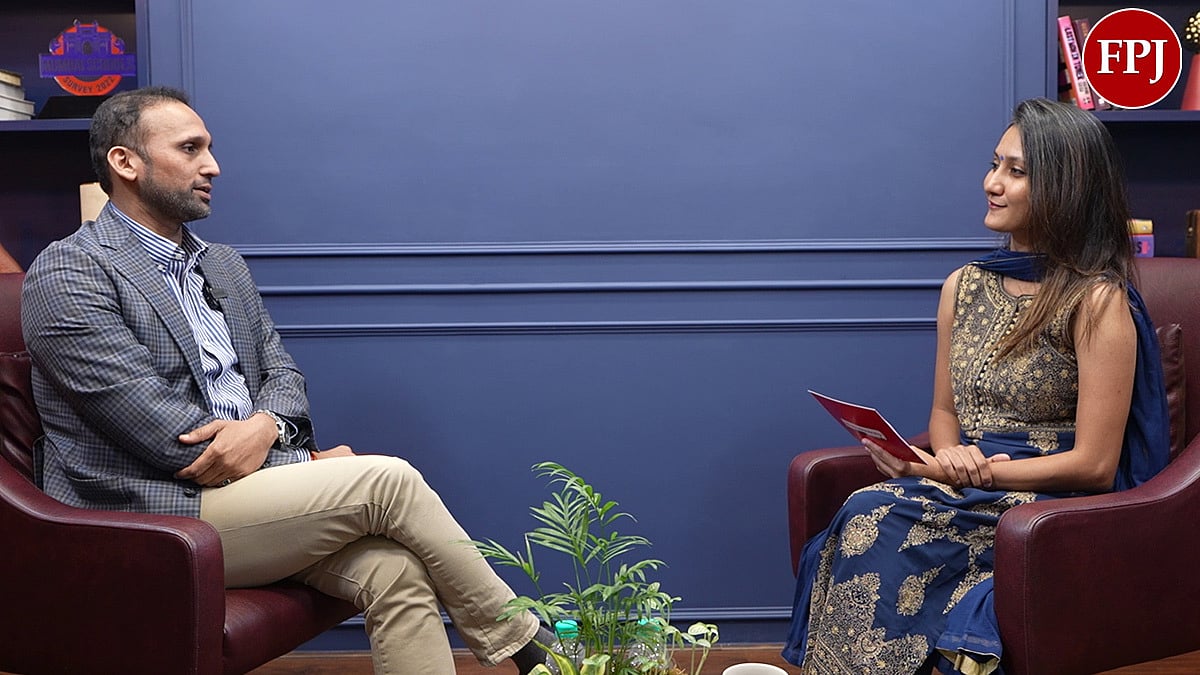
India’s IPO market could raise Rs 1.75 lakh crore to Rs 2.25 lakh crore next financial year, even as institutional investors grow more selective about pricing. Sheryll D’Souza of The Free Press Journal talked with Nikhil Khandelwal, Chairman and Managing Director of Systematix Group, about what drove the rush to list, why average issue sizes fell and what retail investors should scrutinise.
Why did so many companies go public even as the broader market struggled?
Much of the activity came from companies that had planned to list by March but had to defer because market conditions deteriorated. More than 100 companies were nearing the expiry of their approvals. The regulator gave eligible issuers six more months and allowed them to cut their issue size by up to 50 percent.
When conditions improved, many of those companies came to market within the same window. That explains why the July–September quarter was unusually busy.
Can domestic investors absorb this volume of IPOs?
Domestic investors, particularly institutions, can broadly support issues of up to around Rs 1,200 crore. Foreign participation becomes more important as issue sizes increase. Overseas investors were relatively cautious during this period, which kept demand for some of the largest offerings subdued.
The average IPO size fell to around Rs 1,400 crore this financial year from roughly Rs 1,800 crore in FY26, even as the market stayed busy.
Has the balance of power shifted towards IPO buyers?
Many companies listed at demanding valuations in 2025, and several went on to trade below their issue prices. That experience has made investors more disciplined and put pressure on bankers and issuers to leave room for returns after listing. A promoter may point to the multiple a comparable company secured. Buyers also want to know what earnings could look like a year from now and whether the offer price gives them enough upside.
Should investors be wary when existing shareholders account for much of the issue?
Offers for sale accounted for about 50–55 percent of the roughly Rs 1.6 lakh crore raised through IPOs so far this financial year. That is broadly in line with recent years. Venture capital and private equity investors that backed companies early will eventually want to sell some of their holdings. The question for a new shareholder is whether the company will have enough capital after listing to fund its growth plans.
When do you tell a profitable company it needs more time before listing?
We look at whether the board and management can operate with the accountability that comes with a public listing. A company can go from a handful of shareholders to lakhs of investors who expect quarterly disclosures and answers from management. We prefer companies to have practised those governance processes for at least a year.

Where gaps remain, we guide founders on strengthening the board, bringing in advisers and putting reporting systems in place.
What should retail investors look at instead of chasing a listing gain?
Start with the price-to-earnings multiple and compare it with those of listed peers. Look at the quality of the institutions in the anchor book and assess how the business can grow after listing. The grey market premium reflects informal bets on the listing price. If an IPO is priced at Rs 100 and the premium is Rs 10, that implies a speculative price of Rs 110. A shallow market like that can give investors a misleading signal.
How do you see the SME IPO market evolving?
SME exchanges give smaller companies a structured way to raise capital and can eventually provide a route to the main board. Tighter disclosure requirements and greater scrutiny of due diligence are changing which businesses come to market. The segment is going through a period of consolidation, and the stronger checks should help its long-term development.
What do you expect from the IPO market next financial year?
We could see Rs 1.75 lakh crore to Rs 2.25 lakh crore in IPOs, with a steadier calendar than the one we saw in July–September. Institutions are looking for businesses that stand apart from listed peers and are priced attractively. Investors should also watch what happens when lock-ins expire. Many private equity and venture capital backers sold only part of their holdings at listing. Some of the remaining shares could come to market through block deals, and the extra supply will test demand for recently listed companies.
Level up your brain the fun way. Play daily games and quizzes on FPJ Smart!

