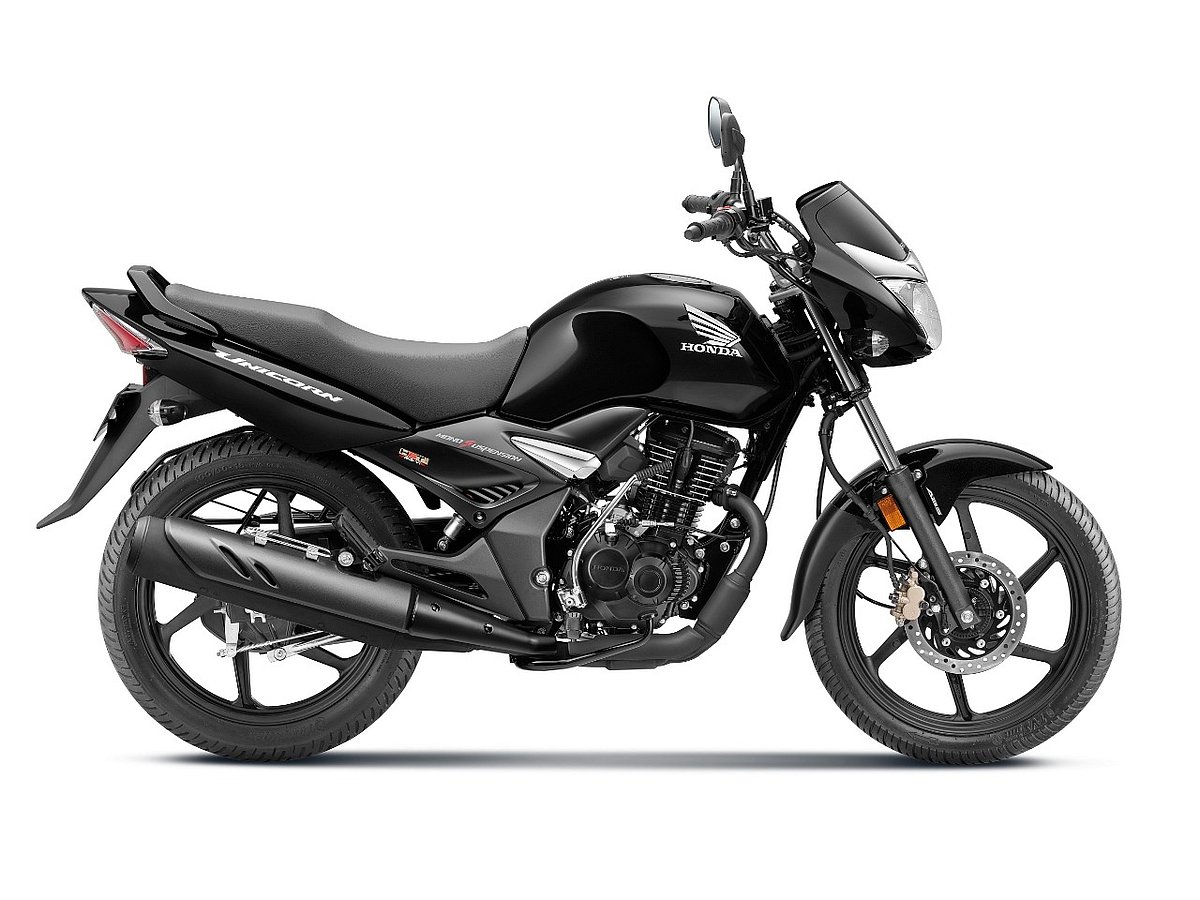
Honda Motorcycle and Scooter India crosses 15 lakh cumulative sales mark in Odisha

Honda Motorcycle and Scooter India crosses 15 lakh cumulative sales mark in Odisha

AgenciesUpdated: Friday, January 21, 2022, 05:13 PM IST
article-image
Honda Motorcycle and Scooter India stated that the two-wheeler maker is now the fastest growing two wheeler brand in the state. | File photo

Honda Motorcycle and Scooter India stated that its cumulative sales have crossed 15 lakh unit mark in Odisha.

The company said that catering to the rising demand for personal mobility with 32 per cent market share, the two-wheeler maker is now the fastest growing two wheeler brand in the state.

''We remain committed towards providing our customers with quality products and after-sales services closer to their place in the state,'' stated HMSI Director (Sales & Marketing) Yadvinder Singh Guleria.

Honda Motorcycle and Scooter India, Private Limited is the wholly owned Indian subsidiary of Honda Motor Company, Limited, Japan. Founded in 1999, it was the fourth Honda automotive venture in India, after Kinetic Honda Motor Ltd, Hero Honda and Honda Siel Cars India.

(With inputs from PTI)

RECENT STORIES

Gold Crashes ₹14,000, Silver Slumps ₹20,000 In A Day As Profit-Taking, Strong Dollar Hit Bullion
India’s Hotel Industry Earnings Seen Growing 16–21 Per Cent Through FY28 On Strong Demand:...
India’s Fiscal Deficit Touches 54.5 Per Cent Of Full-Year Target In April–December Period
India’s Forex Reserves Hit All-Time High Of $709.413 Billion Ahead Of Budget 2026
Budget 2026: Will There Be A Balancing Act Between Middle-Class Tax Relief and Fiscal Consolidation?
