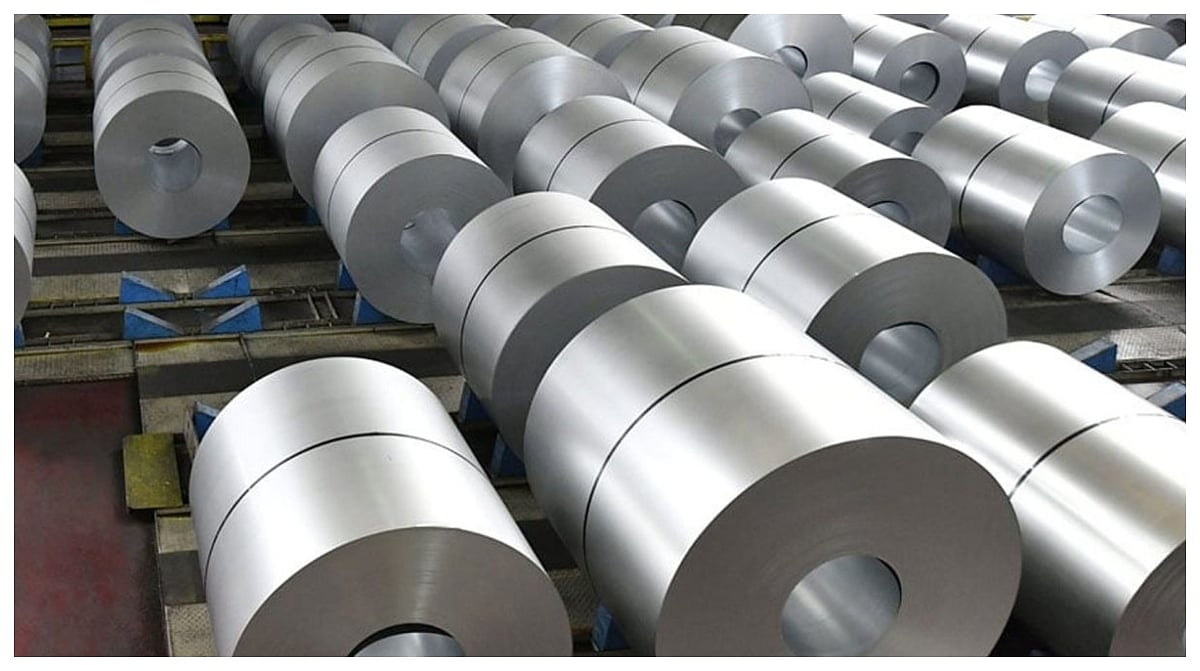
Green steel projects across the world are facing increasing delays, with industry associations warning that inadequate government support and financing gaps are putting the sector’s decarbonisation goals at risk. The issue was highlighted during an annual steel industry meeting held in Singapore, Reuters reported.
According to the World Steel Association, around 50% of planned green steel projects globally have already been delayed. While the sector requires an estimated $1.5 trillion to transition toward low-carbon production, governments have committed only about $20 billion so far, leaving a massive funding shortfall.
Industry executives noted that progress in reducing emissions in steelmaking has been slow and is expected to remain constrained unless there is a significant rise in public investment or stronger willingness from customers to pay a premium for cleaner steel.
Green steel, which refers to steel produced with a significantly lower carbon footprint, is considered crucial because the steel industry accounts for approximately 7% to 9% of global greenhouse gas emissions.
However, current project pipelines suggest that only about 70 million metric tons of green steel production capacity will be achieved annually by the end of the decade. This is minimal compared to an expected total global steel production of around 2 billion tons.
Shaoliang Zhong, deputy secretary general of the World Steel Association, said that roughly half of these already limited projects have been delayed due to financing constraints, weak demand and shortages of green hydrogen. Green hydrogen is seen as a potential replacement for coal in blast furnace operations.
Zhong also noted that despite industry commitments over the past decade, the emissions intensity of steel production has remained largely unchanged.

Participants at the conference said many buyers are still unwilling to pay higher prices for green steel, while investments in traditional blast furnace capacity continue, particularly in India and Southeast Asia. These conventional facilities, with lifespans of up to 40 years, risk locking in long-term emissions.
OECD data indicates that new blast furnace capacity being added in these regions is comparable to the entire global green steel pipeline.
Industry voices stressed that survival remains a priority for producers, with one delegate noting that demand-side reforms are as important as supply-side initiatives. They also called for governments to mandate the use of green steel in infrastructure projects to accelerate adoption.

