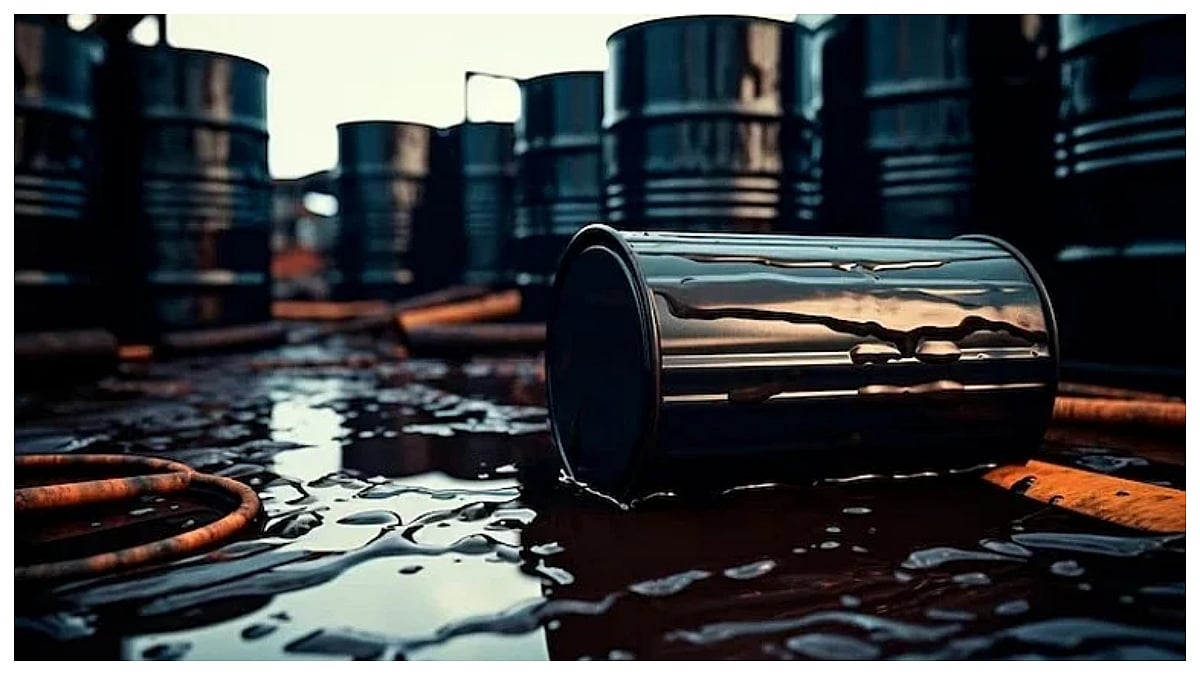
Mumbai: Crude oil prices are about to end the year with a sharp decline, marking the biggest yearly fall since 2020. This drop is mainly due to weak global demand and high supply from oil-producing countries. The situation has created pressure across global markets, raising concerns about future price stability.
West Texas Intermediate (WTI), the US crude benchmark, has fallen below 58 dollars per barrel. Over the year, WTI has lost nearly 20 percent of its value. At the same time, Brent crude for March delivery is trading close to 61 dollars per barrel. These levels show how strongly the oil market has been affected by oversupply and slow consumption.
Weak Demand and Rising Supply Create Pressure
The main reason behind this fall is slower economic activity worldwide, which has reduced the demand for oil. At the same time, OPEC+ countries and other oil producers have continued pumping large volumes of crude. According to reports, OPEC expects a small surplus next year, while agencies like the International Energy Agency warn of a much larger supply glut.
This imbalance between supply and demand has kept oil prices under pressure for months. Traders and investors are now cautious, as future production decisions could change the direction of the market.
January 4 OPEC+ Meeting in Focus
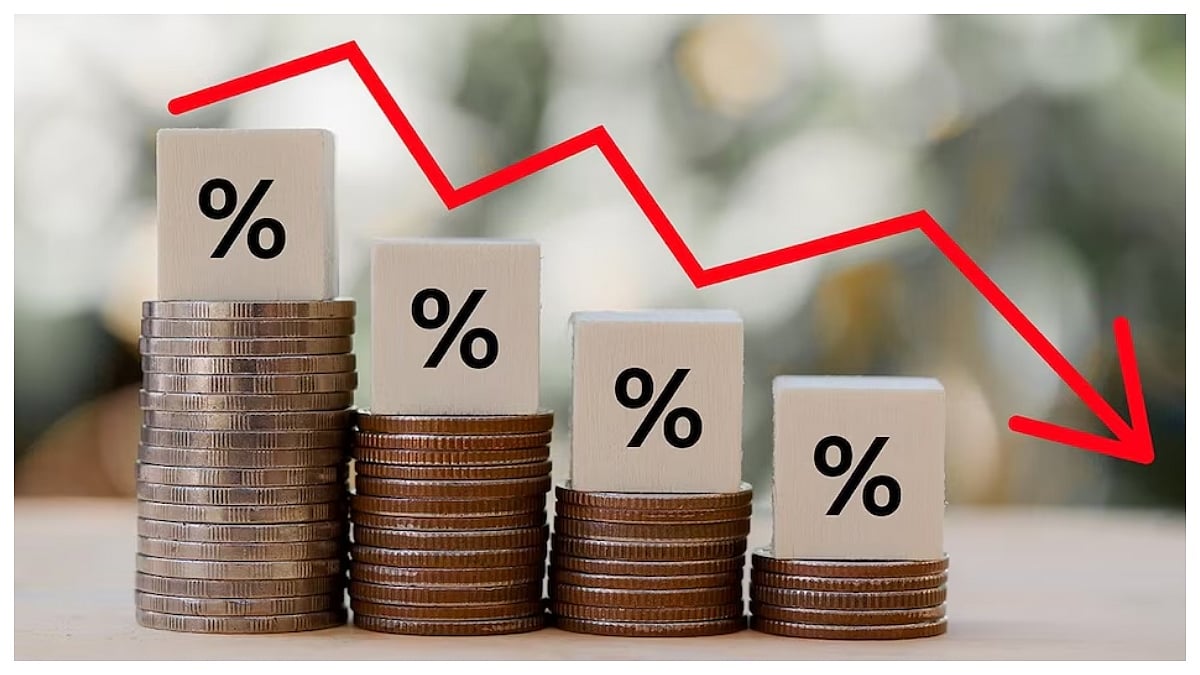
All eyes are now on the OPEC+ meeting scheduled for January 4, to be held via video conference. According to three representatives, member countries may decide to pause any further increase in oil production. This step could help control the growing surplus in the market.
The decision taken in this meeting is expected to play a major role in deciding oil prices in the coming months. A production cut or freeze could support prices, while more supply could push them lower.
Venezuela and US Inventory Add to Market Tension
The American Petroleum Institute recently reported that US crude oil inventories rose by 1.7 million barrels last week, the biggest increase since November. Diesel and petrol stocks also went up, adding more pressure on prices.
Meanwhile, there is growing attention on Venezuela. The US is closely watching partial restrictions on Venezuelan oil. Former President Donald Trump also mentioned a secret operation linked to drug trafficking, which could increase pressure on Venezuela. This has added more uncertainty to the global oil market.

