Mumbai: The government has approved the initial public offering (IPO) plan of India Infrastructure Finance Company Ltd (IIFCL). The clearance was given by the Cabinet Committee on Economic Affairs, allowing the company to move ahead with its stock market listing.
The approval has been formally communicated by the Department of Investment and Public Asset Management (DIPAM), said IIFCL’s Managing Director Rohit Rishi.
The company is now preparing and submitting the required details to finalise the IPO process. The listing is likely to happen in the next financial year.

Part of Government Disinvestment Plan
The IPO is part of the government’s larger plan to disinvest and list public sector companies. Currently, IIFCL is fully owned by the central government.
Founded in 2006, IIFCL provides long-term loans for infrastructure projects such as roads, power, ports and other major developments.
As of March 31, 2025, the company had an authorised capital of Rs 10,000 crore and a paid-up capital of Rs 9,999.92 crore. It is registered as an NBFC-ND-IFC with the Reserve Bank of India and follows all regulatory norms.

Strong Financial Performance
IIFCL reported strong financial results for FY25. Its net profit rose 39 per cent to Rs 2,165 crore, compared to Rs 1,552 crore in the previous year.
The company also recorded a record Profit Before Tax (PBT) of Rs 2,776 crore, up 37 per cent year-on-year.
It achieved its highest-ever annual sanctions of Rs 51,124 crore and disbursements of Rs 28,501 crore in the last financial year. As of January 31, 2026, sanctions have already reached Rs 53,217 crore, showing continued growth.
Vision for the Future
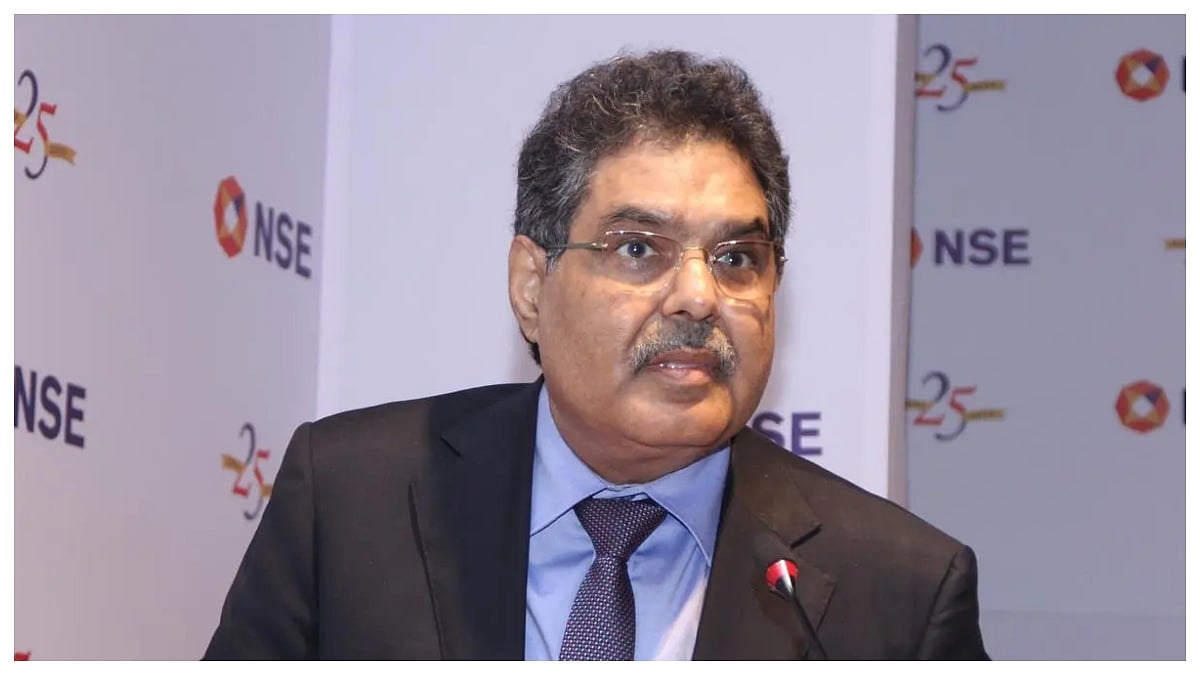
Rohit Rishi, who took charge last month, said infrastructure financing will play a key role in India’s journey towards becoming a developed nation by 2047.
He outlined three goals for IIFCL: Improve, Develop and Transform. The company plans to strengthen risk management, use technology and AI for better monitoring, and expand funding sources.
IIFCL will also focus on new sectors such as renewable energy, digital infrastructure, electric vehicles and green hydrogen, aiming to support long-term nation-building.

