
Mumbai: While industry experts and executives expect infrastructure-related spending to remain strong, infrastructure and energy firms seek more streamlined policies, with increased focus on green and new energy initiatives, say industry executives.
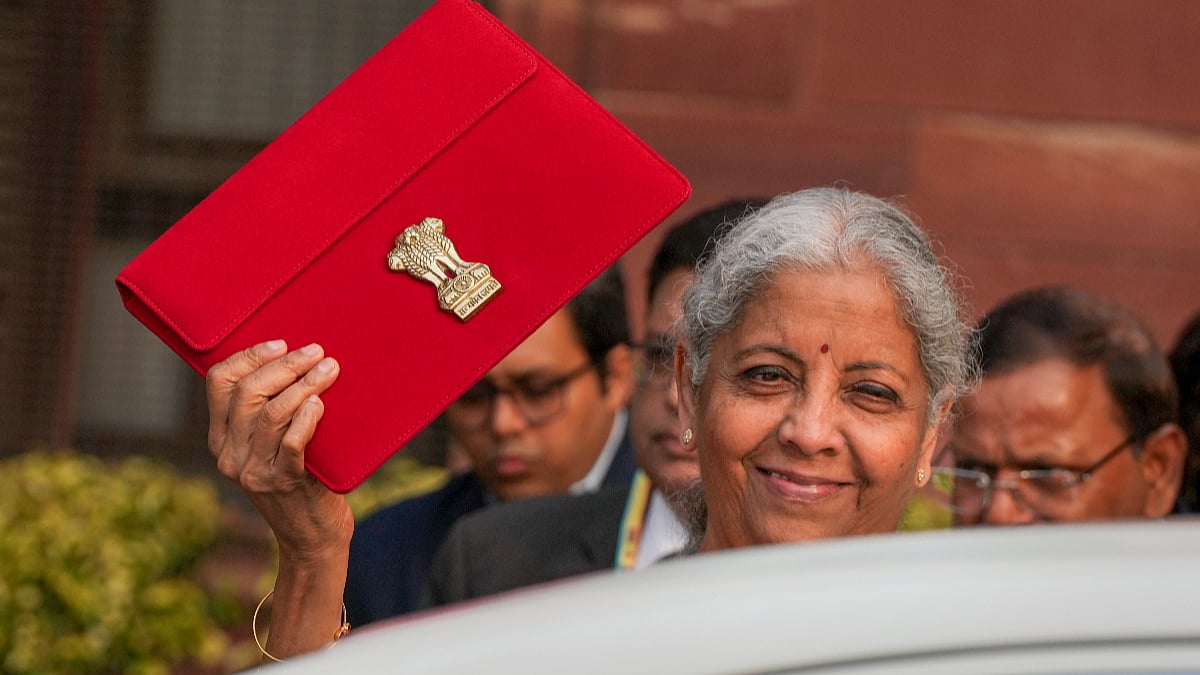
Nirmala Sitharaman, India’s finance minister will make her budget speech for the upcoming financial year on February 1st. Over the last few years, the capital outlay has been robust, in turn sprucing infrastructure spending. With projects in place, industry executives, in addition to sustained spending, are now also seeking framework to ease project delays, single-window clearances and special focus on certain sub-segments to improve overall project execution.

In terms of infrastructure spending, India’s Union Budget 2026 -27 must sustain the infrastructure-led growth trajectory with a capex outlay near Rs 12 lakh crore, reinforcing roads, railways and logistics to unlock economic multipliers, said Jagannarayan Padmanabhan, Senior Director & Global Head - Consulting, Crisil Intelligence. Those at ICRA expect this capital expenditure target to be set at Rs. 13.1 lakh crore for FY2027, entailing ~14 percent expansion over the expected turnout in FY2026.
Of these allocations, infrastructure and energy firms remain hopeful of increased focus for certain sub segments. For instance, Kavita Shirvaikar, managing director for Patel Engineering, an engineering, procurement and construction firm noted, “the industry expects continued emphasis on infrastructure-led growth, with higher allocations for hydropower, transmission and (energy) storage projects.”
At the centre of these expectations, is India’s own target of achieving 500 gigawatt of non-fossil energy by 2030. Strategic policy and fiscal support in these areas will be essential to advancing this non-fossil energy target and building robust, future-ready infrastructure, Shirvaikar added.
Others such as Vivek Bhatia, Chairman CII Mining & Construction Equipment Division (MCED) noted, are hopeful of higher spends. “Domestic demand should be sustained through continued investment in infrastructure by the Government. In fact, given the robust tax collections and improving fiscal health, this budget is an opportune time to increase capex as a share of government spending.”
Bhatia also listed, introducing innovation funds for heavy industry, enforcing stricter pre-qualification norms in public sector tenders, and creating compensation frameworks for project delays not attributable to developers, as some of the other measures, which the industry will look forward to.
Others from the energy segment noted, the renewable energy sector anticipates measures that streamline regulatory approvals and land acquisition processes for large-scale projects and a policy focus on single-window clearances.
Chandra Kishore Thakur, Global chief executive officer, Sterling and Wilson Renewable Energy Group said, “the renewable energy sector anticipates measures that streamline regulatory approvals and land acquisition processes for large-scale projects. Enhanced budgetary support for transmission line development and evacuation infrastructure will be essential to align execution timelines with national targets.”

