Jabalpur (Madhya Pradesh): A communication lapse at Madhya Pradesh’s Jabalpur Railway Station caused confusion and inconvenience for hundreds of passengers travelling on the Jabalpur-Bandra Express.
Passengers alleged that they were not informed in time about the closure of Platform No. 2, forcing them to rush to other platforms at the last moment.
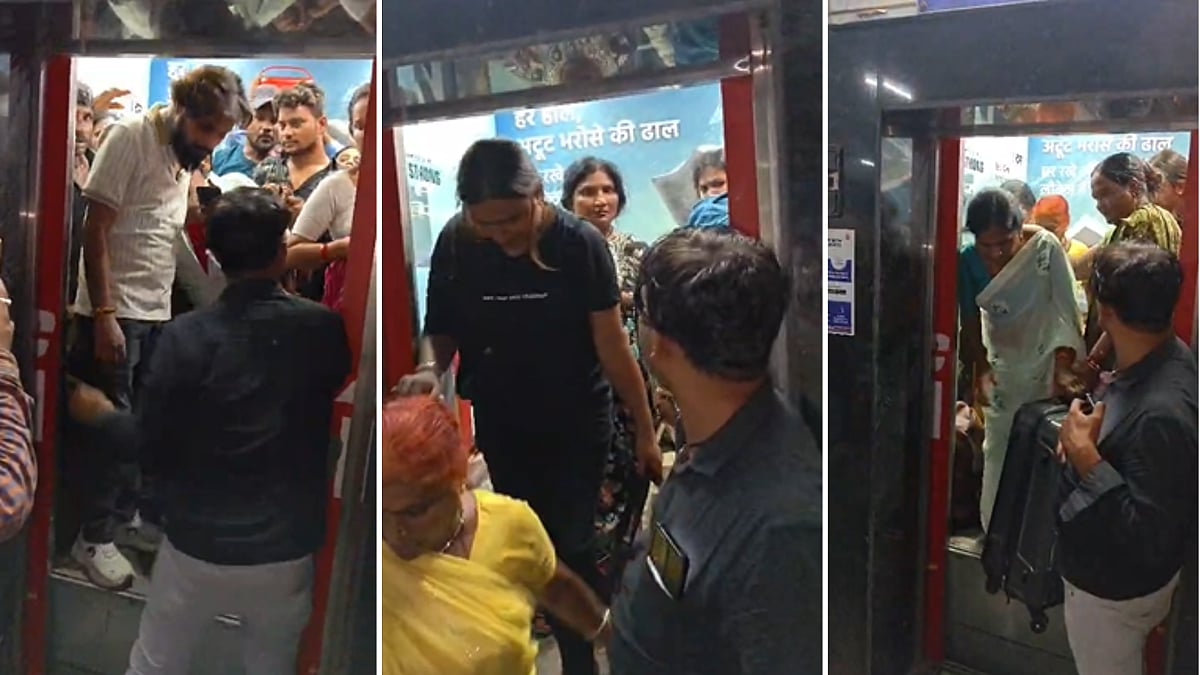
According to eyewitnesses, several passengers had reached Platform No. 2 and were waiting for the train when they suddenly found that the platform had been closed and access routes had been blocked.
They were later asked to move to Platforms 5 and 6 to board the train.
The sudden change led to panic-like situations at the station as a large number of passengers rushed with their luggage to the alternate platforms.
Many passengers had to cover a longer distance, causing major inconvenience, especially to elderly people, women, children and those carrying heavy bags.
Passengers claimed that the railway administration failed to make a clear and timely announcement about the platform change.
They said proper information in advance could have helped them reach the correct platform without confusion and unnecessary delays.
Railway sources said changes in platform arrangements were made due to ongoing redevelopment work at the station.

However, passengers pointed out that while such changes may be necessary during construction, it is the railway’s responsibility to ensure that travellers receive timely and accurate information.
Several passengers raised concerns over the station’s announcement system and demanded better coordination through public announcements, digital display boards and clear signage.
They said such confusion during peak hours could lead to serious safety issues if not addressed.
Passengers have urged railway authorities to ensure that any changes in platform arrangements are announced repeatedly and displayed clearly on information boards to avoid similar incidents in the future.
The incident has once again raised questions about passenger communication and crowd management at railway stations.