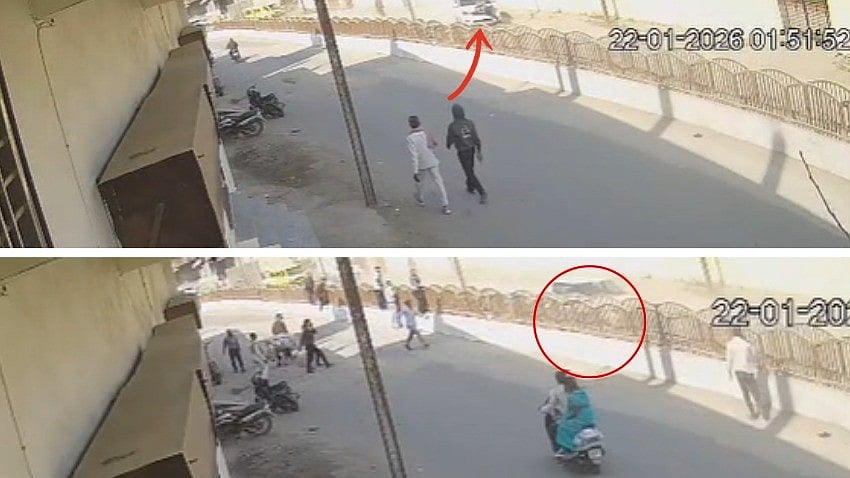
Morena (Madhya Pradesh): A 65-year-old man was run over by two cars one after the other in Morena.
CCTV footage that surfaced seven days later on Friday, has raised suspicions that the incident may have been a planned attack rather than a road accident.
The footage shows, a speeding white Scorpio hit him from behind, running over him, and just ten seconds later, a white Swift car also ran over him while he lay on the road.
Watch the disturbing video below :
According to information, the victim, Munna Sharma, was returning home when the tragedy occurred on Balaji Palace Marriage Garden Road.
Reports said a speeding white Scorpio hit him from behind, running over him, and just ten seconds later, a white Swift car also ran over him while he lay on the road. Sharma died instantly at the scene.
From the start, Munna Sharma’s family suspected foul play. They said that the fact that two cars struck him in quick succession made it unlikely to be a normal accident.
After checking the nearby area, the family managed to find CCTV footage capturing the full incident.
The video clearly shows the white Scorpio, without a number plate, hitting Sharma first, followed by the white Swift car.
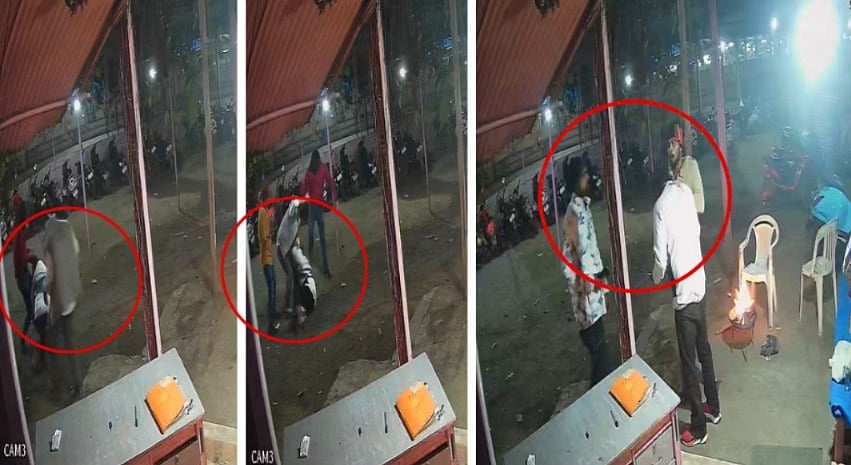
Family suspect foul play
According to the family, Munna Sharma had been involved in licensed money-lending work for a long time. They suspect the incident could be linked to a dispute over money or personal rivalry.
His son, Neelendra Sharma, said, “My father’s death is not an accident. The CCTV clearly shows that two cars ran over him. This was a planned attack. We have given the footage to the police, and now it is their responsibility to uncover the truth.”

The local police confirmed that a case under Section 304 (culpable homicide) has been registered.
Kotwali Station House Officer Amit Bhadouria said, “We have received the CCTV footage from the family and are examining it. The video shows the victim was hit from behind. At first glance, it appears to be a planned attack. The suspect has been identified and will be questioned in the presence of the complainant.”

