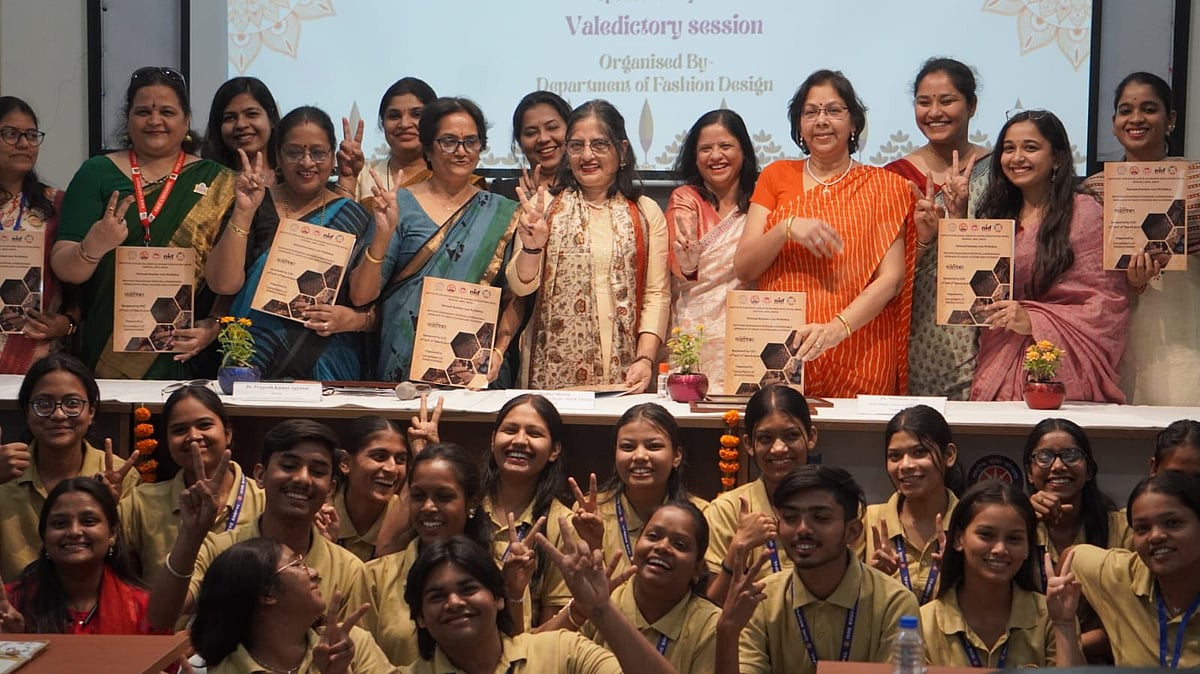
Bhopal (Madhya Pradesh): The Department of Fashion Design at Institute of Excellence in Higher Education recently hosted a thoughtful and engaging session at Barkatullah University titled “Reviving Indigenous Textiles: A Sustainable Approach to Craft, Culture and Clothing.”
The event brought together policymakers, industry leaders and craft experts to reflect on the future of India’s textile heritage in a modern, sustainability-driven world.
The programme was graced by Chief Guest Madan Vibhishan Nagargoje, Managing Director of the Sant Ravidas Madhya Pradesh Hastshilp evam Hathkargha Vikas Nigam Limited. He highlighted the urgent need to strengthen handloom and handicraft ecosystems in Madhya Pradesh. He emphasized that preserving indigenous textiles is not just about cultural pride, but also about empowering artisan communities and ensuring their economic resilience. Special Guest Nagendra Mehta echoed similar sentiments, underlining the role of art and craft in promoting sustainable tourism and preserving regional identity.
FP Photo
Eri and Muga silk boost livelihoods in rural areas
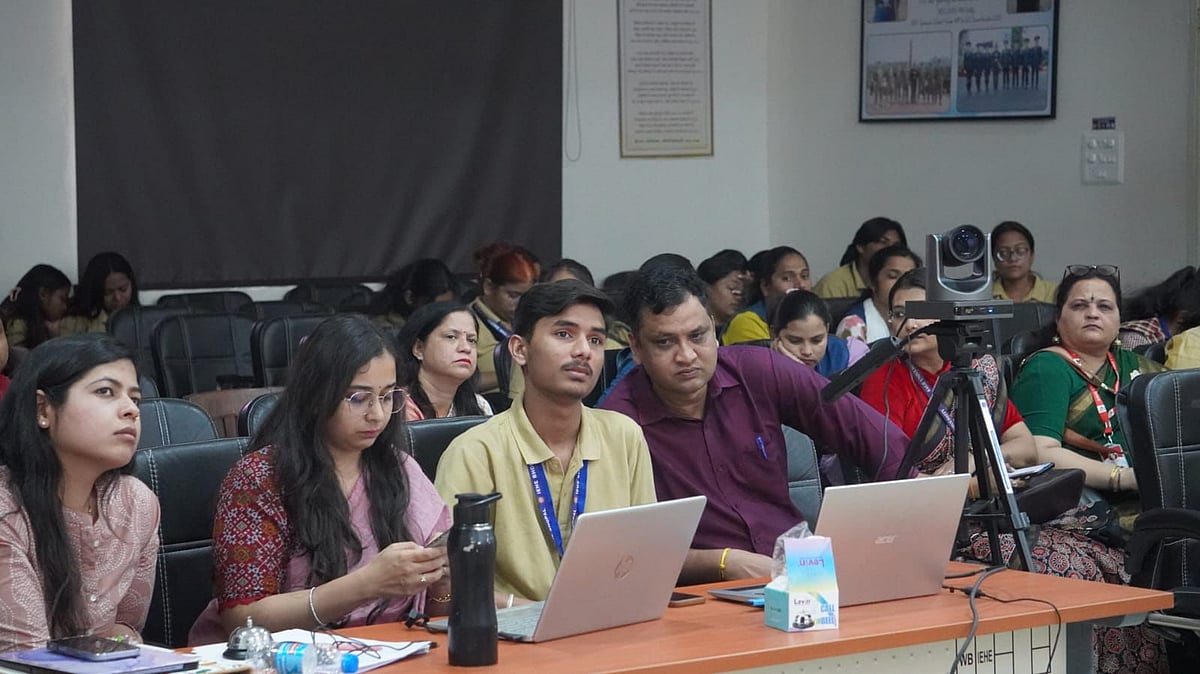
A key highlight of the event was the panel discussion featuring experts from diverse domains, each bringing unique insights into the textile and craft sector. Rakesh K Srivastava spoke extensively about the evolution of sericulture in Madhya Pradesh. Drawing from decades of experience, he explained how the introduction of Eri and Muga silk has expanded livelihood opportunities for rural communities

Rajkumar Singh | FP Photo
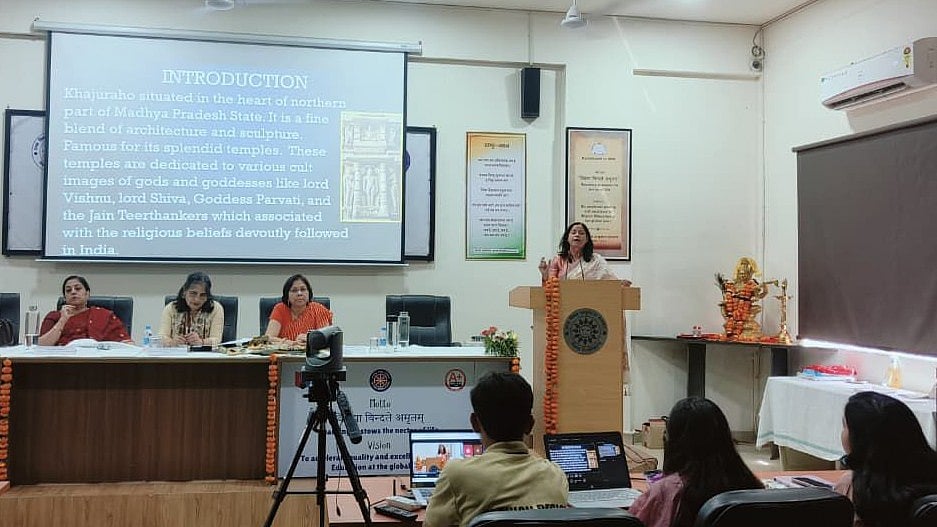
Panel discussion featuring experts Rakesh K Srivastava, Rajkumar Singh, and Vinod Maleyvar formed the core of the session. The discussion revolved around key themes such as the history of indigenous textiles in India and beyond, and how traditional techniques continue to hold sustainable value in today’s fashion landscape.

The panel also explored the deep cultural narratives and symbolism embedded within textiles, highlighting how fabrics often serve as storytellers of regional identity and heritage. Environmental benefits of indigenous craft systems were discussed at length, with a focus on their low-impact, eco-friendly processes that align naturally with sustainable practices.
FP Photo
At the same time, the experts addressed the pressing challenges and threats faced by the sector, including declining artisan engagement, market competition, and the impact of fast fashion.

FP Photo
The conversation further extended to modern applications and emerging opportunities, encouraging innovation and adaptation to ensure that traditional crafts remain relevant in contemporary markets.
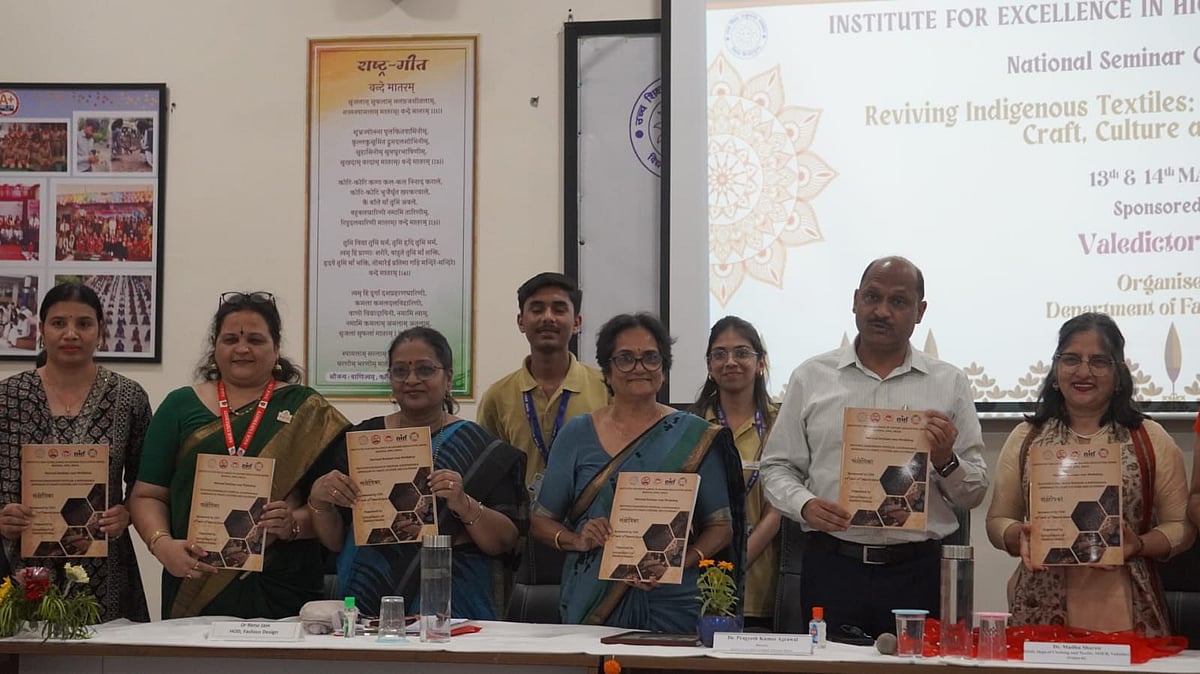
The session concluded with a shared understanding that reviving indigenous textiles requires a collective effort—blending tradition, sustainability and modern design thinking to secure the future of India’s craft legacy.