
Well-known lawyer and social activist Flavia Agnes began her journey of helping women with legal aid in cases of domestic violence, sexual harassment and divorce in 1991 through her organisation Majlis. Agnes, who is a domestic violence survivor and has faced the legal, emotional and social challenges first-hand, has made it her life’s mission to support women confronting similar struggles.
“After I became a lawyer due to my own experience with litigation, I found that most lawyers lacked understanding and sensitivity towards women facing domestic violence, and even judges did not always display that sensitivity. So I felt that I would be able to represent women better. That is what led me to start the organisation 34 years ago. The aim was to provide quality legal support at a very reduced rate, or pro bono if they were poor,” she shares.
Majlis has a team of lawyers and support persons who conduct socio-legal interventions for survivors. “Earlier, we focused only on legal work, but now we have started addressing both social and legal aspects because women need help on both fronts. So when a woman approaches us, there are two different strategies for domestic violence and sexual violence,” she explains.
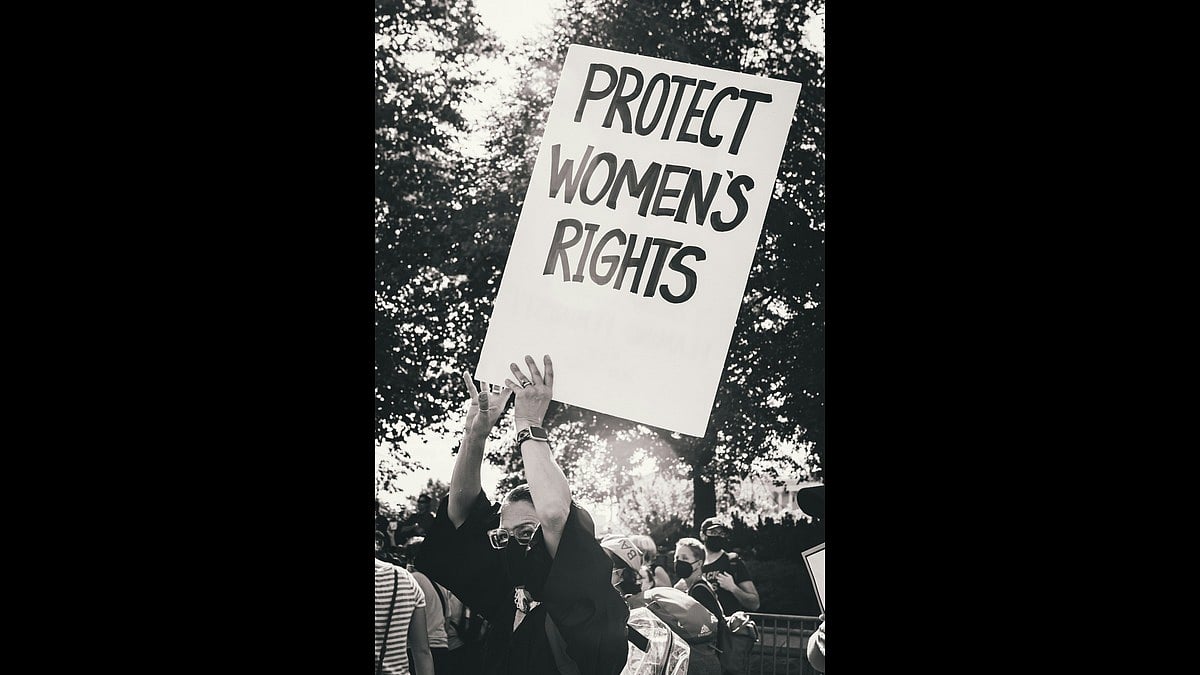
Gayatri Malhotra/Unsplash |
The organisation helps survivors address questions such as: Do they want to pursue litigation? Do they want to wait? Do they want a divorce? Do they only want a restraining order? Do they want to prevent the husband from leaving the home? What alternatives do they have? If they want to leave the house, where will they go? If they have children, what about custody, education and overall support?
Agnes explains that after counselling and fully understanding each situation, the organisation provides support based on the choices the woman makes. “However, even after litigating on their behalf, many women decide to withdraw during the court proceedings. This is a huge challenge for organisations like us,” she says. She adds that the lack of judicial sensitivity until a few years ago was also a major hurdle in securing justice. There has been some progress following the implementation of more stringent laws, but it remains an uphill battle. In spite of all odds, Majlis’ work has impacted over 1,00,000 lives.
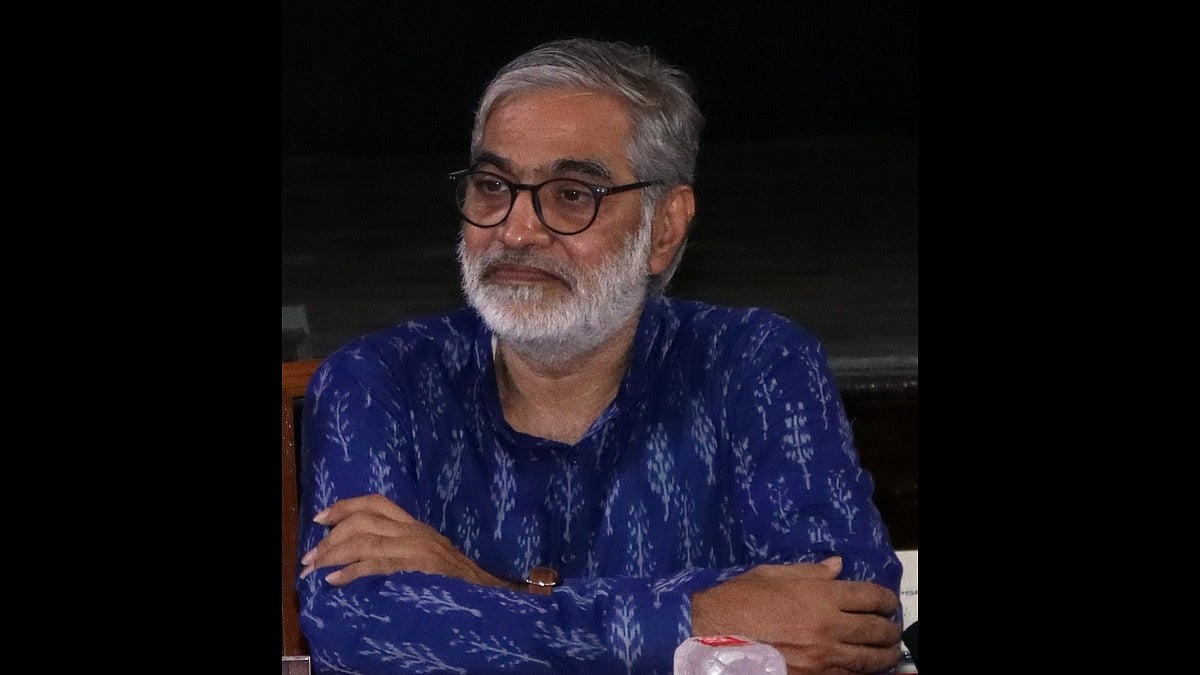
Adv. Irfan Engineer, Director, Centre for Study of Society and Secularism |
Adv. Irfan Engineer, Director, Centre for Study of Society and Secularism, shares, “As a lawyer, she founded Majlis and became a pillar of support for women facing domestic violence. Beyond offering individual assistance and fighting cases in court, she played a crucial role in shaping more women-friendly interpretations of the law. Her work influenced how rape laws were understood and applied, helping increase conviction rates by highlighting gaps that often allowed accused persons to be acquitted. She consistently raised key issues that strengthened the legal framework. The reforms in sexual assault laws and the shift toward more gender-just, women-centric legislation owe much to Flavia’s contributions.”

