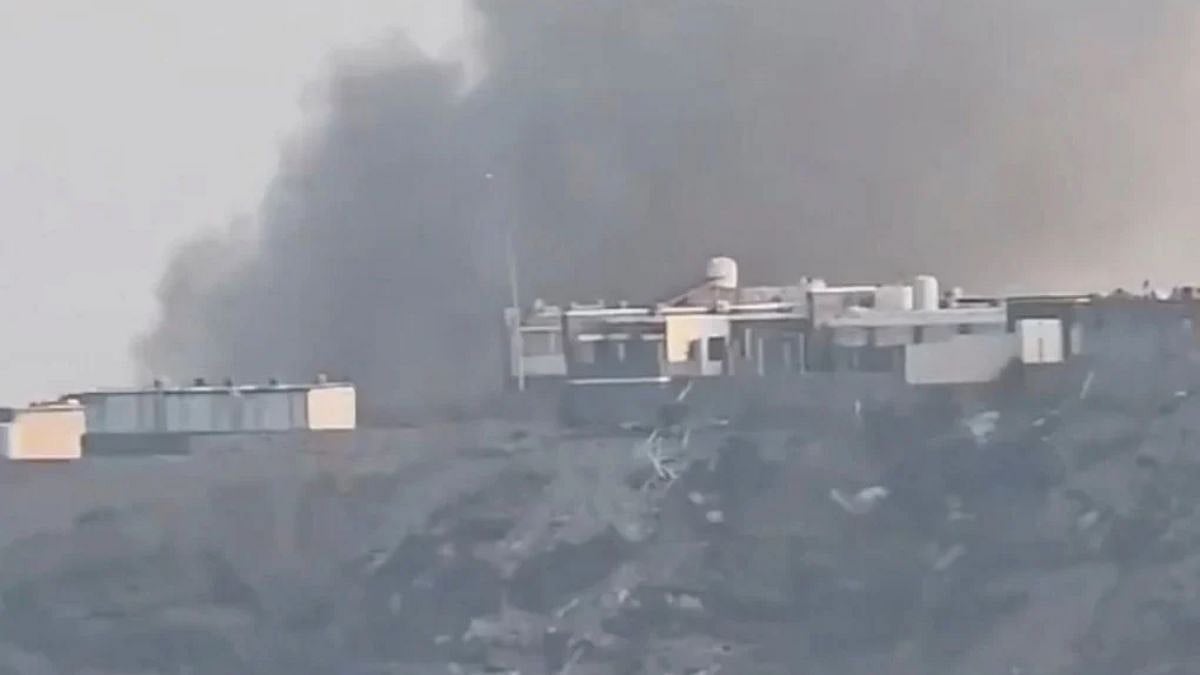
Aden: Five people were killed and 16 injured in a Houthi attack targeting the al-Maashiq Presidential Palace in Yemen's southern city of Aden, Al Jazeera reported, citing Yemeni Health Minister Qasim Mohammed Buhaibeh, amid escalating hostilities between the Houthi movement and government forces.
In a post on X, Houthi rebels spokesperson Yahya Saree on Thursday claimed responsibility for the attack, saying, "The bombing of the Saudi enemy's war operations headquarters in Aden comes within the context of the announced equation of striking Saudi mobilizations wherever they may be, and considering any military presence of the Saudi enemy a legitimate target for our forces wherever it may be."
Chairman of Yemen’s Presidential Leadership Council Rashad al-Alimi called the attack an “extension” of strikes against airports and oil facilities in Yemen and Saudi Arabia, Al Jazeera reported. Al-Alimi said he had directed government forces to “take the necessary measures to protect state institutions, counter terrorist threats, and respond appropriately to sources of danger”.
He added that the “Dawn of Yemen” operation, launched earlier this month, was proceeding towards its objective of “restoring state institutions and extending state authority across the entire national territory, ultimately reaching the capital, Sanaa.”
According to Al Arabiya, Yemen’s Minister of Youth Nayef Saleh al-Bakri said all cabinet ministers in Aden were unharmed and asserted that members of the government would not leave the city following the attack.
Meanwhile, Yemeni government forces claimed to have carried out 1,250 attacks against Houthi positions in the preceding 24 hours as part of the “Dawn of Yemen” campaign. Government forces spokesperson Majed al-Nuzaili said in a post on X that the operations involved combat aircraft, drones, artillery and rocket launchers and destroyed 150 Houthi vehicles. He said the attacks contributed to the destruction of Houthi fortifications, “particularly on the Taiz fronts”.
Separately, the Marib Governorate Media Office said in an official press release that the Houthis fired nine ballistic missiles and seven other projectiles at Marib city on Thursday evening.
The office condemned the attacks as “a flagrant violation of international laws and norms prohibiting attacks on civilians and civilian infrastructure”. It warned that “continued missile attacks on populated areas” represented “a dangerous escalation threatening civilian lives and security” and urged the international community, the United Nations, and humanitarian and human rights organisations to “take concrete action to protect civilians and hold those responsible accountable”.
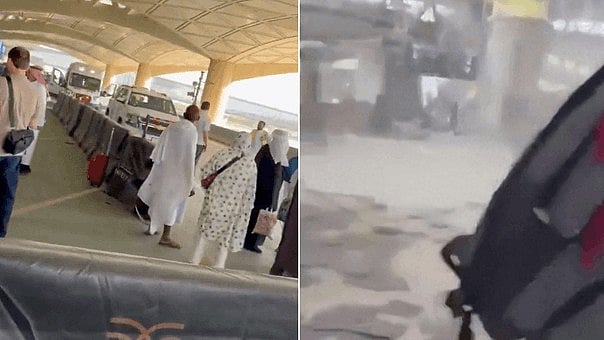
The escalation follows Houthi claims of attacks on Saudi energy infrastructure and King Khalid International Airport in Riyadh on Wednesday. Houthi rebels spokesperson Yahya Saree said in a statement posted on X that the group had targeted Saudi Aramco facilities in the Eastern Province, the Ras Tanura refinery and the airport using ballistic missiles, cruise missiles and drones.
Saree said the operation was in response to "Saudi aggression" against Yemen. He alleged that the strikes caused destruction and fires at the targeted sites, but the claims have not been independently verified. He warned that Houthi operations against Saudi territory would continue, declaring airports and oil installations “legitimate targets” for the group’s armed forces.
In another post on X on Thursday, Saree alleged that "Saudi warplanes conducted 65 airstrikes and missile attacks targeting civilian assets in the capital Sana'a and the provinces of Lahj, Hodeidah, Taiz, Amran, Saada, and Marib, carried out via F-15 and Typhoon aircraft that took off from Khamis Mushait and Taif airbases, with the missile aggression launched from Najran. This brings the total number of Saudi aggression airstrikes and missiles since the escalation against our country to 2388 airstrikes and missiles."
Saree claimed the cumulative number of Saudi airstrikes and missile attacks since the escalation began had reached 2,388. These figures and allegations have not been independently verified.
Saudi Deputy Foreign Minister for Public Diplomacy Rayed Krimly accused Iran of encouraging the escalation, Al Jazeera reported. Krimly said Tehran continued to “arm, train and support the Houthi militia in violation of relevant UN Security Council resolutions and in violation of its commitments in the Beijing agreement”, referring to the Saudi-Iranian agreement brokered by China in March 2023.
Krimly also alleged that elements in Russia and China were providing Iran and the Houthis with capabilities or intelligence, including through commercial channels.
“Of course, some of the capabilities of Iran, and of the Houthis, do come – or the intelligence – do come from at least elements in Russia or China, even commercial elements sometimes, but we do discuss these matters regularly with China and Russia, and we will continue to do so,” he said, according to Al Jazeera.
Meanwhile, French Foreign Ministry spokesperson Pascal Confavreux said France had begun deploying military assets in Saudi Arabia to help protect its oil facilities, Al Jazeera reported. French President Emmanuel Macron had said last month that France would send troops and defence systems to protect Yanbu, a key Red Sea energy transport hub.
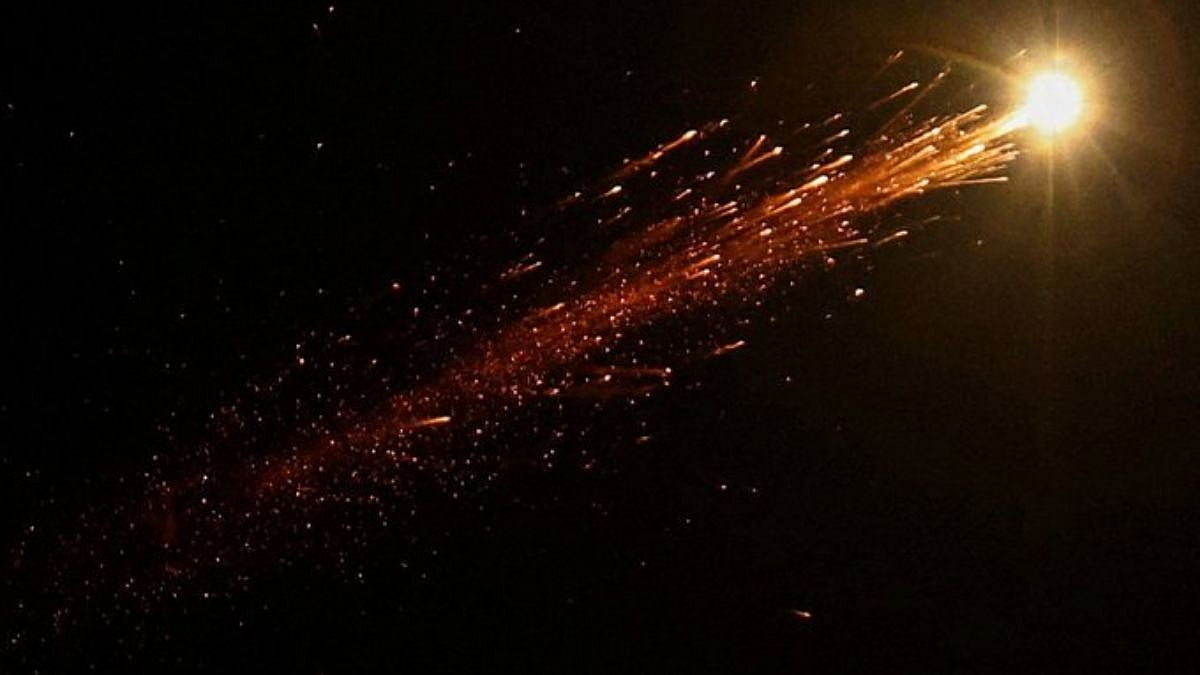
The Saudi-led coalition also warned civilians earlier in the week to evacuate the Al-Sabahah Central Station of the Yemeni Oil Company in Houthi-controlled Sanaa ahead of a planned military operation. The coalition said it had intercepted two ballistic missiles targeting Khamis Mushait and neutralised three unmanned aerial vehicles north of Riyadh. The Houthis separately claimed to have downed a Saudi reconnaissance aircraft. These claims have not been independently verified.
Separately, Yemen’s Foreign Minister Afrah al-Zouba called on European countries to take a firmer stance on the fighting in Taiz. According to the Yemeni Foreign Ministry, she discussed the clashes and worsening humanitarian conditions, including displacement in southern and western areas, with European Union Ambassador to Yemen Patrick Simonnet.
The conflict intensified in 2014 when the Houthis seized Sanaa and ousted the internationally recognised government, prompting a Saudi-led military intervention in 2015. The latest escalation has raised concerns over regional security, energy supplies and maritime trade through the Red Sea and the strategically important Bab al-Mandeb Strait.
(Except for the headline, this article has not been edited by FPJ's editorial team and is auto-generated from an agency feed.)

