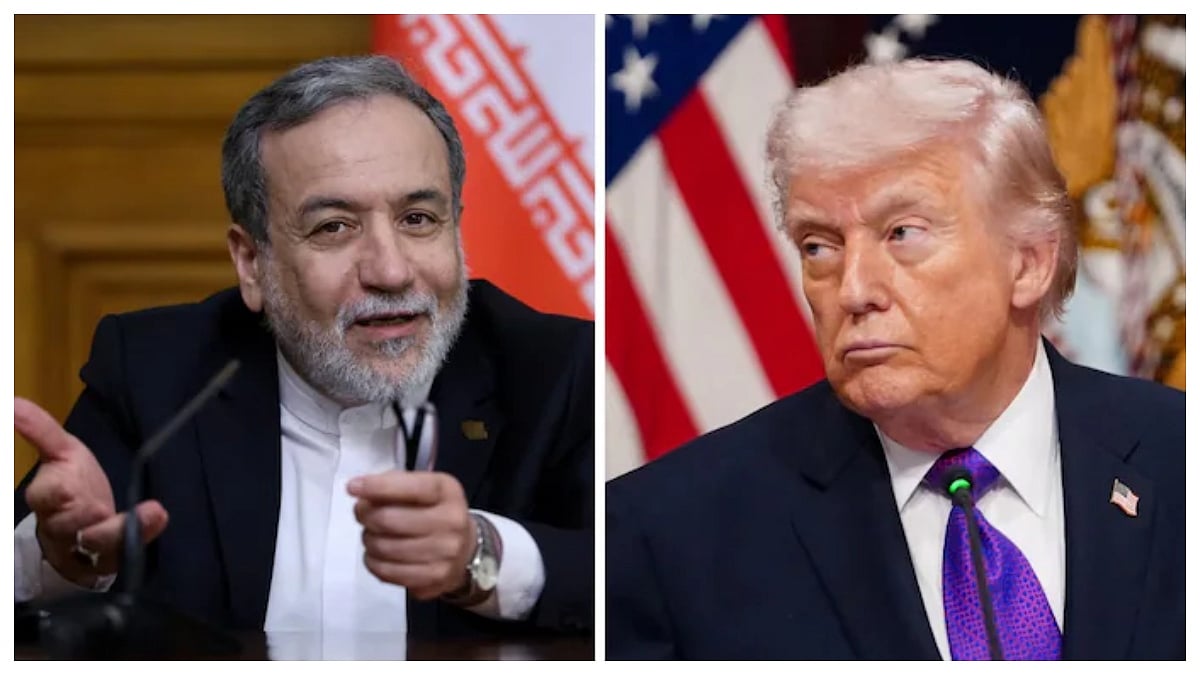
US had warned Iran in April that its Foreign Minister, Abbas Araghchi, and Parliament Speaker, Mohammad Bagher Ghalibaf, were targets of assassination by Israel, according to a New York Times report.
Concerns over assassination plot
Some US officials reportedly believed then that Israel was planning to carry out assassinations of Araghchi and Ghalibaf in the weeks after the first ceasefire on April 8.
US officials reportedly believed that Iranian negotiators Abbas Araghchi and Mohammad Bagher Ghalibaf, who had been chosen to represent Tehran in nuclear talks with Washington, could have been viewed by Israel as potential targets. The concern arose amid a wave of Israeli assassinations inside Iran, including the killing of senior military officials and that of the late Supreme Leader, Ali Khamenei.
Emergency change of course
Taking cognisance of the intelligence, Iran immediately passed the information to the plane, and Ghalibaf made an emergency landing in Mashhad, in Iran's northern province, instead of taking its usual course to Tehran, the report added.

Growing US-Israel divergence
A key sign of the growing divergence between US and Israeli priorities was the memorandum of understanding (MoU) reached between Washington and Tehran.
The US continued to push for the agreement and advance diplomatic talks with Iran, even without Israel's involvement and despite Prime Minister Benjamin Netanyahu's public criticism of the effort. Since then, the two allies have increasingly found themselves pursuing different approaches.

