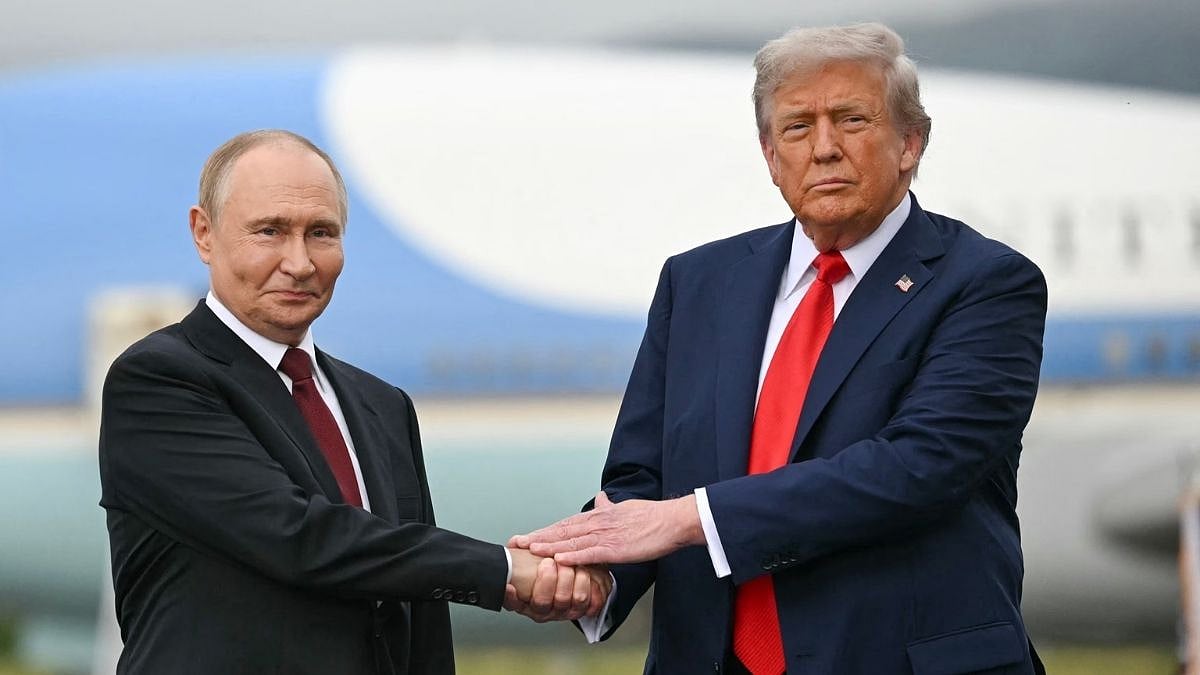
History is frequently written by those who underestimate their opponent's will to fight. In The Art of War, Sun Tzu establishes the estimation of the enemy as a non-negotiable prerequisite for victory. He contends that a precise assessment of an adversary’s position and capabilities is the sole path to avoiding disaster and securing a decisive edge. For Sun Tzu, understanding your enemy is just as vital as understanding yourself.
This premise is true in modern warfare as well. As Russia’s full-scale invasion of Ukraine enters its fifth year, the initial assumptions that guided President Vladimir Putin’s "blitzkrieg" have been laid bare as profound failures.
Mykola Bielieskov, writing for the Atlantic Council, notes that Putin originally anticipated a brief campaign to decapitate the Ukrainian state, an overconfidence reflected in invasion plans that saw Russian units reportedly carrying parade uniforms for victory celebrations.
This mirrors a broader pattern of intelligence fiascos where technical superiority is mistaken for guaranteed victory. Crispin Hull of The Canberra Times argues that US intelligence made similar fundamental errors regarding Ukraine, failing to read the nation’s ingenuity in asymmetric warfare and the collective willingness of its people to endure.
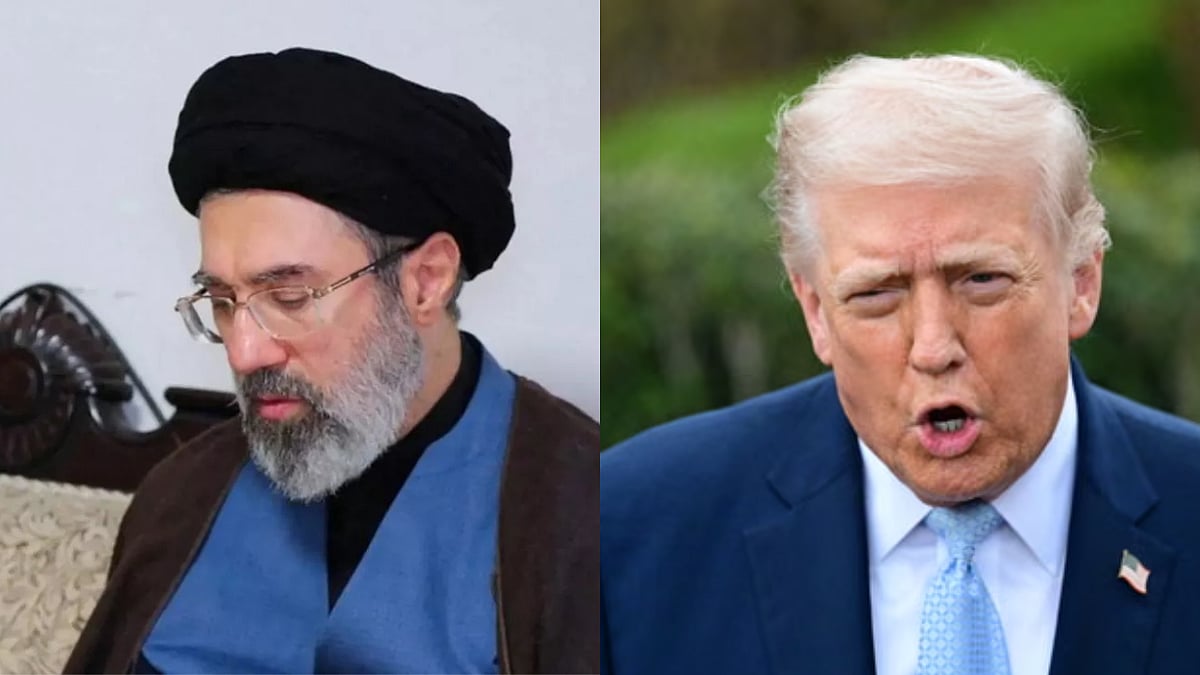
Mirroring the Ukrainian miscalculation in Iran
There are growing concerns that a similar narrative of underestimation is unfolding regarding the United States’ posture toward Iran. Hull suggests that the US may be taking the wrong lessons from global history by assuming that technical and economic superiority will always persevere over morale and a sense of purpose.
Just as Putin dismissed Ukraine as an artificial state, there is a risk that Trump and US planners have underestimated the capacity of the Iranian regime to regroup to maintain its grip on power. It is naive to expect a popular uprising to topple the government in the face of brutal force without a well-organised and well-equipped opposition, potentially leading to another catastrophic intelligence failure reminiscent of the lead-up to the 1979 Islamic Revolution.
Strategic resilience and limits of air power
The Institute for the Study of War (ISW) reports that Russia has failed to achieve the objectives of its Winter 20-2026 missile and drone campaign, which aimed to degrade Ukraine’s energy security and will to fight.
Despite significant damage, the Ukrainian defence industrial base has reportedly increased production fiftyfold since 2022, reaching an estimated $50 billion in value. This resilience highlights a critical gap in the aggressor's strategy, which is, the inability to account for a population's adaptability.
Russia’s shift toward targeting water infrastructure is viewed as an implicit acknowledgment that previous strikes failed to break the national spirit. If the US approaches Iran with the same assumption that infrastructure damage, depleted military capabilities and rising economic pressure will lead to immediate political collapse—it may find itself facing a similarly protracted and unsuccessful engagement.
Iran’s preparedness and the rhetoric of defiance
The Iranian regime appears to be signalling that it has studied the modern battlefield and adjusted its defences accordingly. Ali Larijani, Secretary of Iran’s Supreme National Security Council, recently emphasised this heightened state of readiness before the war started. As Larijani declared, “We are definitely more powerful than before, we have prepared in the past seven, eight months, we found our weaknesses and fixed them. We are not looking for war, and we won’t start the war. But if they force it on us, we will respond.”
Cost of ignoring asymmetric realities
Ultimately, the parallels between Putin’s assumptions in Ukraine and the current US stance on Iran suggest a recurring blind spot in superpower strategy. As the lessons of the Ukraine conflict seem to be ignored both by the White House and the Pentagon—specifically the importance of national morale and the limits of technological advantages against a determined defender—the US has in all likelihood entered a conflict based on the same false political and military assumptions that have mired Russia in a half-decade of unforeseen struggle.

