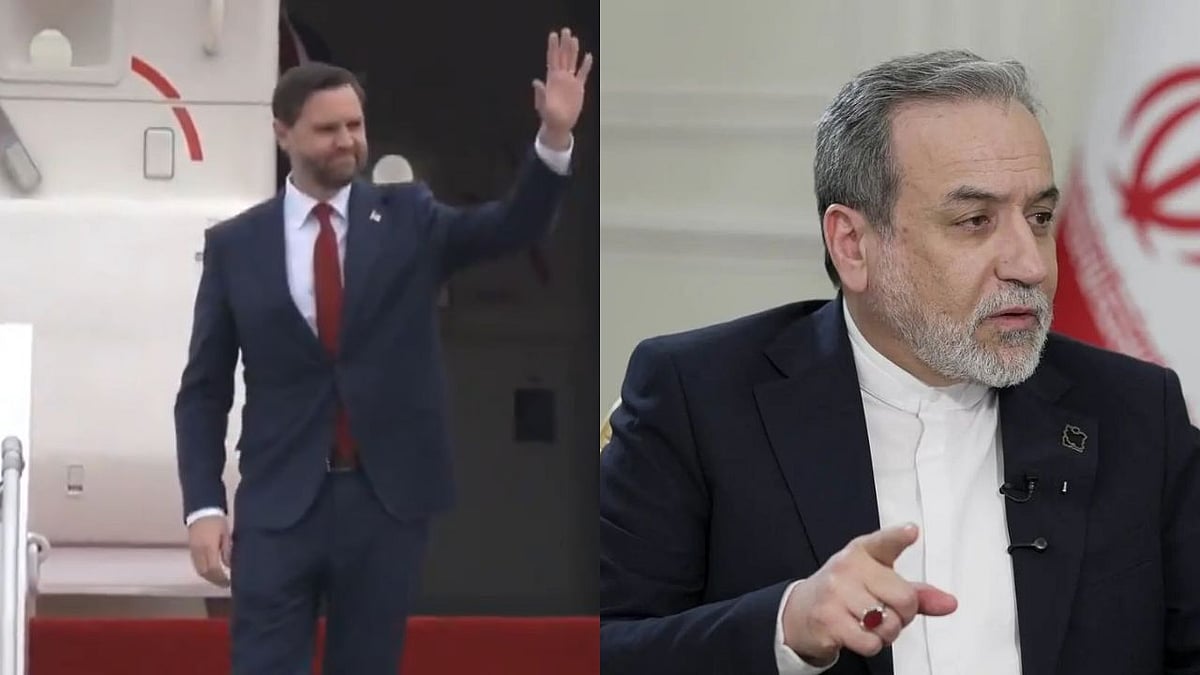
A month into a bruising conflict, diplomacy has taken centre stage in Islamabad. A US delegation led by Vice President JD Vance has arrived for the first face-to-face talks with Iran since the war began negotiations that could determine whether a fragile ceasefire holds or collapses.
Hours earlier, Iran’s delegation, led by Mohammad Bagher Ghalibaf, set a sombre tone by displaying images of children killed in the Minab attack, along with blood-soaked school bags and footwear.
As both delegations arrive in Islamabad and reach Prime Minister Shehbaz Sharif’s office ahead of the talks, attention now turns to the key question what exactly will be negotiated as the US and Iran sit down for crucial peace discussions?
Two Plans, One Negotiation Table
At the core of the talks are two competing frameworks a 10-point proposal from Iran and a broader 15-point plan from the US, reflecting deep differences despite willingness to engage.
Nuclear Programme
The US is pushing for strict limits on Iran’s nuclear activities and guarantees against weaponisation, backed by international monitoring. Iran insists its programme is peaceful and refuses to give up its right to uranium enrichment.
Sanctions Relief
Tehran is demanding immediate removal of all sanctions and access to frozen assets. Washington prefers a phased rollback, linking relief directly to verified compliance.
Strait of Hormuz
Iran wants recognition of a regulatory role over the strategic passage. The US maintains that global shipping lanes must remain open and unrestricted.
Regional Security
The US is pressing Iran to end support for allied armed groups. Iran is countering with demands for a halt to military actions against those groups and wider regional de-escalation.
US Military Presence
Iran has called for a withdrawal of US forces from the region and guarantees of non-aggression. The US has not indicated any willingness to scale back its presence.
Missile Programme
Washington wants limits on Iran’s ballistic missile development. Tehran views this as a red line, calling it essential to its defence.
Compensation vs Accountability
Iran has raised demands for compensation over recent conflict-related damages. The US is expected to push for accountability over attacks on its personnel and allies.
Ceasefire On The Clock
With a limited ceasefire window, officials expect slow, phased progress beginning with confidence-building steps rather than an immediate breakthrough.
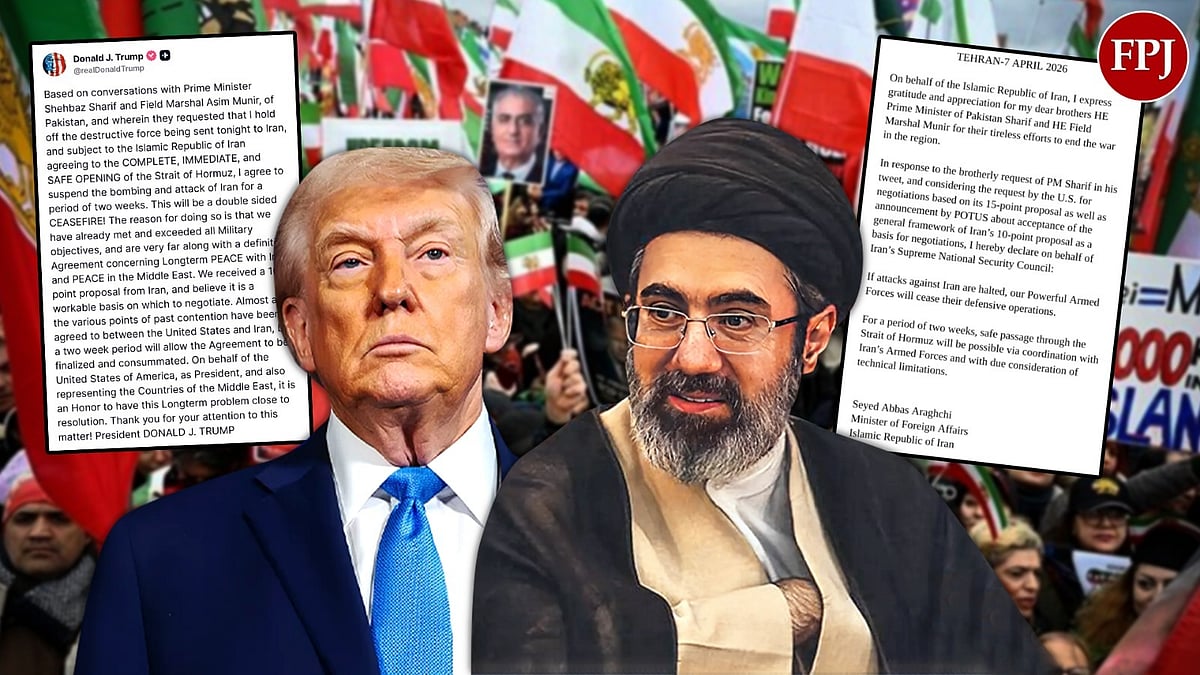
Meanwhile, US President Donald Trump has made his stance clear: of preventing Iran from acquiring nuclear weapons remains the top priority.
As talks begin, the challenge lies not just in resolving differences but in finding a workable starting point making the Islamabad negotiations a critical test of diplomacy.

