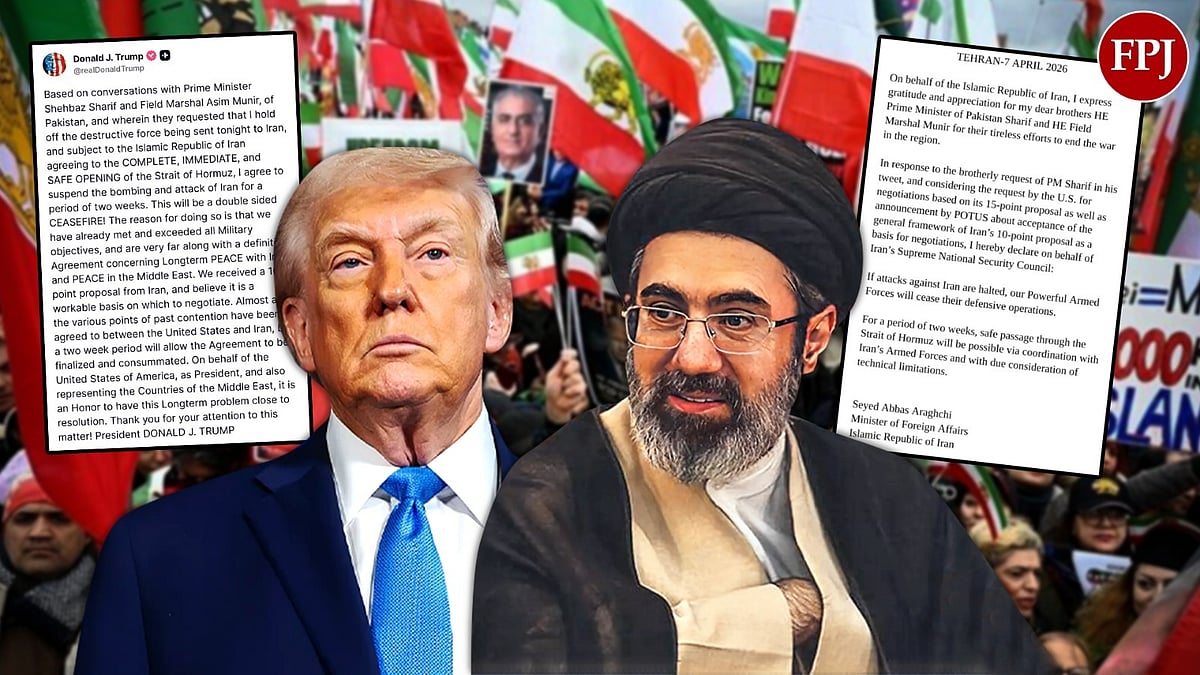
Islamabad: A major diplomatic engagement between the United States and Iran is set to take place in Islamabad, Pakistan, on Friday, April 10, 2026, where both sides will hold direct talks aimed at ending weeks of intense hostilities following the outbreak of war earlier this year, reported Iranian news agency ISNA.
The meeting follows an immediate ceasefire agreement that was announced and welcomed by Pakistani Prime Minister Shehbaz Sharif, who also extended invitations to both delegations for further negotiations on Friday.
According to Iranian state media reports, the Iranian delegation will be led by Speaker of Parliament Mohammad Bagher Ghalibaf, a central figure in Tehran's wartime leadership structure who has taken on strategic responsibilities since the early phase of the conflict. The United States delegation, meanwhile, will be headed by Vice President James David Vance.
The Islamabad talks represent the first in-person negotiations between the two adversaries since the war began, underscoring a significant, shift toward diplomacy after weeks of escalatory rhetoric, military strikes and regional tensions.
Iran's 10-point proposal, reportedly submitted through Pakistan, seeks to address a wide range of contentious issues, including the nuclear programme, regional security concerns, sanctions relief, and primary and secondary sanctions dating back roughly 45 years. This plan, according to state media, forms the basis for the negotiations in Islamabad and will be part of the discussions aimed at laying out a path toward a lasting peace.
Also Watch:
Despite the ceasefire and the diplomatic engagement, deep mistrust remains on both sides. Iranian officials have been reported to enter talks with "complete distrust" toward the American side, reflecting scepticism about Washington's intentions even as both countries seek an end to hostilities and a framework for future relations.
The discussions will also take place against the backdrop of broader tensions in the Middle East, including regional concerns about the Strait of Hormuz, a vital global oil transit route, and the ongoing implications of the conflict for neighbouring countries and international security.
As the world watches, Islamabad is poised to host a pivotal moment in US-Iran diplomacy, with the outcome of these negotiations likely to influence regional peace and global geopolitical dynamics in the weeks and months ahead.
(Except for the headline, this article has not been edited by FPJ's editorial team and is auto-generated from an agency feed.)

