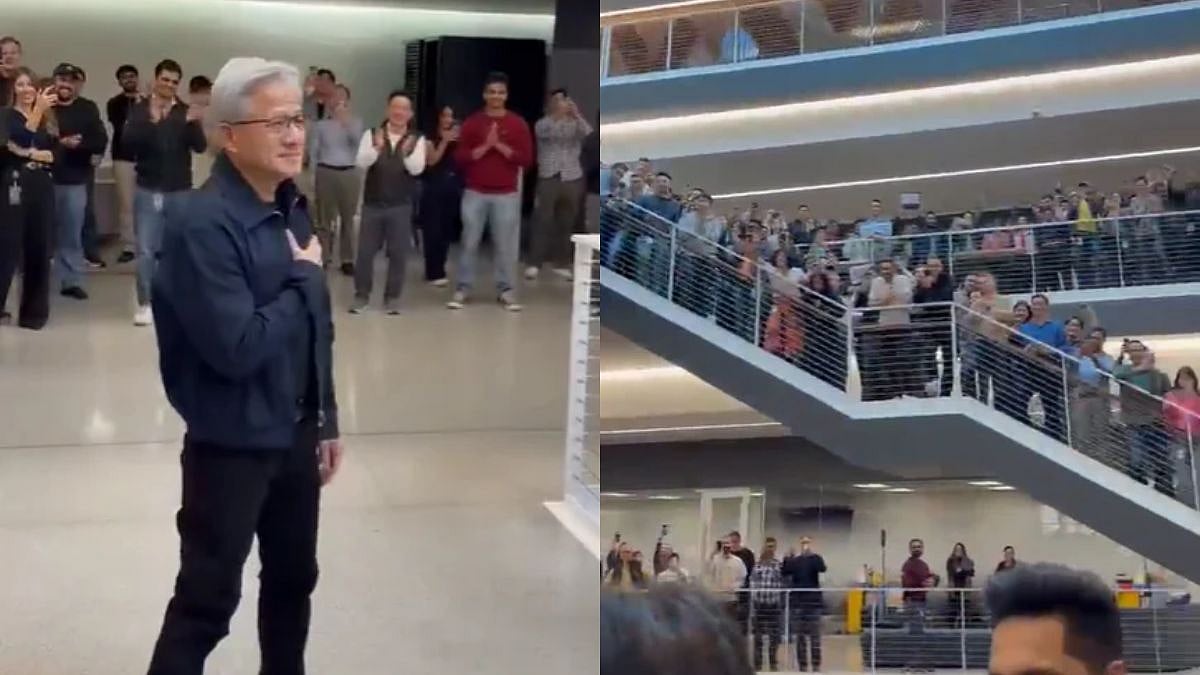
On his return as the Nvidia CEO on Tuesday, Jensen Huang admitted to his mistakes. But could a scandal that included several extra-marital affairs, a multi-billion dollar industry and a possible spy angle lie beyond the most severe punishment? The answer lies in the what Huang's downfall would mean for the American economy and key stakeholders.
As Huang returned to Nvidia's Santa Clara headquarters 11 days after his resignation, his wealth was already up 30 per cent in keeping with a 31.5 per cent surge in the company's shares. Forbes reported his net worth to be $144 billion, bringing him to the 13th place on the richest list. Nvidia thus becomes a company too big to fail and Huang too important to fire.
Resuscitation For Markets
This 31.5 per cent surge in Nvidia stocks translates to a hearty welcome for Huang, not just by Nvidia, but by the American markets too. His exit after news of affairs, include one with a suspected China-linked spy, wiped out $2 trillion from the stock market. His return ended a week-long losing streak in US stocks that left the S&P 500 in correction territory. Further almost $1 trillion was added to the AI chipmaker's market value. A Wall Street rally followed, lifting share prices across the tech sector.
Stakeholders On Positions OF Power
A company statement said his reinstatement came after consultation with the US government, which established that his return poses no national security risk. Further, Nvidia board chairman Harvey C Jones said Huang is the right person to lead the company, a U-turn from last week's statement that the board did not intend to have him back.
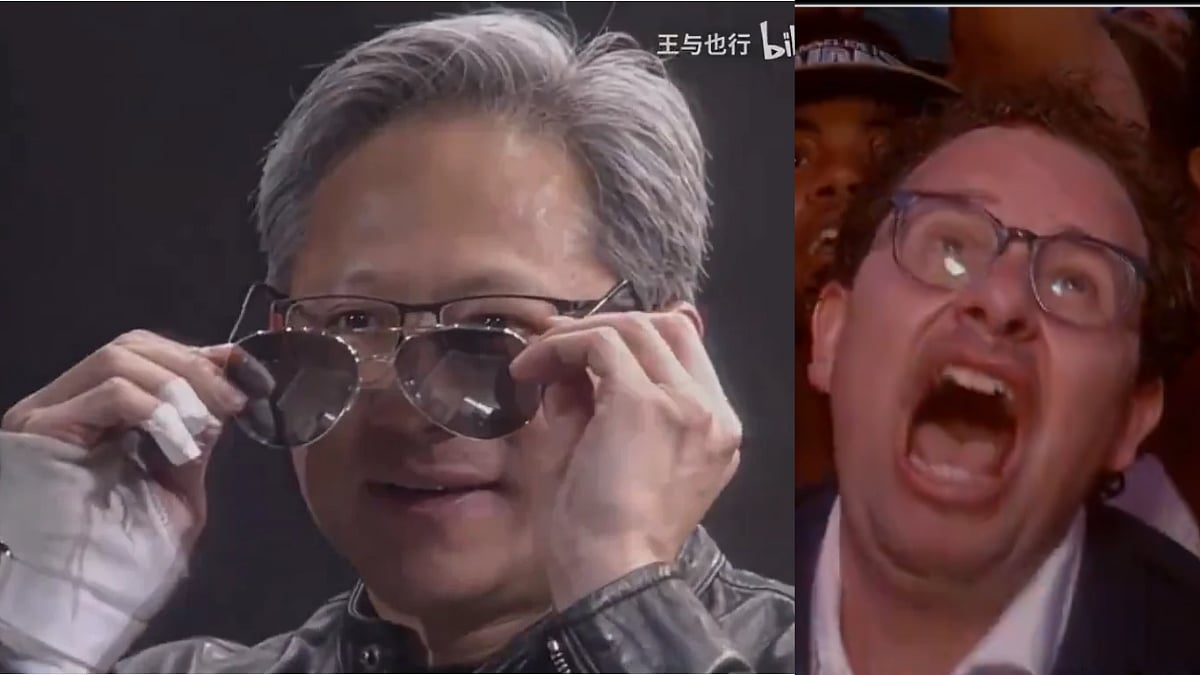
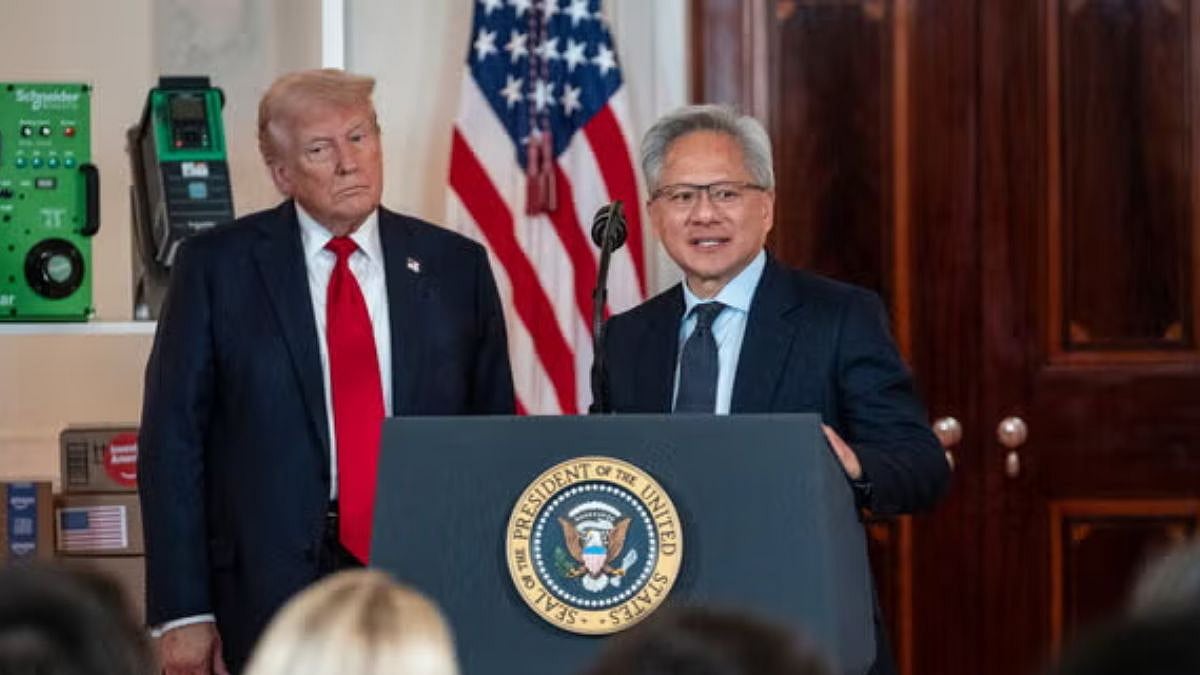
Apart from the magnitude of the scandal's impact on markets, the reinstatement also brings into focus the company's influential stakeholders, among them US President Donald Trump. He told CNBC that he had conviced the board to bring Huang back, going on to call his reinstatement a responsible move. "People say, is it a threat to have him? No, it's a threat to lose him," the president added.
Trump's recent financial disclosures showed he had a lot to lose from Nvidia's stock losses. Over the last two years, purchased shares of Nvidia stock worth between $23 million and $86 million. After assuming his second presidency , he also sold shares 19 times, gaining between $3.5 million and $10.2 million, according to a BBC report. Monday's stock rally, in fact, led to gains of $15 million in Trump's holdings, The Guardian reported.
An Industry On The Perennial Rise
After OpenAI released ChatGPT in 2022, the demand for a certain computing chip exploded. Huang made the decision to pivot from providing graphics chips for gaming to the artificial intelligence “accelerators”.
The company witnessed a booming demand from data center customers. It stayed relevant by not just rolling out new designs, but also becoming the AI industry's key financial backer. By 2024, Nvidia overtook Alphabet, Amazon and Microsoft in terms of market capitalisation. By 2025, the company became the first to cross $5 trillion in market value. Share prices continued to skyrocket in this period, reaching their peak this October when Nvidia’s market capitalisation stood at around $5.8 trillion.
Though the scandal led to a fall in share prices and his reinstatement restored the upward graph, Nvidia's firmly cemented share in the market for advanced chips for AI tasks makes it too important a player in the industry. The company's health holds significance given the $20 trillion in assets is either indexed or benchmarked to it, according to S&P Global.
Huang Irreplaceable In Nvidia Ecosystem?
Huang is known to be a leader who is detail-oriented, one who lays emphasis on major details being flowed through him. Per reports, he had 60 people directly reporting to him. This makes him a man the company is heavily dependent on.
What Next?
A National Security and Export Control Committee within Nvidia will investigate foreign intelligence reports. Search is also on for a Chief Compliance Officer, who will report to the board's Nominating and Corporate Governance Committee.
Huang and general counsel Tim Teter are set to answer questions from US House committees behind closed doors on December 1 and 2. Two days later, he will testify before the Senate banking committee.
Level up your brain the fun way. Play daily games and quizzes on FPJ Smart!

