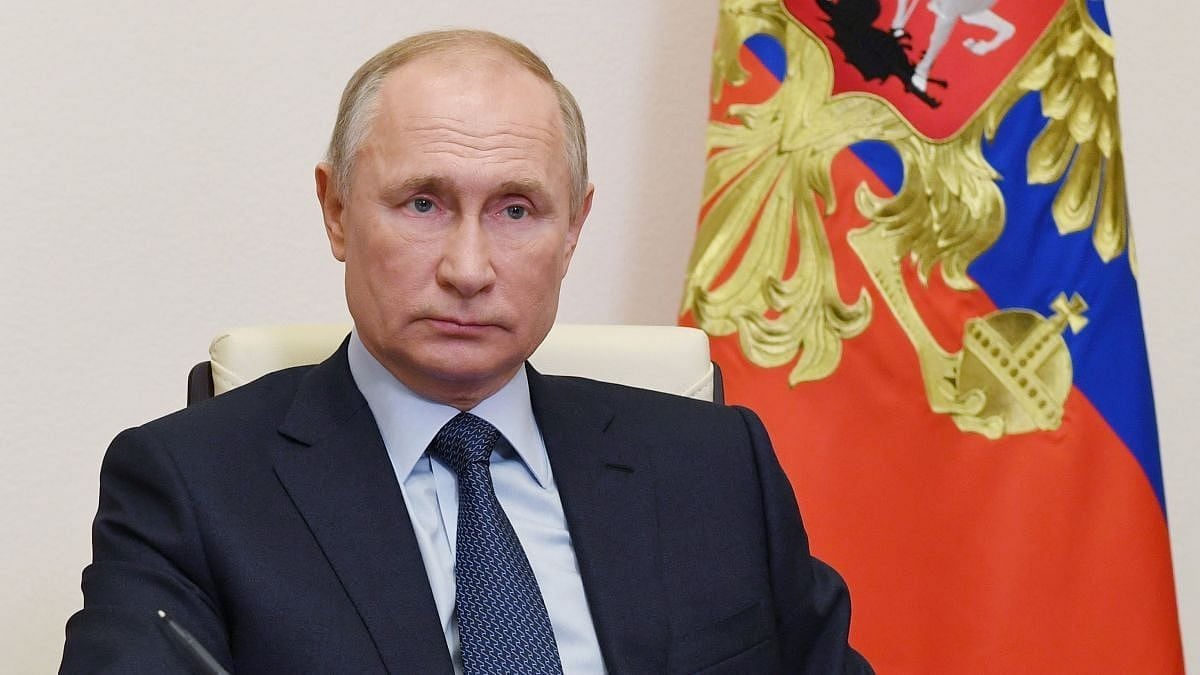
Russian President Vladimir Putin could consider using tactical nuclear weapons as a last resort in the Ukraine war after Moscow concluded that negotiations for a peace deal had reached a dead end, Bloomberg reported, citing people close to the Kremlin.
Tactical nuclear weapons are short-range nuclear arms intended for limited battlefield use rather than attacks on entire cities or countries. Though smaller than strategic nuclear weapons, they can cause extensive destruction and contaminate large areas with nuclear fallout.
China and India have warned Putin against using nuclear weapons. Ukrainian President Volodymyr Zelensky and senior European officials confirmed that Beijing had delivered a message telling Moscow not to even consider detonating tactical nuclear weapons in Ukraine.
For now, however, Russia is considering intensifying powerful conventional ballistic missile strikes on Kyiv and infrastructure targets in other Ukrainian cities.
Ukraine steps up long-range strikes inside Russia
Ukraine has significantly expanded its long-range drone campaign deeper inside Russian territory, targeting major e-commerce warehouses as well as oil refineries in an effort to damage Russia's wartime economy.
As Ukraine receives weapons and intelligence from NATO member countries for attacks on Russia, Moscow increasingly views Ukrainian strikes as direct attacks by NATO states.
Putin has played down the impact of Western sanctions on the Russian economy and said Ukraine has "opened this Pandora's box" and warned them to "be ready to get a blowback" on its most critical economic sectors.
CIA chief visits Moscow amid NATO concerns
CIA Director John Ratcliffe travelled to Moscow this week to warn Russia against testing NATO's resolve by attacking one of its members, The Wall Street Journal reported.
According to the Journal, US intelligence agencies have assessed that Putin could consider testing NATO in the coming years through a limited military operation against an alliance member.
US officials believe such an action may not begin with a full-scale attack and could range from a cyberattack to a small ground incursion.
Kremlin spokesman Dmitry Peskov, however, said on Wednesday that Ratcliffe met Russian intelligence officials rather than Putin during his Moscow visit. He said the Russian President was briefed on the discussions.

Ratcliffe's visit is the latest in a series of high-level contacts between the US and Russia.
Kremlin rejects reports of possible NATO attack
Moscow has rejected US media reports suggesting that Russia could attack NATO.
Asked about the reports following Ratcliffe's unusual Moscow visit, Peskov dismissed them as speculation.
"A lot of such scare stories are being published right now. Of course, they have nothing to do with reality", he said,

