
Atlanta [US]: US Secretary of State Marco Rubio stated that President Donald Trump firmly believes Poland deserves a place at the prominent G20 table, lauding Warsaw's stellar economic growth and military modernisation while expressing strong hopes for its reinvitation to the global summit next year.
Addressing reporters at the conclusion of the G20 Foreign Ministers’ Meeting in Georgia, Rubio specifically commended the Polish delegation among the invited participants, linking Poland's advancing geopolitical stature directly to core American strategic interests.
“President Trump believes very strongly that Poland deserves a seat at this table of global leaders and we very much hope to see them and other strong nations on the rise invited back next year,” Rubio stated.
While the remarks demonstrated Washington's strong backing for Warsaw's continued presence at future dialogues, Rubio refrained from detailing any official changes to the forum’s composition or the granting of permanent membership.

His forward-looking comments on prospective invitations next year also included other rising economies, though he did not identify specific countries or eligibility criteria.
The Secretary praised Poland's domestic progress, highlighting its significant advancements across commercial sectors and national security preparedness. He noted that such progress stemmed from prioritising citizens' welfare and national sovereignty.
“They are stronger; they are more robust as a nation, and America as an ally and a partner of Poland is therefore stronger as well,” he observed.
The formal endorsement came during a comprehensive briefing summarising the Atlanta gathering alongside ongoing logistical preparations for the upcoming G20 Leaders’ Summit in Florida, scheduled for December. Rubio underscored that the American host presidency had deliberately focused the forum on core financial stability and economic priorities.
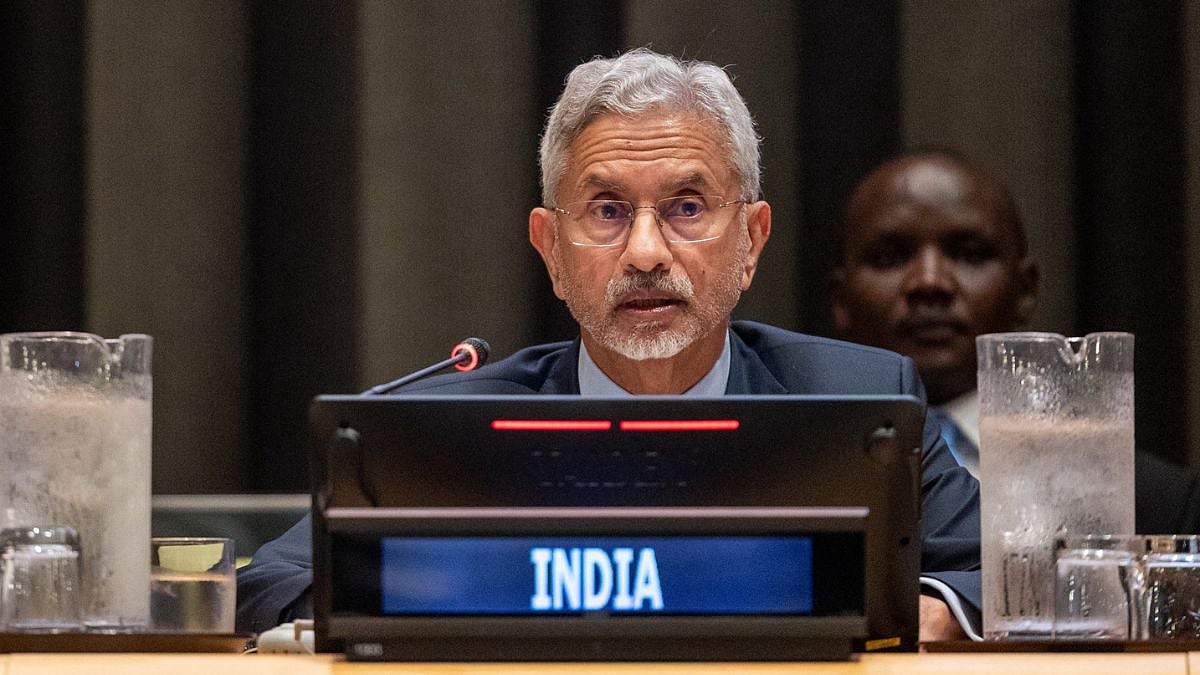
The substantive foreign ministers’ discussions covered critical global areas, including energy resilience, technological innovation, supply chain continuity and freedom of maritime transit. Rubio described these as complex, interdependent policy challenges requiring multilateral cooperation, even when member states have significant disagreements over their underlying causes or possible solutions.
He affirmed that Washington had used its current leadership tenure to secure tangible, practical outcomes aimed at strengthening domestic American economic prosperity while easing shared international pressures.
Furthermore, Rubio expressed gratitude to all invited participants for their active engagement, while commending Cabinet colleagues who had led previous ministerial meetings. He described the forthcoming December summit, to be chaired by President Trump, as the culmination of the administration's multilateral diplomatic agenda.
Despite an overall positive assessment of the proceedings, Rubio acknowledged persistent diplomatic obstacles and limits to formal consensus among delegates.

While participating capitals universally recognised serious vulnerabilities affecting agricultural food supplies, access to critical minerals and maritime navigation, a unified global approach remained elusive.
He maintained, however, that identifying shared vulnerabilities was an essential prerequisite for joint action, noting that several like-minded governments were already coordinating policies on supply chain security and raw materials.
Asked about the tangible economic returns generated by the G20’s work, Rubio cautioned against expecting immediate financial breakthroughs. He explained that high-level multilateral discussions address structural challenges, such as long-term energy pricing and access to advanced technology inputs, that shape economic output over decades.

Established in 1999 and subsequently elevated to leaders’ summits in 2008, the G20 brings together 19 countries, the European Union and the African Union.
While rotating presidencies routinely invite selected countries to individual meetings, such temporary participation does not confer permanent membership.
(Except for the headline, this article has not been edited by FPJ's editorial team and is auto-generated from an agency feed.)

