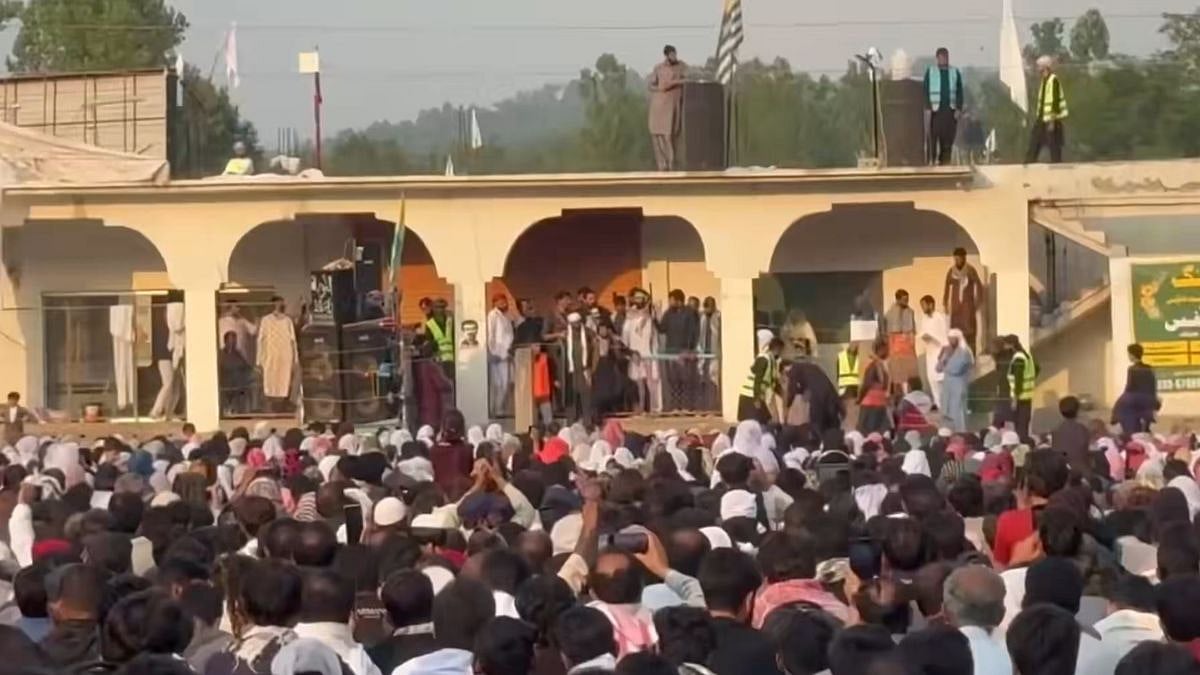
Thousands of protesters in Rawalakot, in Pakistan-occupied Kashmir, continued demonstrations against Islamabad's rule for the 22nd consecutive day on Tuesday, demanding better governance and an end to what they describe as state repression, economic hardship, inflation and administrative neglect.
Addressing a gathering at Eidgah Ground, several speakers asserted that the region should no longer be viewed as being under Pakistan's control, with some warning that continued inaction could prompt residents to seek closer engagement with India.

The protests, led by local leaders including civil rights activist Sardar Aman Khan, have intensified following a two-week blockade on food supplies and other essential goods imposed by Pakistani authorities. The region has also remained under an internet blackout since June 5, with authorities restricting communications amid the unrest.
In his address, Khan claimed that Pakistan-administered Kashmir was not a part of Pakistan and argued that Islamabad depended on the region more than the region depended on Pakistan.
Meanwhile, a separate sit-in has been underway near the Line of Control (LoC) since June 9. Khan warned that if restrictions on food and essential supplies persisted, residents could turn to India for assistance, a move he said would significantly alter the region's political dynamics and increase pressure on Islamabad.
During his speech, Khan accused the Pakistani authorities of attempting to intimidate residents by threatening to stop the supply of essential goods. Referring to people gathered near the Line of Control, he said women and children were living in fear but insisted that Kashmiris would not bow to such pressure.
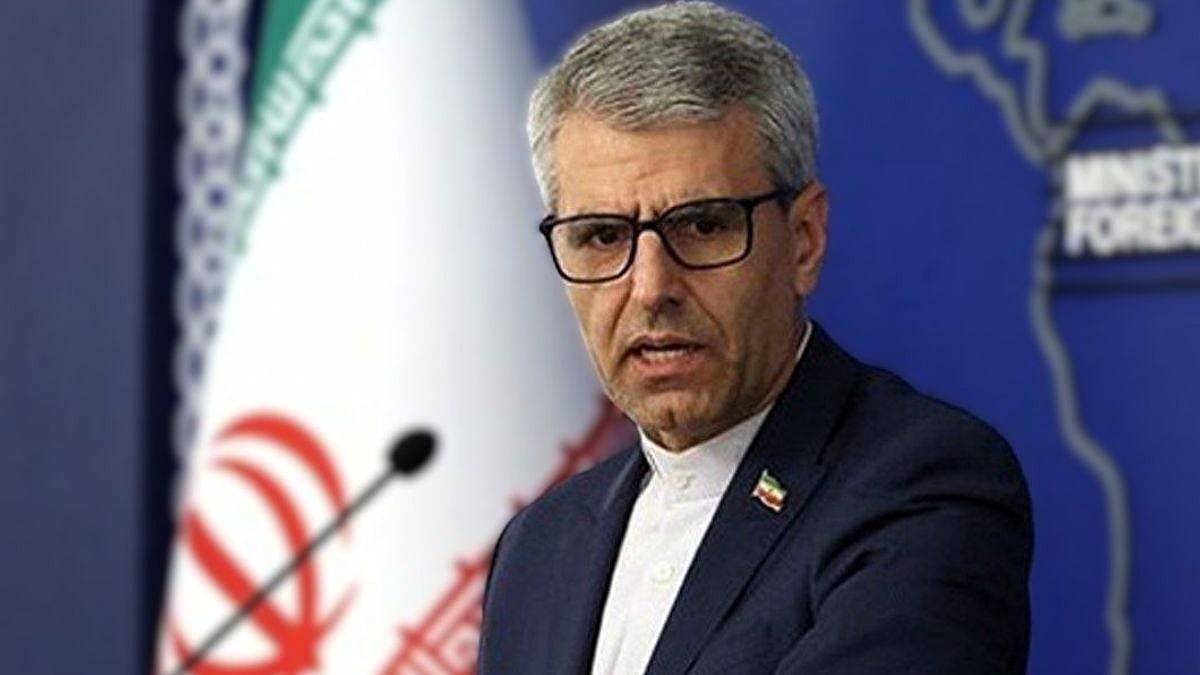
"They say they will stop the ration of Kashmiris. I say we do not need your ration - you need us," Khan declared, urging Islamabad to restore normalcy instead of escalating restrictions.
He also cautioned that continued disruption of trade routes and blockades could have wider consequences, saying Pakistan should avoid creating a situation where it would later have to seek the region's cooperation after isolating it economically.
Khan rejected what he described as authoritarian rule, stating that the people of Kashmir would not accept "any dictator" and stressing that their movement would remain peaceful. He urged authorities to respect the will of the people rather than resort to coercive measures.
Reiterating his political position, he asserted that "Kashmir is not a part of Pakistan," while claiming that the people of the region were loyal to ordinary, hardworking citizens rather than the country's political establishment.

