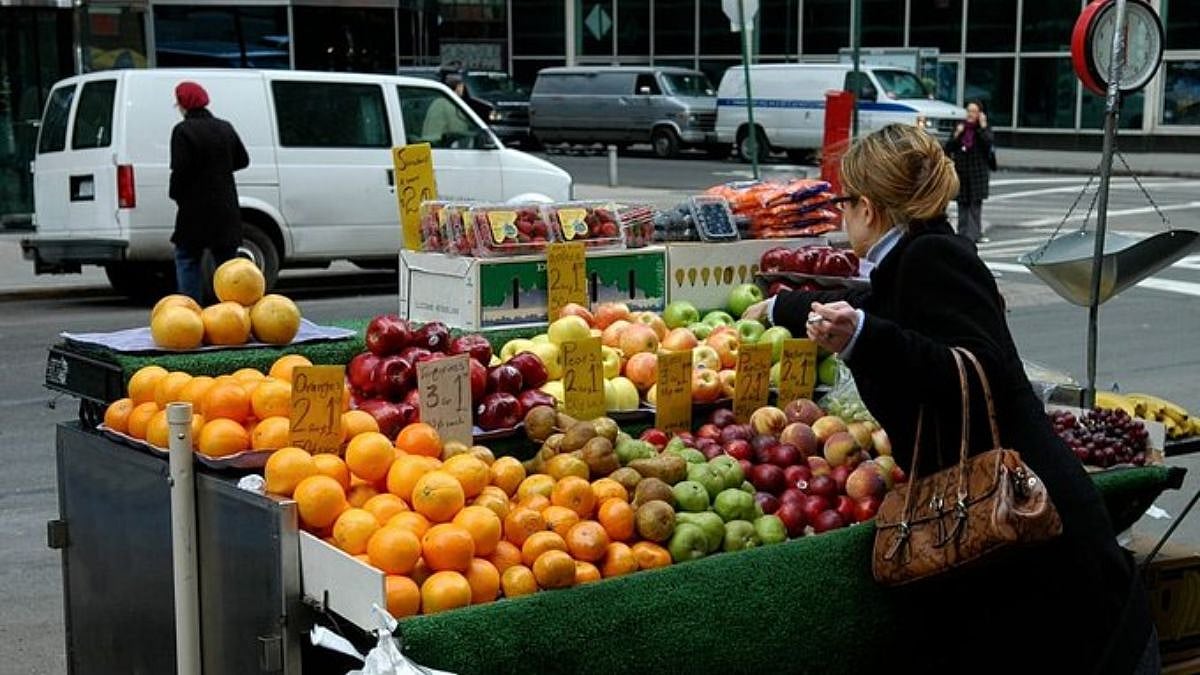
New Delhi, July 21, 2026: A healthy diet remains beyond the reach of one in three people globally, with 2.69 billion people unable to afford food that meets their energy and nutrient requirements, according to The State of Food Security and Nutrition in the World 2026 report by five UN agencies. The report warns that achieving the global goal of zero hunger by 2030 will require “immense” efforts.
The report estimates that a healthy diet costs 4.28 purchasing power parity (PPP) dollars per person each day, meaning the equivalent amount in local currency with the same purchasing power as $4.28 in the US, The Guardian reported.
“The extreme poverty line is $3 PPP per person,” Torero said. “So it’s significantly higher.”
Global hunger continued to decline for the third consecutive year, affecting 7.8% of the world's population in 2025, compared with 8.1% in 2024. The report also noted signs that the long-term rise in hunger across Africa may be slowing.
Focus On Diet Diversity
Despite improvements in hunger levels, the proportion of people unable to afford a healthy diet remains “extremely high”, said Maximo Torero, chief economist at the Food and Agriculture Organization (FAO).
According to Torero, government support has largely focused on cereals and starchy staples instead of nutrient-rich foods such as meat, dairy, fruit and vegetables.
“That means calories, but not a diversity of diet,” he said, highlighting the impact of this on rates of obesity and diseases such as cancer and diabetes.
World Health Organization figures cited in the report show adult obesity increased from 12.1% in 2012 to 16.2% in 2024.
“It’s extremely urgent,” Torero said. “Obesity [among adults] is growing at a very steep level, so we need to now work intensively on trying to minimise those risks and those hidden costs that that substantial increase in obesity will bring.”
He called for greater investment in infrastructure, research and development, saying more efficient supply chains could reduce the cost of meat, dairy, fruit and vegetables. Policies encouraging higher consumption of fruit and vegetables could also help lower the economic burden of diet-related health problems.
Africa Faces Greatest Burden
The report found that 66.6% of Africa's population could not afford a healthy diet in 2025, more than double the proportion in Asia or Latin America and the Caribbean.
For the first time, Africa has the highest number of hungry people globally, with about 309 million people compared with Asia's 292 million. However, Torero said the increase was mainly driven by population growth, while the share of people experiencing hunger had begun to decline.
“I think this is extremely important, because the numbers are for 2025, where already we have seen a significant reduction in overseas development assistance in the region,” Torero said.
Also Watch:
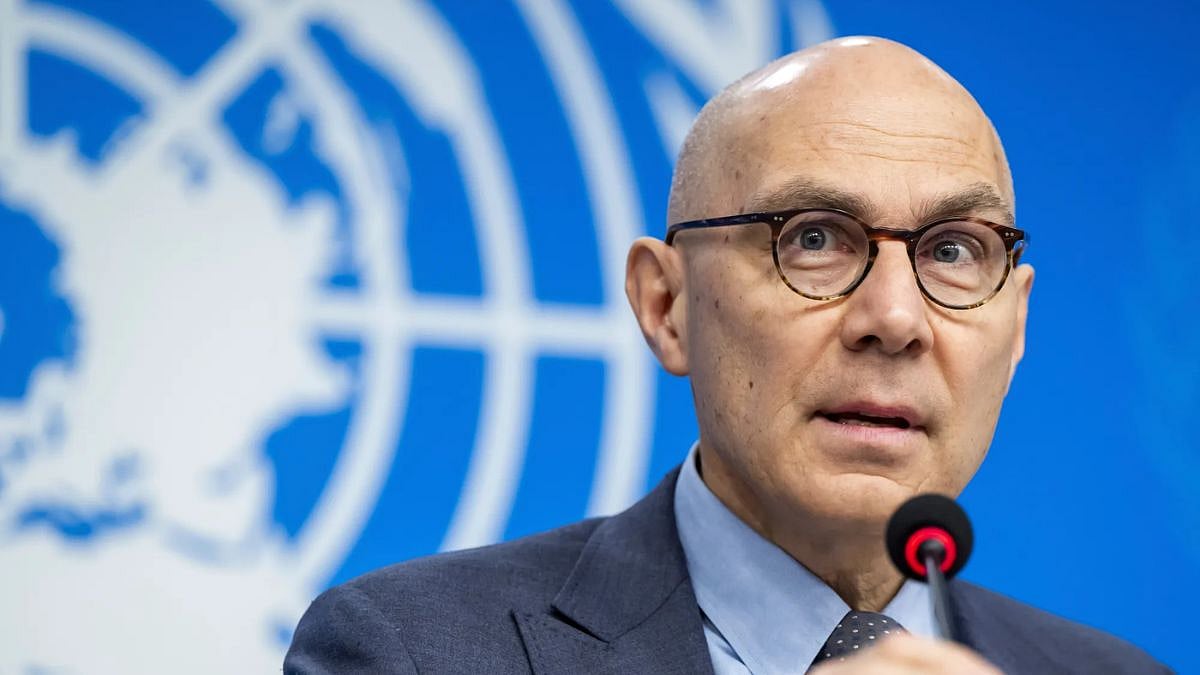
He also warned that shipping restrictions in the Strait of Hormuz linked to the conflict in the Middle East are likely to affect next year's figures.
The report was jointly prepared by the FAO, the World Health Organization (WHO), UNICEF, the UN World Food Programme and the International Fund for Agricultural Development.
To get details on exclusive and budget-friendly property deals in Mumbai & surrounding regions, do visit: https://budgetproperties.in/

