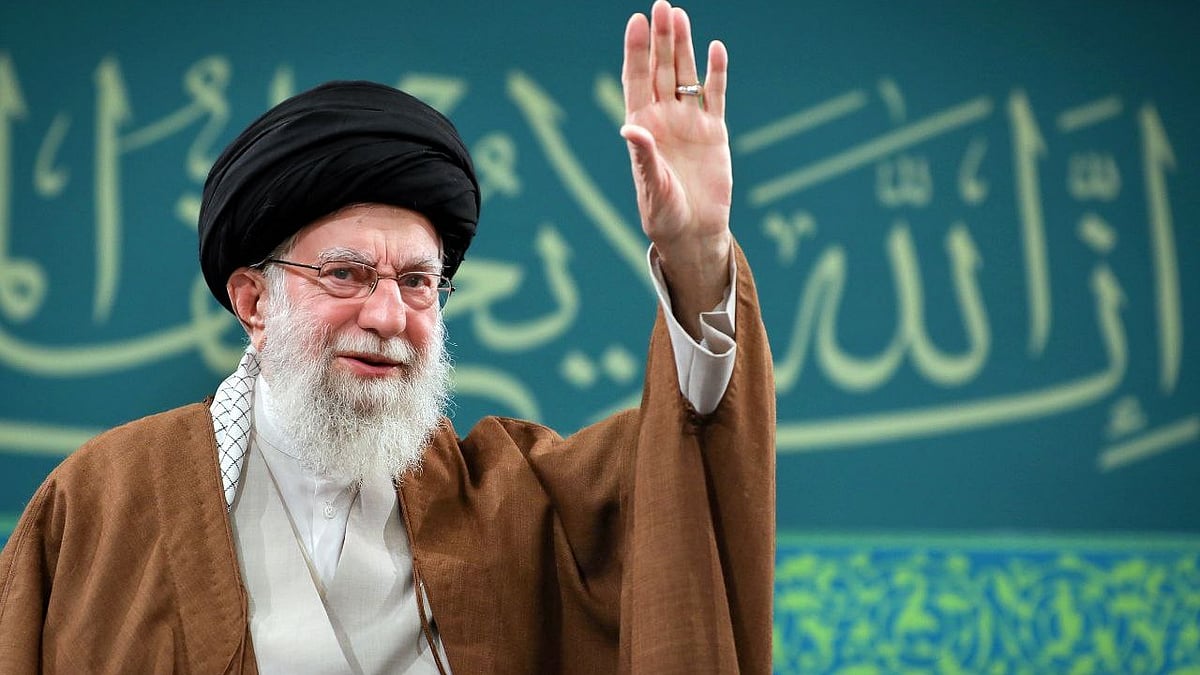
Iran has announced an extensive six-day funeral programme for its late Supreme Leader, Ayatollah Ali Khamenei, with ceremonies set to begin in Tehran on July 4 and conclude with his burial at the revered Imam Reza Shrine in Mashhad on July 9.
Details released by the committee overseeing the arrangements outline a series of mourning events across three major Iranian cities, reflecting the significance of Khamenei's nearly four-decade role at the apex of the Islamic Republic.
Ceremonies to Span Tehran, Qom and Mashhad
The funeral programme will commence with a farewell ceremony at Tehran's Imam Khomeini Mosalla prayer grounds on July 4 and 5. Public mourning gatherings will continue in the capital on July 6 before moving to the holy city of Qom on July 7.
The final leg of the ceremonies will take place in Mashhad on July 9, where Khamenei will be laid to rest at the Imam Reza Shrine, one of the holiest sites in Shia Islam and a major destination for pilgrims from across the Muslim world.
Millions Expected to Attend
Iranian authorities are preparing for what could become one of the largest public gatherings in the country's modern history.
State media reports suggest that up to 20 million mourners could participate in events across Tehran, Qom and Mashhad. Security agencies and government departments have begun extensive logistical planning to manage crowds, transportation and public safety during the ceremonies.
Officials expect massive turnouts as supporters, religious scholars and political leaders gather to pay their final respects.
A Defining Figure in Modern Iran
Born on April 19, 1939, in Mashhad, Khamenei rose from a prominent Shia cleric to become one of the most influential figures in the Middle East.
After serving as Iran's president between 1981 and 1989, he succeeded Ayatollah Ruhollah Khomeini as the country's second Supreme Leader following the founder's death.
For nearly 37 years, Khamenei wielded ultimate authority over Iran's military, judiciary, foreign policy and key state institutions, shaping the country's domestic and international trajectory.
Legacy of Influence and Controversy
Khamenei's tenure saw Iran expand its regional influence through alliances with groups across the Middle East while advancing its nuclear programme and maintaining a confrontational posture toward the United States and Israel.
Supporters viewed him as the guardian of the Islamic Revolution and a symbol of resistance against foreign pressure. Critics, however, accused his administration of suppressing dissent, restricting political freedoms and overseeing extensive crackdowns on opposition movements.
His leadership left a profound imprint on Iran's political system and regional strategy, making him one of the most consequential figures in the country's contemporary history.
Transition to a New Era
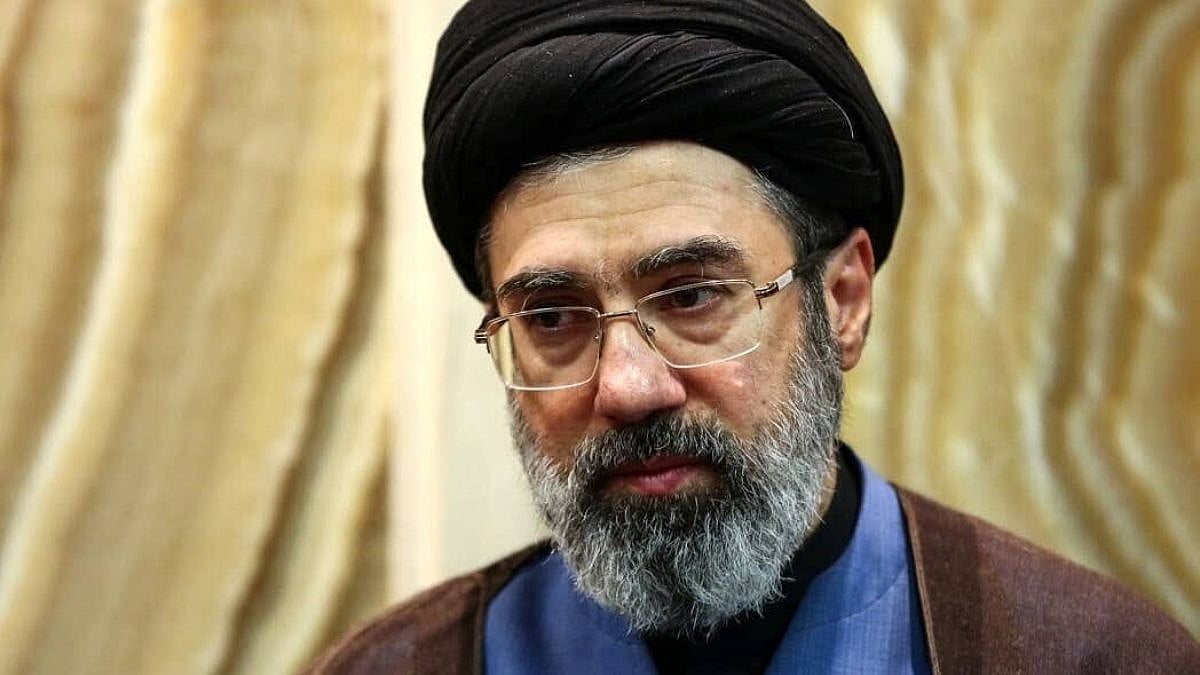
Following Khamenei's death in February 2026, Iranian authorities moved to ensure continuity in leadership, with his son, Mojtaba Khamenei, assuming the position of Supreme Leader.
As Iran prepares for a farewell expected to draw millions, the funeral ceremonies are likely to serve not only as a tribute to Khamenei's life but also as a symbolic moment marking the transition to a new chapter in the Islamic Republic's history.

