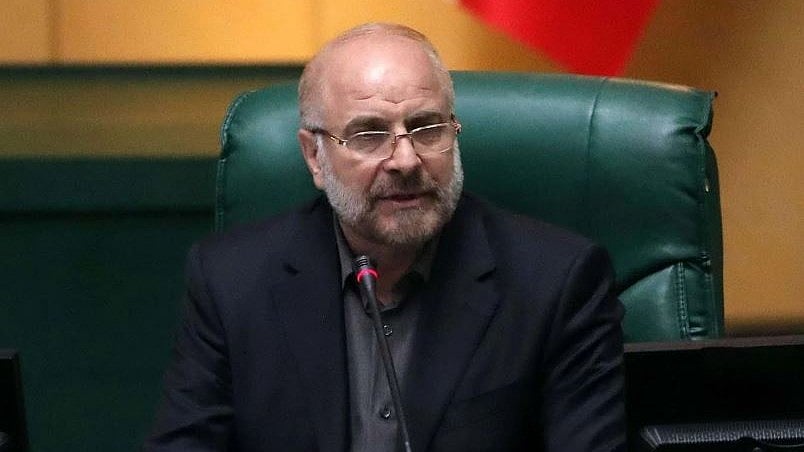
Mohammad Bagher Ghalibaf, Speaker of Iranian Parliament, issued a strong statement ahead of anticipated peace negotiations, asserting that key preconditions must be met before talks with the United States can begin.
In a post on X (formerly Twitter), Ghalibaf said that two previously agreed measures, a ceasefire in Lebanon and the release of Iran’s blocked financial assets, remain unimplemented. "Two of the measures mutually agreed upon between the parties have yet to be implemented: a ceasefire in Lebanon and the release of Iran’s blocked assets prior to the commencement of negotiations. These two matters must be fulfilled before negotiations begin," he wrote.
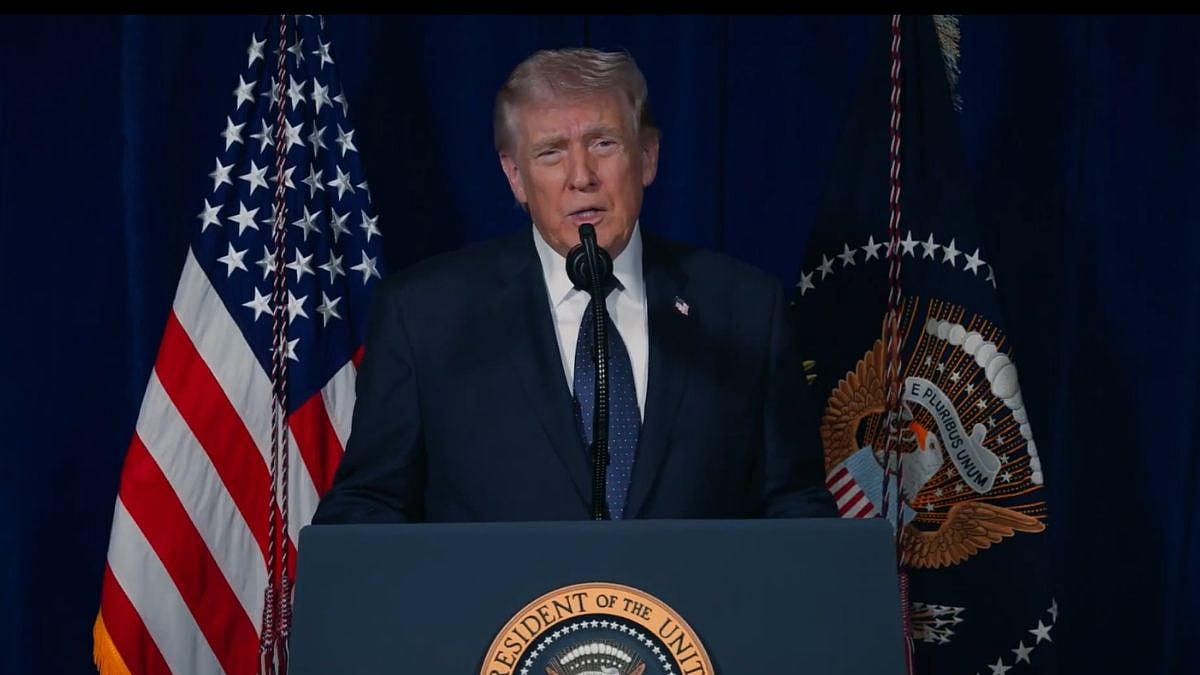
His remarks came shortly after Donald Trump, President of the United States, posted a cryptic message on Truth Social, stating, "WORLD’S MOST POWERFUL RESET!", fueling speculation over potential diplomatic developments and the direction of upcoming talks.
Meanwhile, JD Vance, Vice President of the United States, departed for Pakistan to participate in peace negotiations involving Iran. Speaking to reporters before boarding his flight, Vance expressed cautious optimism about the dialogue while warning Tehran against attempting to mislead Washington during negotiations.
"We're looking forward to the negotiation. I think it's going to be positive," Vance said. He further added, "As the president of the United States said, if the Iranians are willing to negotiate in good faith, we're certainly willing to extend the open hand. If they're going to try to play us, then they're going to find the negotiating team is not that receptive."
