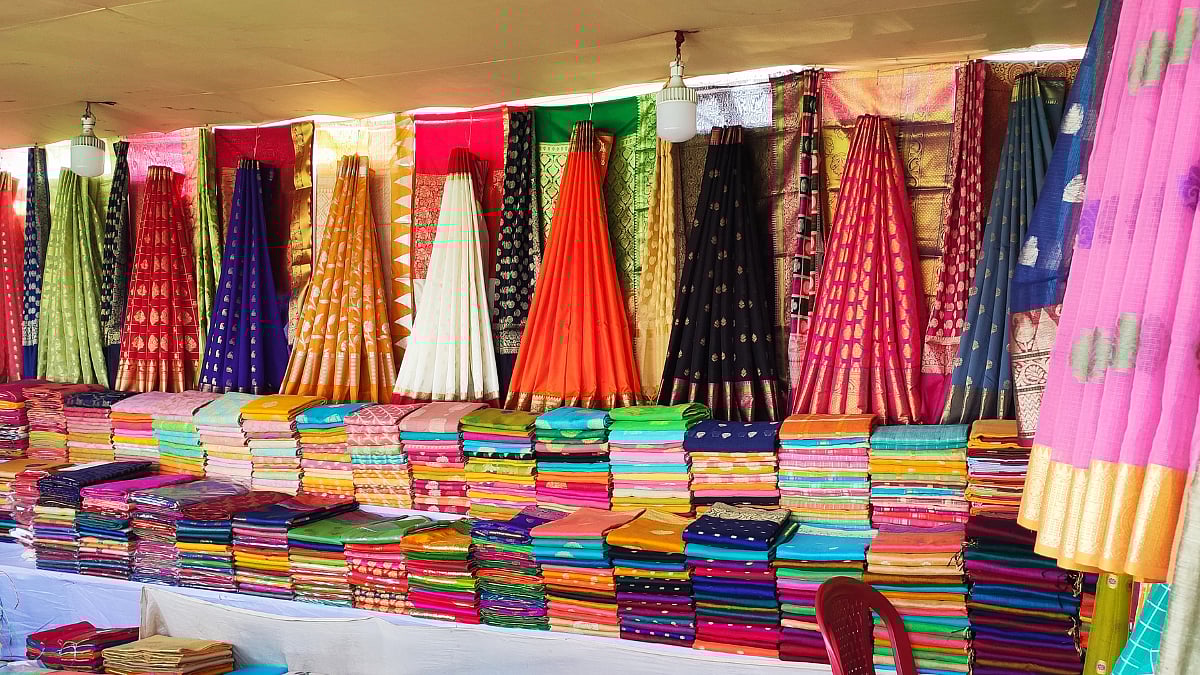
Saree, the traditional attire of our country sports a border and pallu with delicate weaves and designs. On National Saree Day (Dec 21), know more about the variety and vibrancy of the refined drape. Most of these have Geographical Index (GI) tags ensuring their regions’ identity and authenticity.
Talking about the weaves, Arunima Hoskote, an expert who deals in exclusive sarees says, “The weaving of some sarees takes up to 60 days and sometimes even 200 days. Investing in timeless pieces is almost like buying an expensive painting. These sarees get passed down to future generations.”
Here are some of the popular Indian sarees and the state they represent:
Paithani –Maharashtra
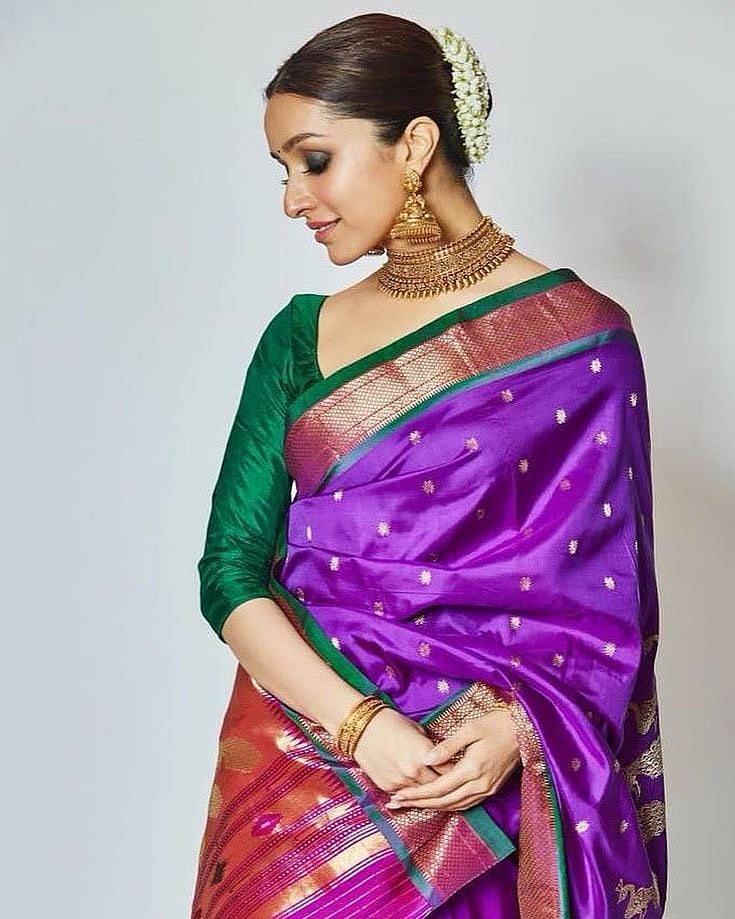
Zari-bordered peacocks, parrots, lotus in visually arresting colours are the highlights of this handwoven mulberry silk. The intense colours and incandescent finish for that feel of luxury, are passed down as heirloom collectibles.
Leheriya & Bandhani –Rajasthan & Gujarat
Leheriya means ‘wave’. A tie and dye method, with wavy patterns is sparked by the waves of the desert sands of Rajasthan. Originating in Jodhpur and Jaipur, the chevron-like designs can be found on cotton and silk sarees. It is generally teamed with abhala work (mirror) cholis and chunky silver ornaments. Bandhani or Bandhej engages the ancient painstaking process of tie-and-dye technique to create resist-dyed forms. Red and yellow hues dominate to represent auspiciousness in weddings.
Patola & Bhujodi –Gujarat
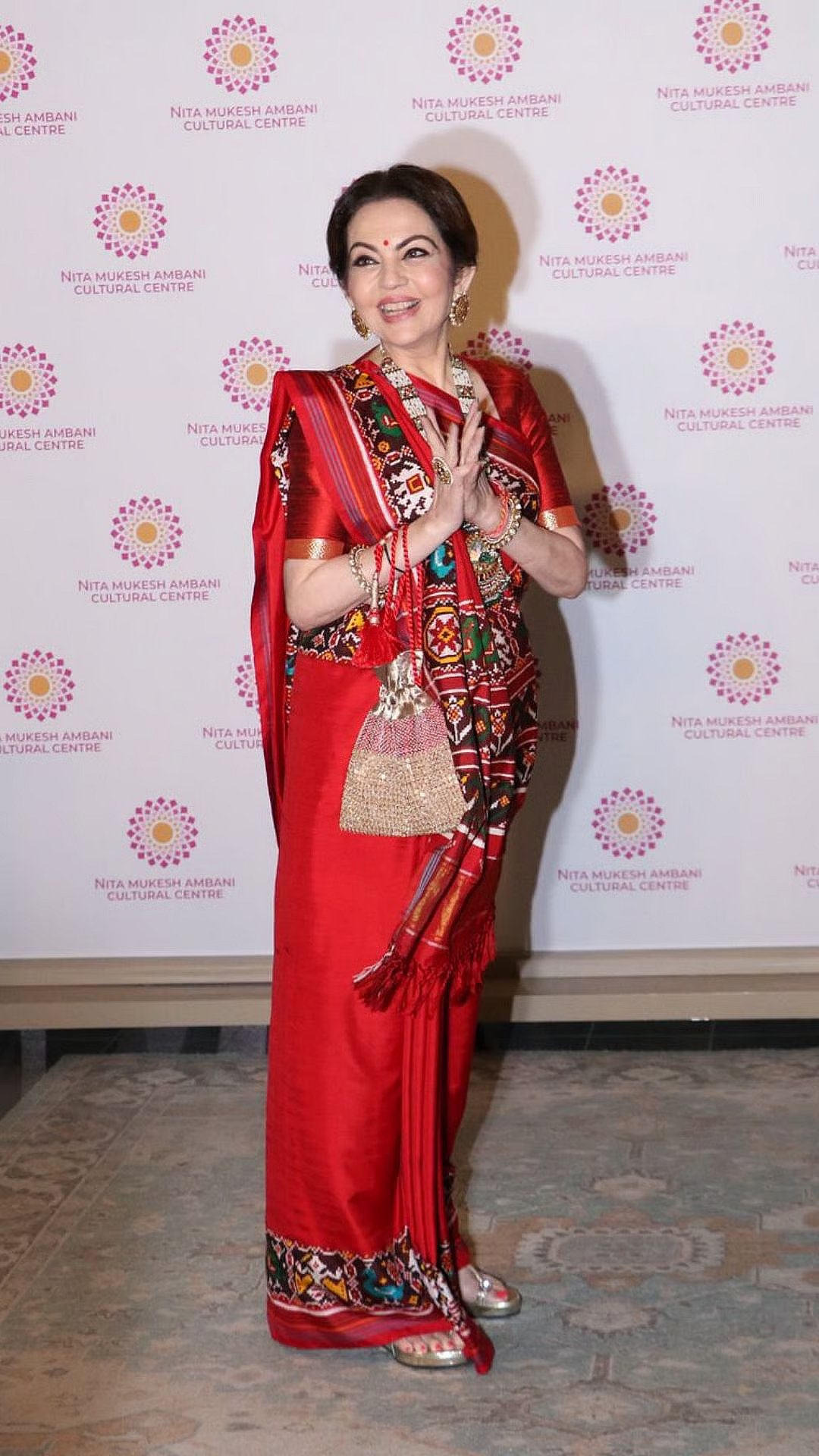
Time-honoured methods, labour-oriented double ikat woven silk from Patan, Patola spotlight themes like human/bird, betel leaf, gem stones, elephants, geometric patterns, and the designs are reversible. With a huge cultural significance, it forms a part of the bridal trousseau to ward off evil eye. The synergy of various elements creates a grand and dramatic saree. Bhujodi saree owes its name to its place of origin in Kutch. Kala cotton — a rare organic, rain-fed cotton native to this region, is generally on which the extra weft technique is hand-crafted in looms. Unevenness in weave with loose threads on the wrong side of the saree are some of the marks of handwoven sarees.
Chikankari & Banarasi–Uttar Pradesh
Believed to have been introduced by Noor Jehan, the wife of Mughal Emperor Jehangir, Chikankari is known for its white-on-white intricate trellis-like lace embroidery on muslin cloth. The embroidery incorporates shadow work, dots or knots, jaali, and keel kangan – a stitch engaged in floral or paisley motifs for a stylish silhouette. Hand-woven, Mughal-inspired designs in high quality silk, Banarasis are mostly worn for weddings and momentous occasions. The ultimate in luxury and tradition with intricate brocade work. Heavy to wear and expensive, each saree in gold and silver zari is a legacy to cherish.
Kanjeevaram –Tamil Nadu
Lalitaa
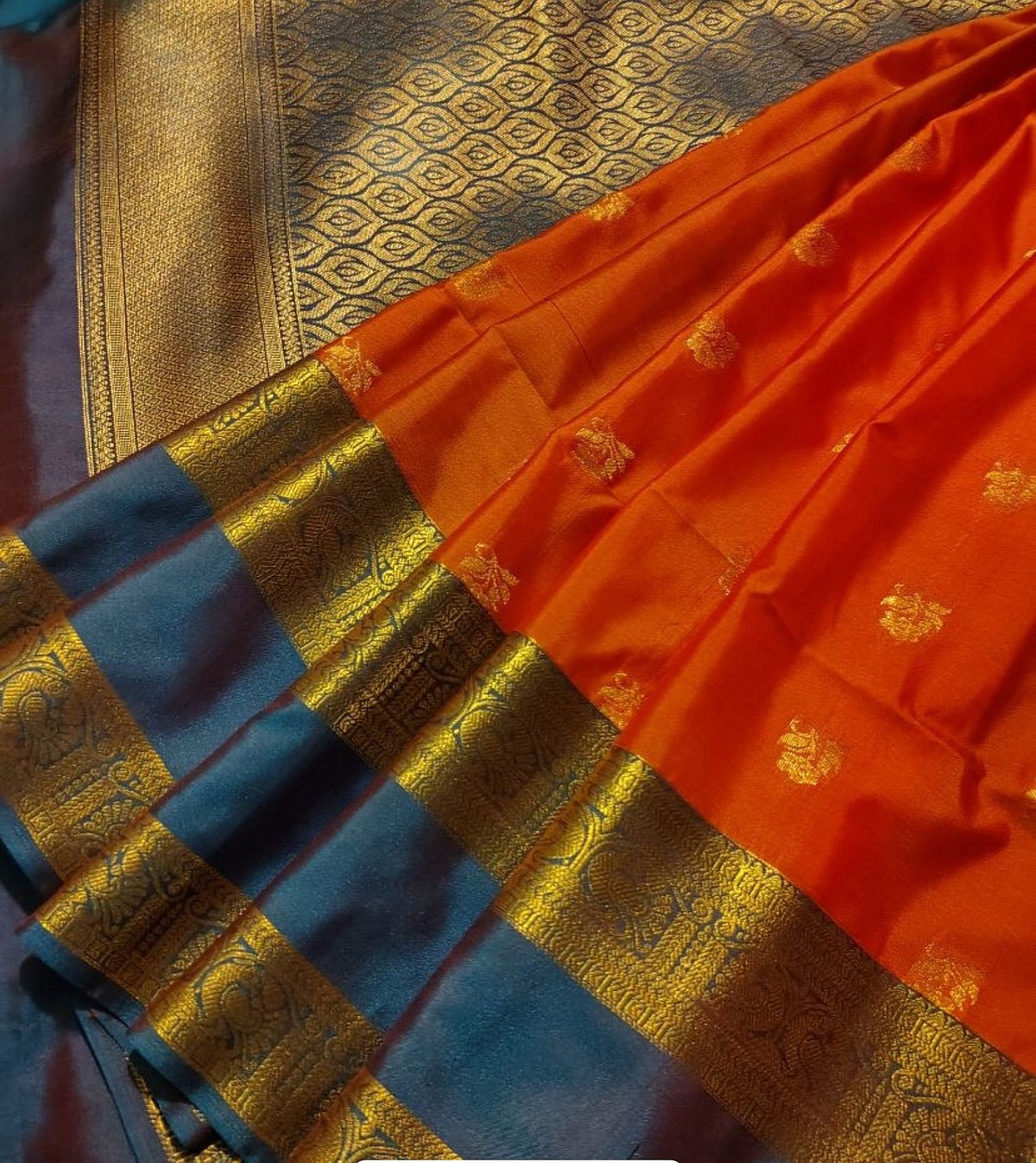
The refined sheen of heavy mulberry silk with signature temple borders in bright contrasting colours and pallu use peacock, parrot, swan, floral motifs, woven in timeless heirloom style. The seamless integration of ‘korvai’ technique and real silver/gold zari make it a prized possession, with a resale value. Worn for poojas, classical dance performances, weddings, it also comes in nine yards.
Baluchari, Kantha & Tant–West Bengal
The border and pallu draw inspiration from folklore, mythological stories in its elaborate weaves. Paisley and butti motifs are predominant. Meenakari Balucharis have threads in two or more colours to lend a luxurious vibrant feel and a distinctive cascade. Kantha work is hand-embroidered – uneven running stitch narrating tales of everyday life, folklore and nature. It adapts to casual and formal get-ups. Tant sarees, mostly worn by Bengali women, are woven from cotton threads. This everyday saree is breathable and feels light for home-wear.
Pochampally, Gadwal & Narayanpet-Telangana
Pochampally has complex patterns and geometrical ikat designs woven on silk and cotton. Gadwal with lightweight cotton body with silk pallu and borders, notable for its ‘kuttu’ or interlocked-weft method. Narayanpet is affordable, lightweight, and contrast colours.
Chanderi–Madhya Pradesh
Feathery and diaphanous, Chanderi saree a blend of cotton and silk, makes it a breathable and comfortable drape. The lustre in deep and earthy hues, with hand-woven zari work in gold, silver or copper exude a festive look.
Bomkai–Odisha
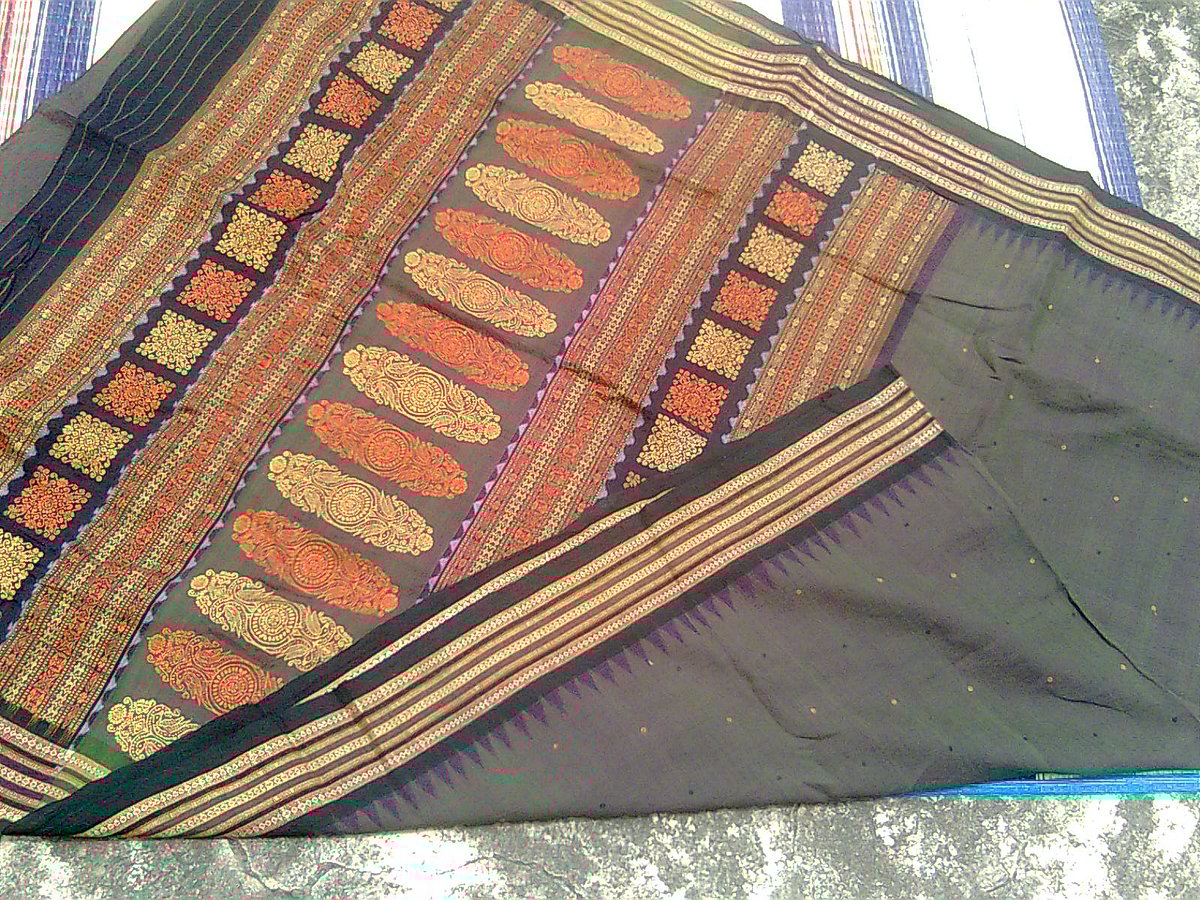
They can be usually identified through their plain body, contrast-coloured border and rich pallu. Ikat, embroidery and intricate thread work come together to create flowers, animals and geometric shapes for an aesthetic flow in silk or cotton.
Jamevar–Kashmir
With Tanchoi as the weaving technique (silk threads, dense patterns without cut at the back), each handcrafted saree in opulent silk is a labour-intensive outcome of exquisite Indian craftsmanship merging Persian influences.

Mysore Silk & Ilkal –Karnataka
Mysore silk sarees come in pleasant colours with a subtle sheen, are soft to the feel, with slim zari borders. Ilkal adopts the Topi Teni technique wherein the artistically woven silk pallu and cotton body are entwined seamlessly without knots.
Kalamkari, Dharmavaram, Uppada –Andhra Pradesh
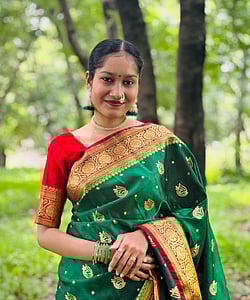
Fall in love with imperfection as stains, smudged dyes and kinked lines represent kalamkari prints. The dominant styles are hand-painted and block prints. Dharmavaram sarees are grand zari sarees for weddings and special occasions. Uppada pattu are lightweight, glossy, and elegant party wear.
Kasavu–Kerala
The simple grace of off-white with gold zari border in cotton or cotton-silk blend is usually offset with a contrasting bright coloured blouse, and typical Kerala jewelry for that festive look.
Gamcha–Bihar
The lesser-known variety in sarees, Gamcha typically displays checkered pattern in lightweight cotton, akin to gamcha towels. It is inexpensive, ideal for daily use, especially a summer wardrobe for its breezy texture. The checks pattern makes it easy to recognise a Gamcha.

